



Space Exploration Technologies Corp. Class A (SPCX)








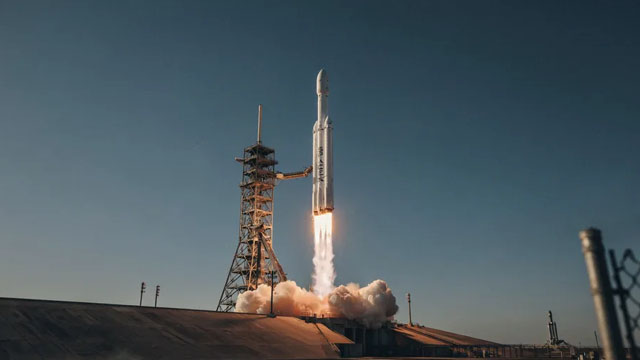
SpaceX's Possibilities Are Endless But It Is Still Too Early
SpaceX (SPCX) commands a lofty valuation, driven by the 'Musk Premium' and high institutional interest, but faces skepticism over fundamentals. Starship delays are a key overhang, as its successful deployment is critical for cost reductions, new satellite constellations, and future growth. Starlink drives 62% of revenue with rapid user growth, but ARPU is declining and gross margins are pressured by high D&A and launch costs.

Anthropic Is Worth Much Less Than SpaceX
Anthropic is a pure play in what appears to be the faltering AI space. At least SpaceX (NASDAQ: SPCX | SPCX Price Prediction) has a rocket and an internet division.
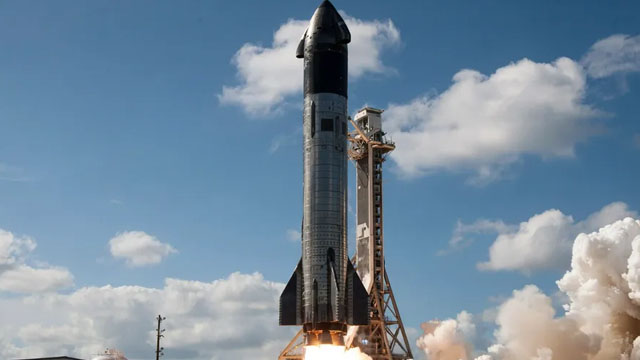
SpaceX Has Already Won More Than $8 Billion From Golden Dome. This Could Be Just the Beginning
SpaceX (NASDAQ:SPCX | SPCX Price Prediction) has reportedly locked in more than $8 billion in contracts tied to the Pentagon's Golden Dome missile-defense program, and by the accounting circulating in Washington, that gives the company roughly $8 billion.

There are six stocks that hedge funds and mutual funds are both overweight — and SpaceX is one
SpaceX, trading at 93 times next year's estimated earnings, seems hardly the stock to unite both short-term-focused hedge-fund managers and more long-term-oriented mutual-fund managers.

$500 invested in SpaceX stock 2 months ago is now worth
An investor who bought $500 worth of SpaceX (NASDAQ: SPCX) stock on June 23 would now be sitting on a loss, as shares have retreated significantly from their post-IPO highs.

Trading expert sets SpaceX stock price for Q1 2027
A trading expert has projected that SpaceX (NASDAQ: SPCX) stock is likely to trade near $300 in the first quarter of 2027, citing a bullish technical structure.
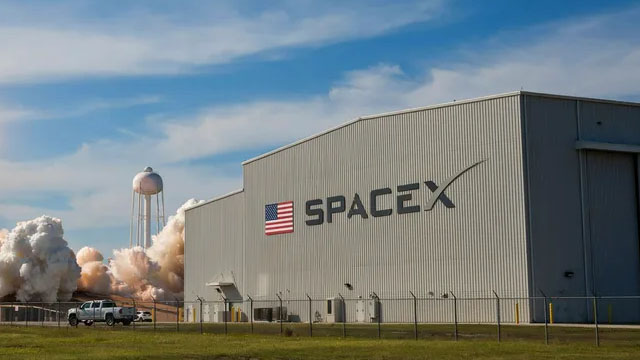
SpaceX stock rises as Starlink nears 11,000 satellites in orbit
SpaceX SPCX shares gained 1.4% on Friday as investors weighed the rapid expansion of its Starlink satellite network, upcoming share unlocks and the company's significant capital spending requirements. The stock had fallen 3% on Wednesday and declined 4.1% on Thursday as another 319 million shares held by employees, early investors and other insiders became eligible for trading.

DZ Bank Tells Clients To Sell SpaceX. Sees Stock Falling To $100.
DZ Bank initiated coverage of SpaceX with a Sell rating and a $100 price target on August 21, 2026.

$1,000 invested in SpaceX stock a month ago is now worth
If you invested $1,000 in SpaceX (NASDAQ: SPCX) stock a month ago, you would now be holding about $1,165, reflecting the space company's gain of about 16% in the same period.
SpaceX Is Racking Up Wins in Washington
The Elon Musk-led rocket and AI company is landing lucrative contracts and benefiting from the Trump administration's deregulatory push.
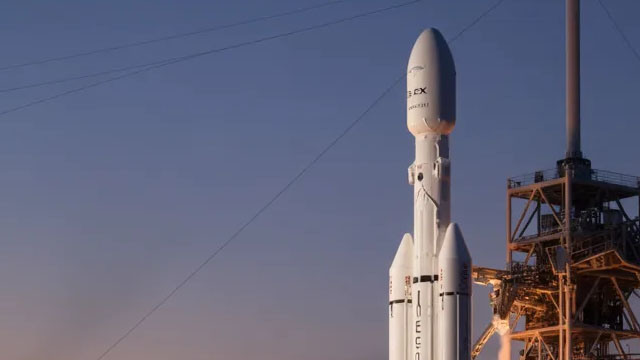
Why SpaceX stock is crashing around 5% on Thursday
SpaceX shares (SPCX) fell around 4.94% to $132.60 in early Thursday trading, pushing the stock below its $135 initial public offering price as another large batch of shares became eligible for sale. The decline comes after SpaceX defied expectations during its first major lockup expiration earlier this month, when more than 900 million shares became eligible for sale, but the stock instead rose sharply.

Great Eight? Why SpaceX Stock Isn't Like the Magnificent Seven.
Early in its life as a publicly traded company, SpaceX stock has shown little correlation with other large tech stocks.




