



Space Exploration Technologies Corp. Class A (SPCX)









Why SpaceX stock is crashing around 5% after a 3-day rally
SpaceX stock (SPCX) fell sharply on Tuesday after a three-day rally pushed the stock back above its $135 initial public offering price. The stock fell around 5% to $131.94 in afternoon trading.
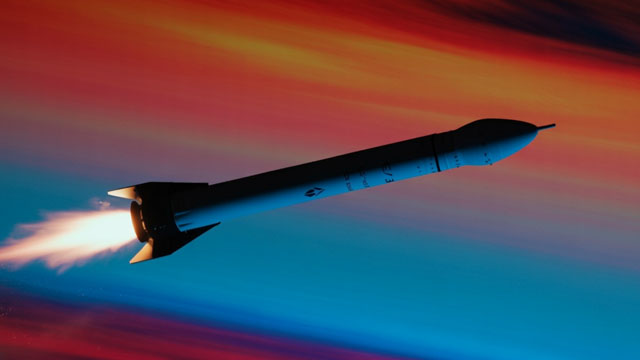
Beyond Space: AI Compute & Starlink Drive SpaceX Growth
Driven by explosive growth in non-traditional segments like AI compute hardware and Starlink, SpaceX is laying the groundwork for unprecedented scale.

AI sets date when SpaceX will surpass Amazon's market cap
A ChatGPT analysis projects that SpaceX (NASDAQ: SPCX) could surpass Amazon's (NASDAQ: AMZN) market cap between 2028 and 2030, driven by growth in its core businesses, including Starlink, artificial intelligence infrastructure, and space operations.
Wall Street Worried SpaceX Shares Would ‘Crash' Friday. They're up 21% Ever Since.
SpaceX (NASDAQ:SPCX | SPCX Price Prediction) went public in June 2026 and has been the talk of the town ever since.

SpaceX stock is soaring: is this a golden opportunity to buy?
SpaceX stock has rebounded substantially in the past few days as investors cheered the recent earnings and the employee lockup expiry. SPCX jumped to $138.63 on Monday, its highest level since July 14, and 31% above the lowest level this year.

Monster selling alert for SpaceX stock
A warning signal has emerged for SpaceX (NASDAQ: SPCX) stock after retail investors became net sellers for the first time since the company's June IPO.

Vietnam's VinSpace signs SpaceX launch deal for 2027
VinSpace, a unit of Vietnamese conglomerate Vingroup, has signed a launch contract with SpaceX for its satellite missions, the company said on Tuesday.

Up 26%, SpaceX Briefly Breaks Above IPO Price. Fundamental Turnaround or Short Squeeze?
Mega IPOs have a well-documented habit of disappointing early investors.


SpaceX Stock Posts Best Weekly Gain: Should You Tap It Via ETFs?
SpaceX stock surged 26% last week despite earnings concerns and a major share unlock. Here are ETFs offering diversified exposure.

SpaceX briefly reclaims IPO price: is the stock about to rocket?
Shares of Elon Musk's SpaceX (SPCX) rose on Monday, briefly returning to the company's $135 initial public offering price. The stock briefly touched $135 in early trading, marking a sharp rebound from the recent lows.

SpaceX stock rebounds to near $135 IPO price
Shares of Elon Musk's SpaceX popped on Monday, bringing the stock back near its $135 IPO price. Last week, SpaceX reported better-than-expected revenue in its first earnings report since the company debuted on the Nasdaq.




