



Space Exploration Technologies Corp. Class A (SPCX)









Here's What Analysts Are Saying About SpaceX: Earnings Report Sends Stock Down 9%
Some brokerages appeared optimistic about SpaceX's quarterly earnings: JPMorgan analysts, who lifted their price target for shares to $240 from $225, wrote SpaceX is benefiting from “extreme vertical integration” while noting its “pace of change in AI is incredibly fast,” and that a step-up in AI infrastructure and higher monetization could push SpaceX's AI revenue to $100 billion in 2027. Wells Fargo analysts cut their price target for SpaceX shares to $215 from $230 amid broader caution about its AI spending, noting that SpaceX was “off to an ambitious start” and that revenue projections for 2027 and 2028 were higher than expected, but so were capital expenditure estimates.
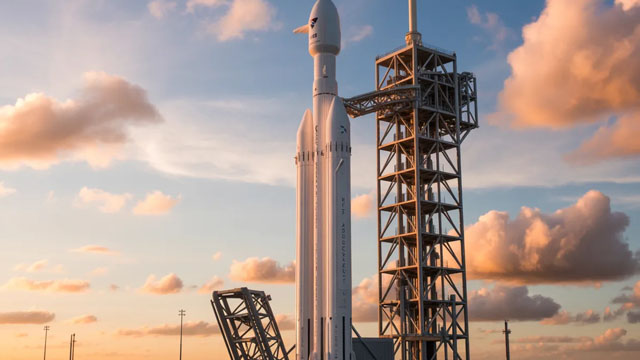
SpaceX posts strong revenue in first earnings report since IPO
SpaceX reported it lost more than half a billion dollars in its first quarterly report as a public company, but the loss was less than Wall Street expected and revenue soared.
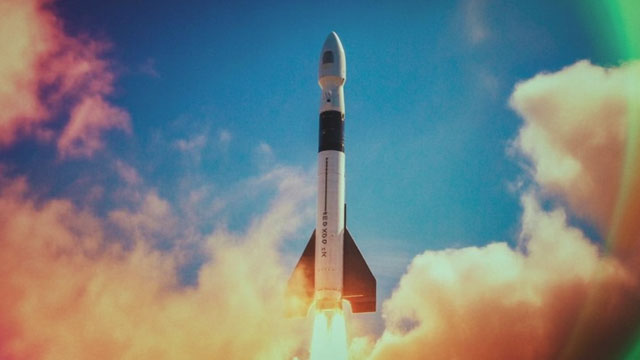
SpaceX Beats Q2 Earnings Estimates on AI Cloud and Starlink Growth
SPCX beats Q2 estimates as revenue surged 91.9%, fueled by AI cloud deals and Starlink growth, while heavy capex reshaped cash deployment.

SpaceX Is Tumbling Hard This Morning — It Could Fall a Lot More Tomorrow
The AI infrastructure race has turned into an arms race where investors reward growth right up until the bill comes due.
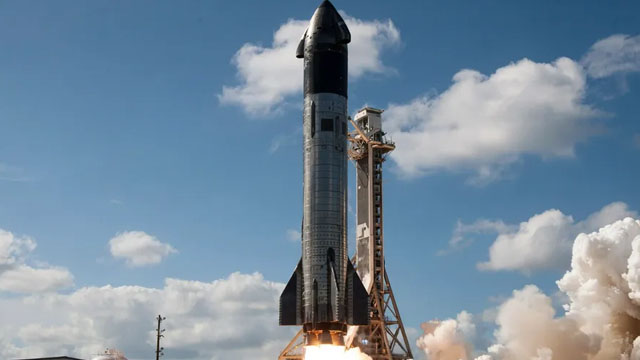
SpaceX shares tank 10% as jaw-dropping AI spending jump spooks investors
The stock fell to roughly $113.27 Wednesday morning – below its $135 IPO price and its roughly $200 all-time high that was hit shortly after its record-breaking market debut in June, which raised $86 billion.

SpaceX: Monster Cash Burn, Extreme Valuation
Space Exploration Technologies Corp., aka SpaceX, reported strong 90% revenue growth but remains unprofitable, with shares trading below IPO price. SPCX's Connectivity unit is profitable and growing, while Space and AI segments lose substantial money despite rapid AI revenue expansion. Cash burn accelerated to $16 billion in Q2, raising concerns about liquidity; current cash could be depleted within six quarters at this pace.

SpaceX Stock Is Back to Dropping After Earnings
Investors bought into the SpaceX story ahead of earnings. Now they're selling it again.

SpaceX Falls 10% on Soaring AI Costs as Other Space Stocks Hold Steady
Shares of SpaceX (NASDAQ:SPCX | SPCX Price Prediction) are falling 12% to $110 in early Wednesday trading, extending a rough stretch that has pushed the stock down more than 30% since its June IPO.

Elon Musk's 5 most noteworthy comments during SpaceX's first earnings call
Elon Musk was full of bold predictions for SpaceX's future on the company's first earnings call. Musk predicted annual revenue would hit $1 trillion by 2030, a year earlier than previously expected.

The SpaceX Selloff Makes No Sense
Space Exploration Technologies Corp. aka SpaceX is down 11% premarket despite strong Q2 revenue growth and improving EBITDA. SPCX's aggressive $18.4B capex, mainly for AI compute, and widening losses in AI and Space segments raised investor concerns. Management targets over 2GW compute by year-end and $100B annualized revenue run rate by December, supported by major cloud contracts.

SpaceX Beats Q2 Estimates, Shares Fall: ETFs in Focus
SpaceX beat Q2 estimates, but AI spending and a looming lockup expiry weighed on shares. Here are the ETFs with meaningful exposure to SPCX.
ChatGPT predicts Nvidia stock price after ‘exclusive' SpaceX deal
Judging by the stock's August 5 pre-market 1.80% rise, investors welcomed SpaceX's (NASDAQ: SPCX) decision to exclusively use Nvidia (NASDAQ: NVDA) chips because they are, as Elon Musk put it, ‘the best.'




