



The Wendy's Company (WEN)





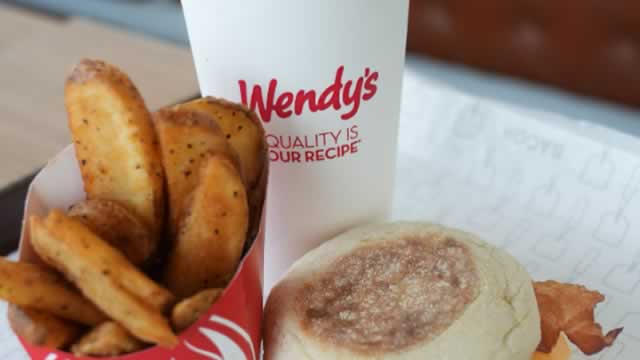
Wendy's loses status as second-largest burger chain after 6-year run
Burger King reclaimed the No. 2 U.S. burger chain spot from Wendy's after its revamped Whopper and multiyear turnaround drove same-store sales up 8.5%.
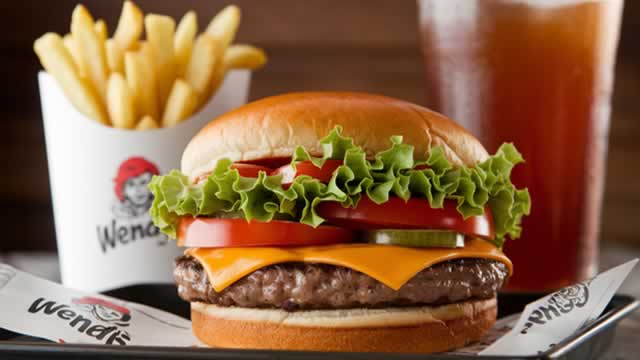
Here's why Wendy's is losing the burger wars
Wendy's new CEO is embarking on a turnaround initiative, while acknowledging that issues around food quality and service have turned customers away.

Wendy's: Huge Traffic Declines Are A Major Problem
Wendy's remains a sell as same restaurant sales decline and market share erodes versus peers. WEN's Q2 comps fell -3.6% in the U.S., with traffic down 12.5% and margins sharply deteriorating. Heavy debt ($2.76B) limits flexibility as WEN relies on new store openings for modest top-line growth.

The Wendy's Company (WEN) Q2 2026 Earnings Call Transcript
The Wendy's Company (WEN) Q2 2026 Earnings Call Transcript
Wendy's Q2 Earnings Call Highlights
Wendy's NASDAQ: WEN reported weaker second-quarter results as U.S. traffic declines, pressure on franchisee economics and what new Chief Executive Officer Bob Wright described as erosion in the brand's quality and value proposition weighed on performance.

Wendy's (WEN) Q2 Earnings: How Key Metrics Compare to Wall Street Estimates
Although the revenue and EPS for Wendy's (WEN) give a sense of how its business performed in the quarter ended June 2026, it might be worth considering how some key metrics compare with Wall Street estimates and the year-ago numbers.
Wendy's (WEN) Q2 Earnings and Revenues Beat Estimates
Wendy's (WEN) came out with quarterly earnings of $0.18 per share, beating the Zacks Consensus Estimate of $0.16 per share. This compares to earnings of $0.29 per share a year ago.

Wendy's Withdraws Outlook, Cuts Dividend as Turnaround Continues
Wendy's withdrew its guidance and cut its dividend, as it works to return to sales growth at its U.S. restaurants.

Wendy's Set to Report Q2 Earnings: What Should Investors Expect?
WEN heads into Q2 earnings with Project Fresh, digital initiatives and menu upgrades in focus as investors watch for traffic and margin trends.
Can Project Fresh Stabilize Wendy's EBITDA Amid Weak Traffic?
WEN targets EBITDA stabilization as Project Fresh, value offers and stronger execution aim to offset weak traffic and cost pressure.
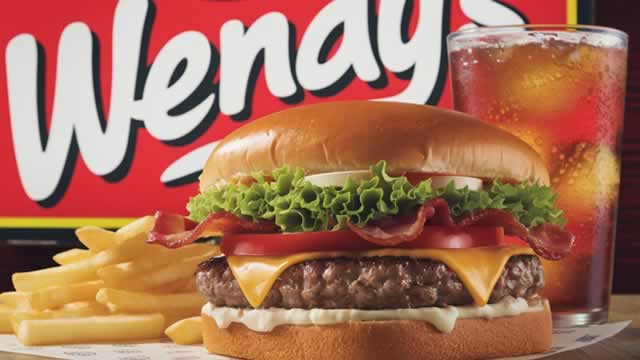
Can Wendy's Margin Pressure Ease as Turnaround Efforts Progress?
WEN is advancing Project Fresh, digital initiatives and menu upgrades as it works to improve margins despite cost pressures.
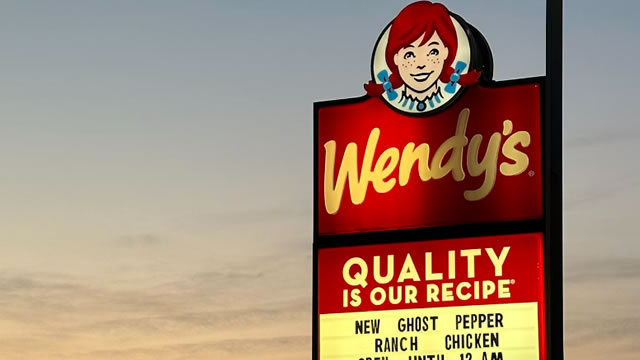
Can Wendy's Digital Sales Momentum Offset Weak Traffic?
WEN's is expanding digital sales, AI-powered ordering and menu innovation as it works to improve customer traffic.




