



Beyond Meat Inc. (BYND)











Beyond Meat Falls 11% on 1-for-30 Reverse Split Reaction, Oatly Slips
Beyond Meat (
Beyond Meat: Sell Until Financials Improve
Beyond Meat continues to underperform, with Q2 revenues down 8% year-over-year and persistent operating losses. BYND's Q3 revenue guidance of $60–$65 million was below street expectations, with no signs of revenue stabilization. Heavy cash burn persists, with working capital near multi-year lows and an accompanying 1-for-30 reverse split.
Beyond Meat's Reverse Split: What History Says Usually Happens Next
Although a reverse stock split is arithmetically a non-event, Wall Street has seen this movie enough times to know what the sequel usually looks like.
Beyond Meat shares collapse to all-time lows as the embattled company announces a reverse stock split
The stock price of Beyond Meat, Inc. (NASDAQ: BYND) is currently plunging in early-morning trading, with shares down nearly 20% as of the time of this writing, valuing them at just 41 cents apiece.

Beyond Meat, Inc. (BYND) Q2 2026 Earnings Call Transcript
Beyond Meat, Inc. (BYND) Q2 2026 Earnings Call Transcript
Beyond Meat (BYND) Reports Q2 Loss, Tops Revenue Estimates
Beyond Meat (BYND) came out with a quarterly loss of $0.09 per share versus the Zacks Consensus Estimate of a loss of $0.08. This compares to a loss of $0.43 per share a year ago.
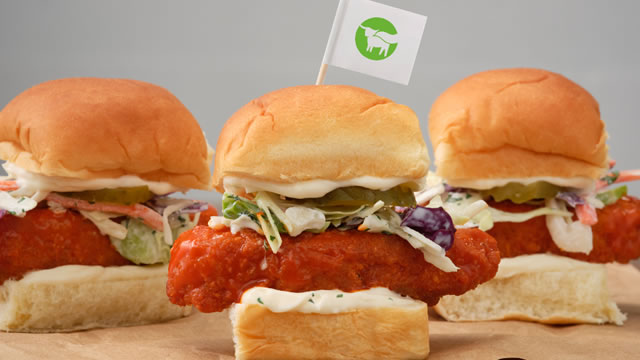
Beyond Meat Q2 Earnings Call Highlights
Beyond Meat NASDAQ: BYND reported second-quarter 2026 revenue above its guidance range as international retail growth partially offset continued weakness in U.S. channels and international food service. Management said the company is pursuing a turnaround centered on expanding in Europe and Canada, entering adjacent nutrition categories, and improving operating efficiency.

What Prediction Markets Say About 3 of America's Most At-Risk Brands
Prediction markets have become a real-time barometer for distressed consumer brands, and traders on Polymarket have historically been quick to list bankruptcy and delisting odds when a household name starts trading below $10.
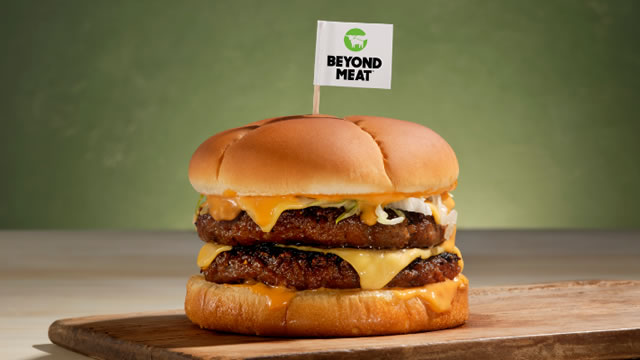
Beyond Meat Expands Steak Filet Reach as Turnaround Efforts Continue
Beyond Meat expands Beyond Steak Filet to Meijer as it uses innovation, distribution gains and cost actions to support its retail turnaround.
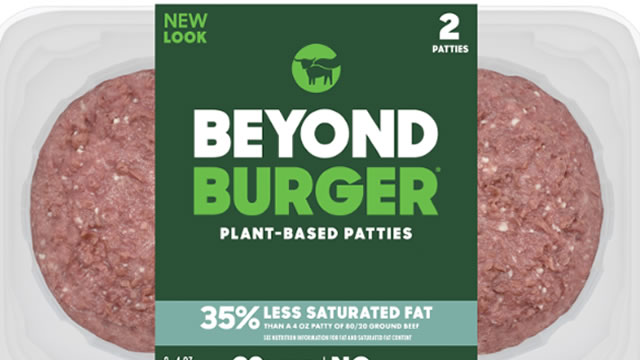
How Is Beyond Meat Expanding Its Retail Distribution Strategy?
BYND is expanding retail distribution with a new plant-based steak product, moving it into major grocery chains after strong DTC demand.
Natural Food Stocks Gain From Health and Sustainability Trends
Beyond Meat, Sprouts Farmers and United Natural Foods are in focus as health-conscious consumers fuel demand for organic, clean-label and ethically sourced foods.
Beyond Meat: Continued Disappointment
Beyond Meat continues to struggle with declining revenues, net losses, and heavy dilution. Q1 revenue fell 15.3% year-over-year to $58.2 million, with volumes down 19.5% and Q2 guidance missing Street expectations, signaling ongoing operational weakness. BYND's cash burn improved to $7.5 million in Q1, but working capital eroded, and debt-for-equity swaps have massively diluted shareholders, with shares outstanding rising from 77 million to 515 million in a year.




