



Carnival Corporation Ltd. (CCL)








Here's Why Carnival (CCL) Fell More Than Broader Market
In the latest trading session, Carnival (CCL) closed at $23.2, marking a -1.32% move from the previous day.

Will Carnival (CCL) Beat Estimates Again in Its Next Earnings Report?
Carnival (CCL) has an impressive earnings surprise history and currently possesses the right combination of the two key ingredients for a likely beat in its next quarterly report.
Carnival (CCL) Sees a More Significant Dip Than Broader Market: Some Facts to Know
The latest trading day saw Carnival (CCL) settling at $23.89, representing a -3.51% change from its previous close.
Carnival Corporation: This Cruise Is Cheap Enough To Hop On
Carnival Corporation is rated a solid "Buy" due to robust post-pandemic growth, improving leverage, and attractive valuation metrics. CCL has expanded passenger capacity and expects a further 13.9% increase with seven new ships by 2033, reinforcing its industry leadership. Net debt has declined from $28.16 billion in 2023 to $22.65 billion by mid-2026, with a projected net leverage ratio as low as 2.80 by year-end.

Carnival (CCL) Laps the Stock Market: Here's Why
Carnival (CCL) reached $26.14 at the closing of the latest trading day, reflecting a +1.67% change compared to its last close.

Norwegian Cruise Line Drops 5%, Carnival Falls 4%, Royal Caribbean Slips 3% as Oil Climbs
Cruise operators are falling in step with rising crude oil, a rare case where a same-day macro move maps straight to an operating cost line.
Carnival (CCL) Stock Drops Despite Market Gains: Important Facts to Note
Carnival (CCL) closed the most recent trading day at $26.69, moving 2.15% from the previous trading session.
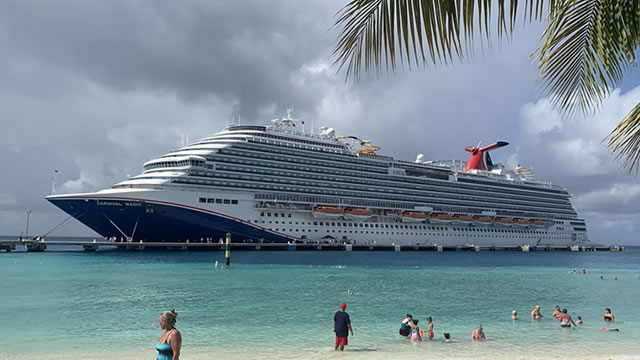
Carnival (CCL) Outperforms Broader Market: What You Need to Know
The latest trading day saw Carnival (CCL) settling at $28.42, representing a +2.71% change from its previous close.
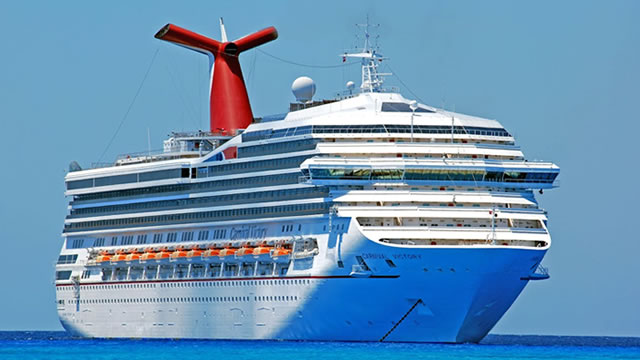
Is Carnival (CCL) a Buy as Wall Street Analysts Look Optimistic?
When deciding whether to buy, sell, or hold a stock, investors often rely on analyst recommendations. Media reports about rating changes by these brokerage-firm-employed (or sell-side) analysts often influence a stock's price, but are they really important?

Carnival vs. Royal Caribbean: Which Cruise Stock Looks More Promising?
CCL and RCL are benefiting from resilient cruise demand, premium offerings and strong bookings as investors compare their growth outlooks.
Here is What to Know Beyond Why Carnival Corporation (CCL) is a Trending Stock
Carnival (CCL) has been one of the stocks most watched by Zacks.com users lately. So, it is worth exploring what lies ahead for the stock.

Carnival: The Market Is Still Looking At The Recovery
Carnival has transitioned from recovery to growth, posting record revenue, net yields, EBITDA, and customer deposits. CCL's forward EPS growth is driven by high pricing, advanced bookings, own-destination monetization, cost control, and capital returns. At $26, CCL trades at 11.7x 2026 EPS and 8.2x EV/EBITDA, offering attractive upside but remaining exposed to debt and cyclical risks.




