



Nasdaq, Inc. (NDAQ)








S&P 500 And Nasdaq Hit 2025 Lows As Trump's Tariffs Take Effect—Tesla Stock Leads Losers
Stocks dropped again Tuesday as President Donald Trump's tariffs sparked queasiness on Wall Street, and leading the stock market woes were shares of Tesla, the electric vehicle firm run by Trump's top lieutenant Elon Musk, also the world's richest man.

Nasdaq to power Wall Street ahead as March trading begins, bitcoin up on Trump reserve order
US stock indexes are tipped to head higher on the first trading day of March, led by the tech-powered Nasdaq. S&P 500 futures pointed to a 0.5% rise, with Nasdaq 100 futures rising 0.7% and those for the Dow Jones up 0.35%.

Wall Street legend says US stocks are in a bubble: 3 Nasdaq 100 shares to sell
The Nasdaq 100 index surged to a record high of $22,220 in February and then suffered a harsh reversal to a low of $20,500 last week. This retreat happened as concerns about Donald Trump's tariffs and after NVIDIA published mixed financial results.

Nasdaq Jumps 300 Points As Nvidia, Tesla Stocks Surge: Investor Sentiment Improves, But Greed Index Remains In 'Extreme Fear' Zone
The CNN Money Fear and Greed index showed some improvement in the overall market sentiment, while the index remained in the “Extreme Fear” zone on Friday.

3 Tech Stocks I'm Buying if the Nasdaq Enters a Correction
Feb. 27 was a brutal day for tech stocks.

Why Is Nasdaq (NDAQ) Down 1.8% Since Last Earnings Report?
Nasdaq (NDAQ) reported earnings 30 days ago. What's next for the stock?

The ‘bro bubble' is bursting, says Bank of America strategist. Here are the key levels to watch for the Nasdaq, Palantir and more.
The so-called ‘bro bubble' — the testosterone-fueled rally in cryptocurrencies and other speculative tech stocks — is popping, and one strategist identifies the key lines in the sand for closely watched assets.
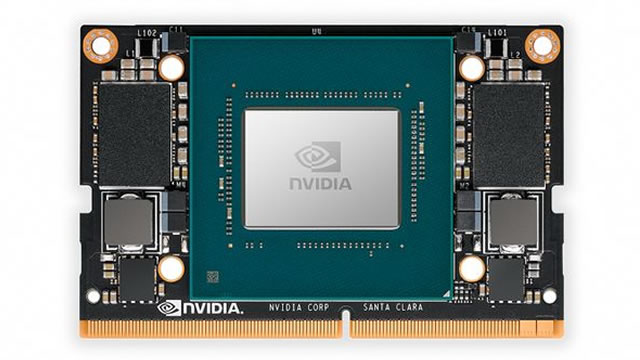
Nasdaq Tumbles Over 500 Points As Nvidia Plunges Post Q4 Results: Investor Sentiment Declines Further, Greed Index Remains In 'Extreme Fear' Zone
The CNN Money Fear and Greed index showed further decline in the overall market sentiment, while the index remained in the “Extreme Fear” zone on Thursday.
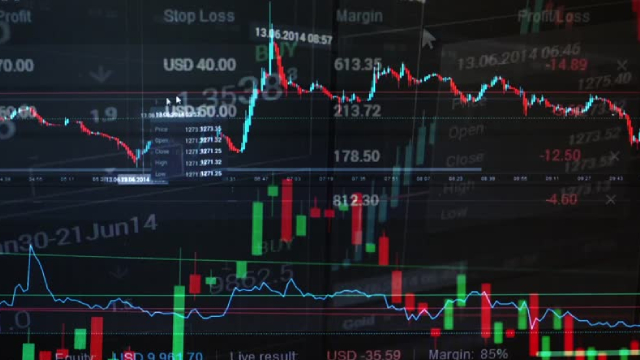
Nasdaq, S&P 500 sell-off as Nvidia sinks 8%, Trump reiterates tariff plans
To get the latest market news, check out finance.yahoo.com Stocks plummeted on Thursday as tech sold off following Nvidia's (NVDA) latest earnings report while investors took stock of the economy amid President Trump's latest tariff pledges. The S&P 500 (^GSPC) fell more than 1.6%, while the tech-heavy Nasdaq Composite (^IXIC) dropped 2.8%.
Live Updates: Nasdaq Composite Falls After NVDA Earnings
On the heels of Nvidia's (Nasdaq: NVDA) Q4 earnings beat, technology stocks have turned negative, including a nearly 1% drop in the Nasdaq Composite in a tariff-related sell-off.
Nasdaq set to climb as investors mull Nvidia earnings and Trump's tariffs confirmation
US stocks were tipped to start higher on Thursday, helped by a positive premarket pivot from Nvidia Corp (NASDAQ:NVDA) as investors continued to chew over its overnight earnings release. As a result of the chipmaker's 2.5% premarket gain, futures were indicating the Nasdaq 100 would rise 0.8%, with S&P 500 futures up 0.7% and those for the Dow Jones up 0.3%.

Nasdaq Surges 150 Points; Lowe's Posts Upbeat Earnings
U.S. stocks traded mostly higher midway through trading, with the Nasdaq Composite gaining around 150 points on Wednesday.




