Drawdown is a term every investor encounters but few fully grasp beyond the immediate emotion it evokes. It refers to the decline from a portfolio's peak value to its lowest point over a certain period. While the concept is straightforward, the experience of a drawdown often triggers anxiety and doubt, especially during volatile markets. Understanding what drawdown truly means for portfolio management and risk assessment is essential for any serious investor seeking to build resilience and achieve long-term financial goals.
The Emotional Impact of Drawdowns
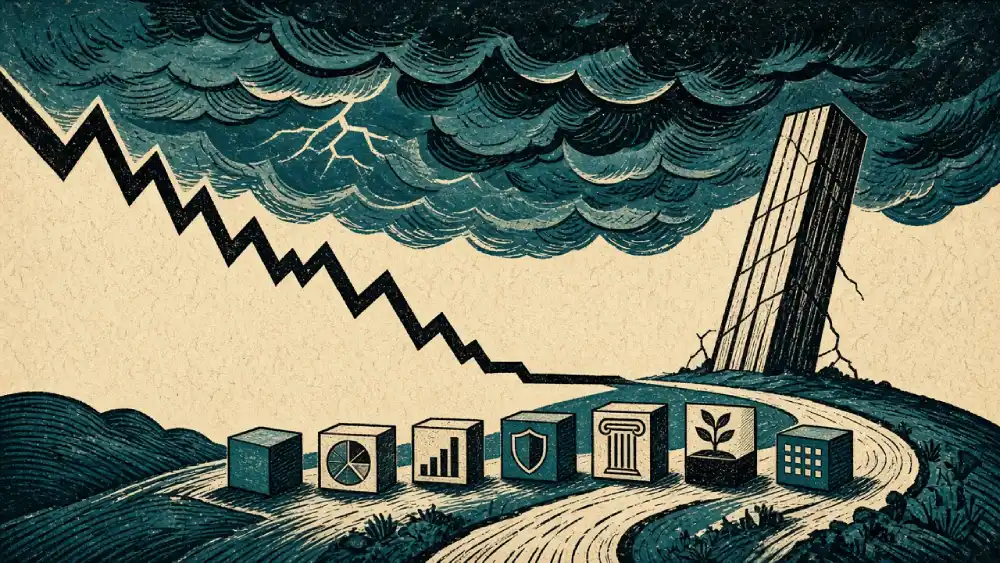
Experiencing a drawdown can feel like a setback or even a failure. For many investors, watching account values fall below previous highs stirs worry about permanent losses and financial security. This emotional response is natural but can cloud judgment and lead to irrational decision-making. Investors may be tempted to sell holdings prematurely or abandon strategies that require patience and resilience, potentially locking in losses unnecessarily.
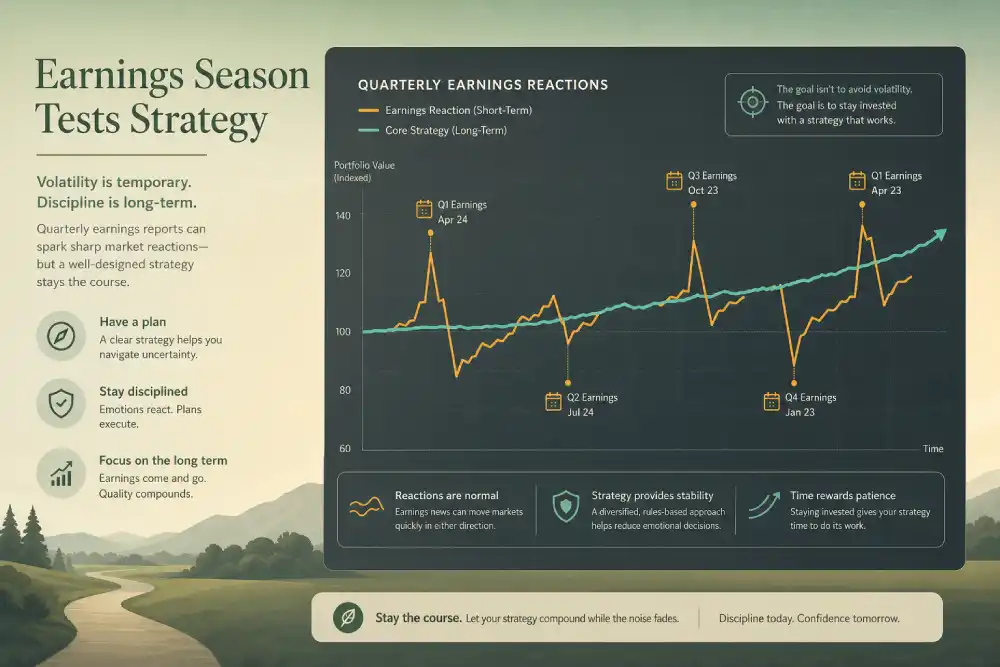
Recognizing that drawdowns are an inherent part of investing helps maintain discipline and avoid impulsive decisions driven by fear. It is important to understand that markets historically move in cycles, and downturns, while uncomfortable, often precede recoveries. This perspective fosters emotional resilience and supports adherence to well-considered investment plans, which are critical for navigating the inevitable ups and downs of the market.
Drawdown in the Context of Risk Management
From a risk management perspective, drawdowns provide a clear and tangible metric to evaluate the downside exposure of a portfolio. Unlike volatility measures that focus on statistical fluctuations, drawdowns highlight actual losses experienced during market downturns. This distinction is crucial because it reflects the real impact on capital and investor psychology, not just theoretical variability.
Effective portfolio management involves setting acceptable drawdown limits and constructing diversified allocations to mitigate severe drops. This may include balancing exposure across different asset classes, sectors, and geographic regions to reduce vulnerability to any single market event. By understanding historical drawdown patterns, investors can tailor their risk tolerance and design portfolios better suited to their financial goals and emotional comfort levels.
Investors often overlook how drawdown magnitude and duration influence recovery prospects. A shallow but prolonged drawdown may erode confidence over time, leading to second-guessing and potential changes in strategy. In contrast, a sharp but brief drawdown can be easier to weather psychologically if investors are prepared for short-term volatility. Monitoring drawdowns allows for better stress testing and scenario planning, which are vital in volatile markets and can help investors maintain a steady course through uncertainty.
Drawdown vs. Market Volatility
Market volatility represents price fluctuations over time, commonly measured by standard deviation or the VIX index. While volatility quantifies how much prices move, drawdown captures the peak-to-trough decline and the actual loss incurred. High volatility does not always result in significant drawdowns if the portfolio is well diversified or hedged. Conversely, a sudden market crash can cause a steep drawdown despite relatively low average volatility.
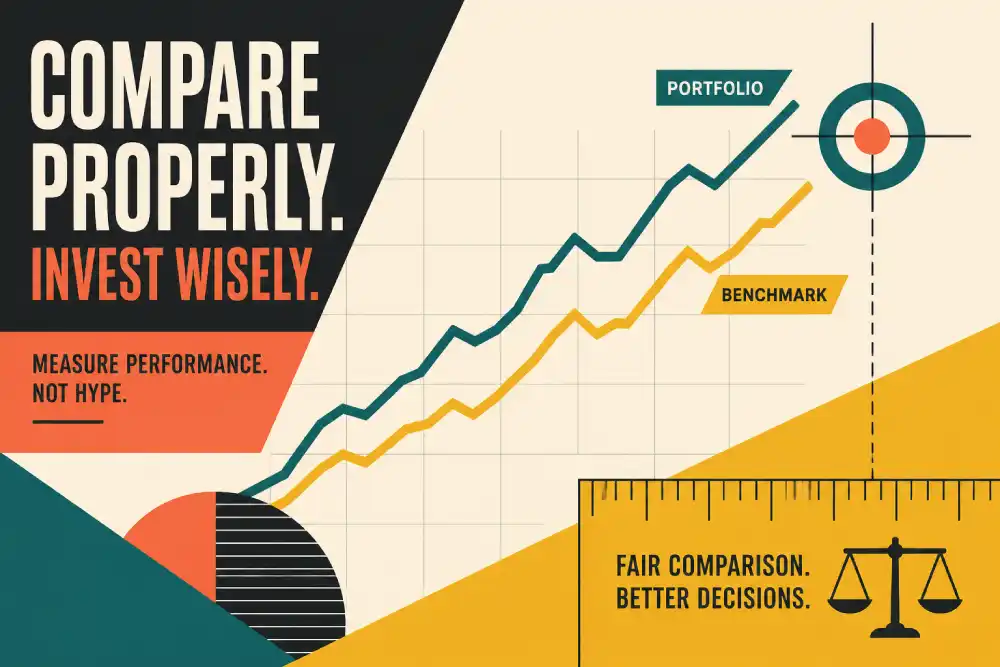
This distinction clarifies why investors should not rely solely on volatility metrics when assessing risk. Volatility may overstate risk during stable periods and understate it during extreme events. Instead, incorporating drawdown analysis offers a more comprehensive view of how portfolios behave under stress and what investors might actually lose in adverse conditions. This approach aligns with prudent Portfolio tracking practices that include evaluating multiple risk dimensions to gain a fuller understanding of potential portfolio vulnerabilities.
What Drawdowns Mean for Portfolio Management
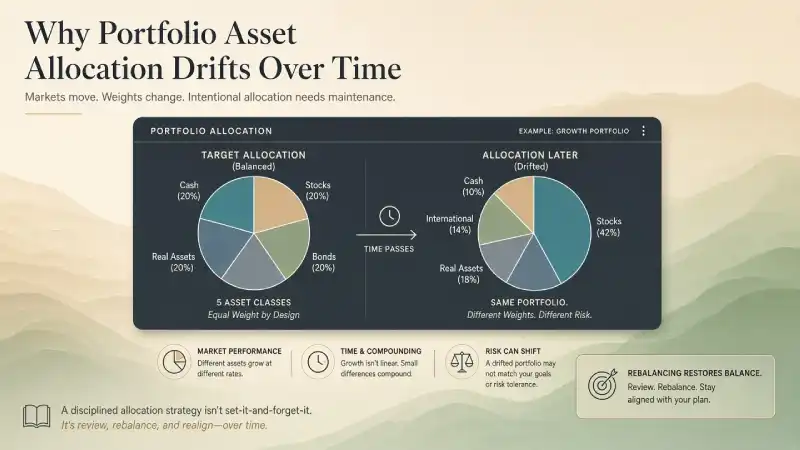
Drawdown analysis plays a critical role in informing portfolio construction decisions. Understanding the historical drawdowns of individual assets and the overall portfolio guides allocation choices and risk tolerance calibration. For example, a portfolio heavily weighted in high-beta stocks may experience larger drawdowns compared to one with a mix of bonds, cash, and alternative assets that provide diversification benefits.
Experienced investors use drawdown data to define stop-loss thresholds and rebalance timing. They recognize that some drawdowns are temporary and part of normal market cycles, while others may signal structural changes requiring action to protect capital. This nuanced view prevents overreaction and supports long-term investment objectives by balancing risk control with growth opportunities.
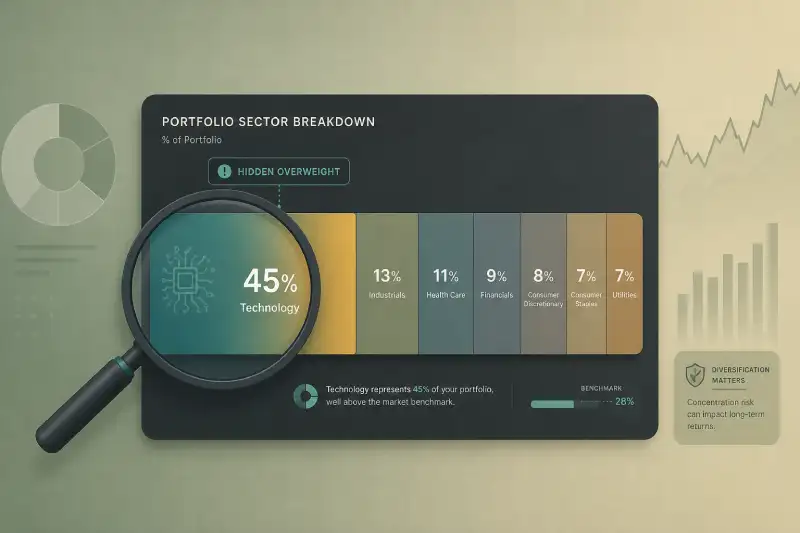
In addition, drawdown insights help investors avoid pitfalls such as overconcentration in risky assets or leveraging positions beyond comfort levels. By integrating drawdown considerations into portfolio management, investors can build strategies that are more resilient to market shocks and align better with their financial plans.
Recovery After a Drawdown
Recovering from a drawdown requires gains that exceed the percentage lost. For example, a 20% drawdown demands a 25% gain to return to the original portfolio value. This asymmetry makes large drawdowns costly and emphasizes the importance of managing drawdown magnitude proactively to preserve capital and reduce recovery time.
Investors who understand this dynamic tend to avoid chasing returns aggressively after losses, which can lead to increased risk-taking and potential further drawdowns. Instead, they focus on consistent strategies and disciplined my portfolio monitoring to navigate recovery periods effectively. Such an approach helps maintain steady progress toward financial goals even in challenging market environments.
Moreover, recovery strategies may include rebalancing portfolios to restore intended risk exposures, adding new capital during market dips, or adjusting asset allocations to reflect changing economic conditions. Maintaining a long-term perspective and avoiding emotional reactions remains key throughout the recovery process.
Integrating Drawdown Awareness Into Investment Strategy
Incorporating drawdown awareness into the investment process enhances decision-making and risk management. It prompts investors to ask critical questions: What is the maximum acceptable drawdown? How does the current market environment affect drawdown risk? Are portfolio holdings aligned with risk tolerance and investment horizon?
Regularly reviewing drawdown statistics alongside performance metrics ensures a balanced perspective on risk and reward. This practice complements other analyses such as Realized vs Unrealized Gains: Why the Difference Matters and What “Portfolio Weight” Really Shows About Risk. Together, these insights form a comprehensive framework for managing risk, setting realistic expectations, and fostering disciplined investment behavior.
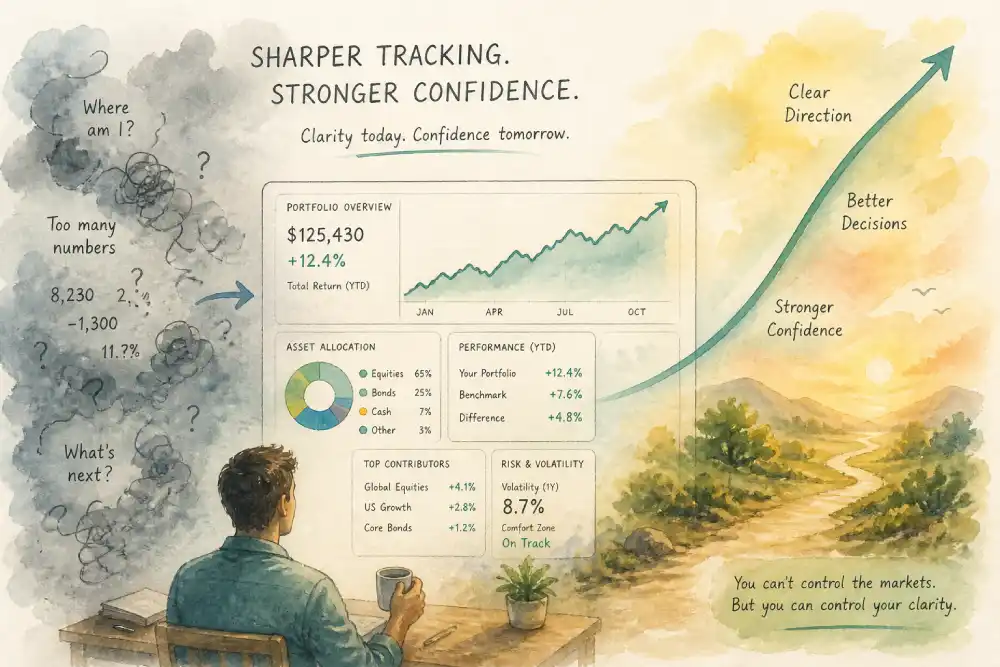
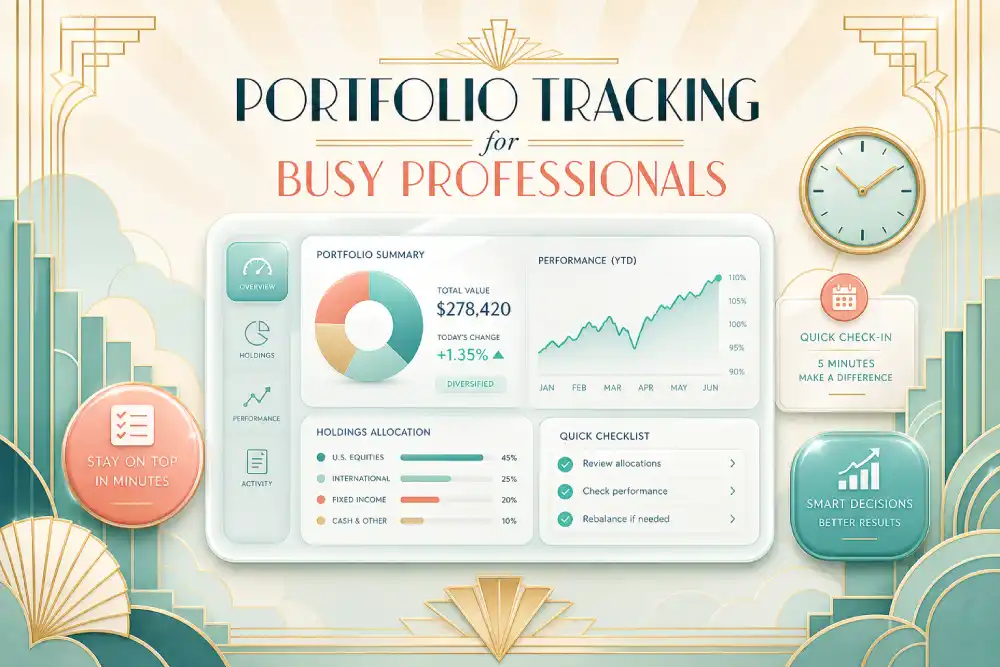
Additionally, integrating drawdown metrics into Portfolio tracking tools allows investors to monitor exposures dynamically and adjust strategies proactively. This ongoing vigilance supports better alignment with financial goals and helps avoid unpleasant surprises during turbulent markets.
Conclusion
Drawdowns are an unavoidable reality of investing. While they can provoke discomfort and challenge investor resolve, understanding their meaning and implications equips investors to respond rationally rather than emotionally. Effective risk management, informed portfolio construction, and disciplined monitoring are key to navigating drawdowns successfully and minimizing their long-term impact.
By appreciating what drawdown truly represents, investors can maintain perspective during downturns, protect capital, and position themselves for long-term growth. For those interested in tools that assist with detailed performance and risk analysis, exploring advanced Portfolio tracking solutions can provide valuable support. Such platforms enable comprehensive insights into portfolio behavior, including drawdown trends, helping investors make informed decisions with confidence.