Inflation is commonly referenced in economic discussions as a headline figure influencing the broader economy, but its nuanced effects on portfolio allocation often go unnoticed. Investors who fail to adjust their asset distribution in response to inflationary pressures may inadvertently experience shifts in their intended risk and return profile without making explicit changes. Recognizing how inflation silently alters allocation is crucial for maintaining a disciplined and effective investment strategy over extended periods.
The Invisible Shift in Asset Allocation
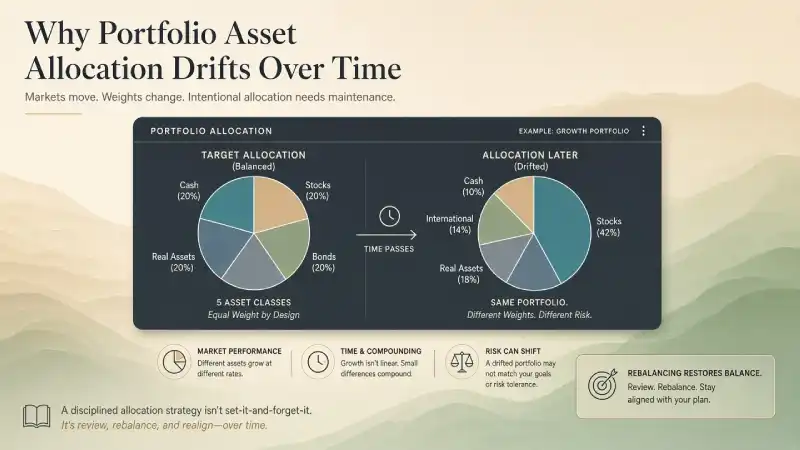
Portfolio allocation is fundamentally established based on an investor’s financial objectives, risk tolerance, and perspective on market conditions. While it is inherently a dynamic process, adjustments tend to occur primarily when market movements are conspicuous or when new capital is introduced. Inflation, however, operates quietly in the background, gradually eroding purchasing power and modifying the real returns across various asset classes. This subtle erosion can result in the real weight and expected performance of assets deviating from the initial strategic assumptions.
For example, fixed income securities, particularly those offering nominal yields, become less attractive as inflation rises because their real yields decline. This means their effective contribution to portfolio growth and income diminishes, even if their nominal allocation remains unchanged. Meanwhile, equities and real assets may become relatively more appealing. Nevertheless, delays in adjusting allocations can expose portfolios to unintended risks and misalignments with investor goals.
Inflation’s Impact on Risk Management
Effective risk management depends on a clear understanding of how assets behave under varying economic conditions. Inflation introduces distinct risks that can subtly alter the overall risk profile of a portfolio. Typically, rising inflation leads to higher interest rates, which in turn negatively affect bond prices. Concurrently, inflation can generate volatility in equity markets as companies confront increased input costs and unpredictable consumer demand patterns.
Investors who neglect to recalibrate their allocations may find that bonds, historically a stable element of their holdings, transform into sources of risk. Portfolios can become increasingly sensitive to inflation surprises, especially if a significant portion is allocated to nominal bonds. This sensitivity is not always apparent when examining only the portfolio’s nominal allocation chart, highlighting the importance of a deeper understanding of what the allocation chart really shows.
Reassessing Equity Exposure During Inflationary Periods
Equities have traditionally been regarded as a hedge against inflation, largely because companies often possess the ability to pass rising costs onto consumers. However, it is important to note that not all stocks perform uniformly in inflationary environments. Certain sectors, such as consumer staples, energy, and materials, tend to hold up better, whereas technology and growth-oriented sectors may experience headwinds due to higher discount rates applied to projected earnings.
Active assessment of equity exposure becomes essential during periods of inflation. Investors should closely examine sector weightings and specific stock characteristics to ensure their portfolio aligns with prevailing inflation expectations. Relying solely on broad market indexes without this nuanced analysis can lead to unintended concentration risks. This concern is particularly relevant when considering the danger of one hero stock unduly dominating portfolio performance amid changing economic conditions.
Real Assets and Inflation Protection
Real assets, including real estate, commodities, and inflation-protected securities, generally perform better during inflationary periods. Incorporating these assets into a portfolio can serve as a natural hedge, helping to preserve purchasing power. However, allocating to real assets requires thoughtful consideration to balance factors such as liquidity, volatility, and correlation with other holdings.
Investments in real assets should not be treated as fixed allocations. Inflation dynamics can evolve, influencing the real return characteristics of these assets. For example, real estate may come under pressure if inflation leads to rising interest rates, which increase borrowing costs. Consequently, ongoing monitoring and timely adjustments are necessary to maintain effective inflation protection within the portfolio.
The Role of Portfolio Tracking in Inflation Management
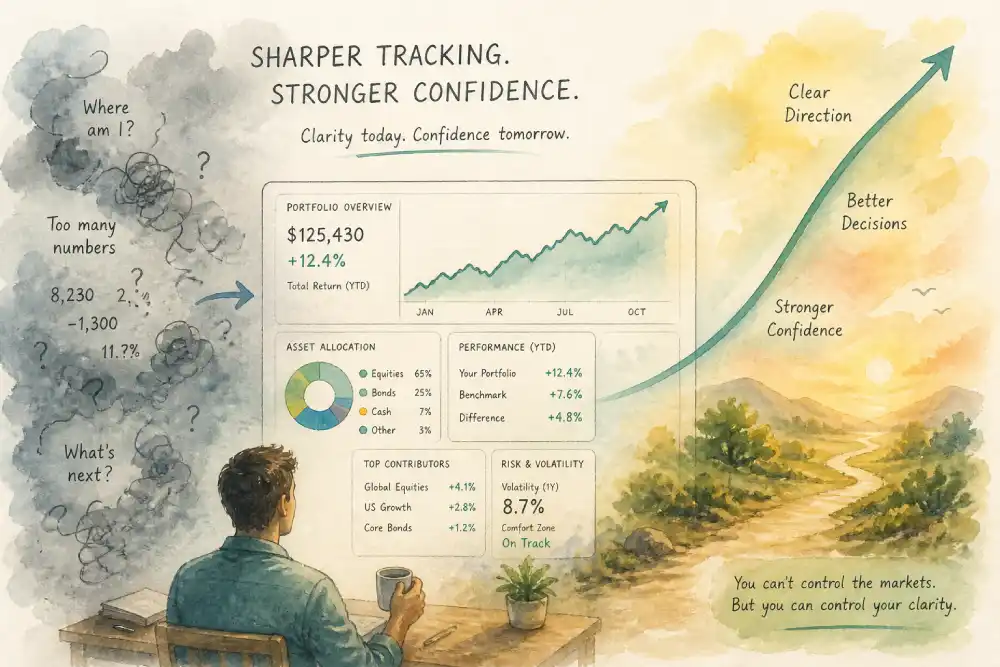
Managing the subtle allocation shifts caused by inflation demands robust tools for monitoring portfolio composition and performance. Portfolio tracking platforms that offer real-time insights into asset weightings, sector exposures, and risk metrics empower investors to identify and respond to the quiet changes inflation brings.
Regular portfolio reviews using these tools facilitate timely rebalancing, ensuring that the investment strategy remains aligned with both objectives and risk tolerance. Without disciplined tracking, the cumulative effects of inflation can go unnoticed, resulting in misaligned allocations and exposure to unexpected risks over time.
Practical Steps to Adjust Allocation for Inflation
- Review Fixed Income Exposure: Consider reducing allocations to nominal bonds or replacing them with inflation-linked bonds to help preserve real income streams.
- Evaluate Equity Sector Weightings: Shift exposure towards sectors that historically perform well during inflation, such as energy and materials, while being cautious with sectors more vulnerable to rising rates.
- Incorporate Real Assets: Allocate portions of the portfolio to real estate investment trusts (REITs), commodities, or inflation-protected securities as effective hedges against inflationary pressures.
- Use Portfolio Tracking Tools: Leverage advanced tracking platforms for continuous monitoring and disciplined rebalancing, preventing drift from target allocations.
Broader Considerations for Inflation-Aware Investing
Beyond allocation adjustments, investors should consider how inflation interacts with broader market dynamics and their personal investment horizon. For instance, understanding the first time comparing oneself to the market can illuminate how inflation impacts relative portfolio performance. Similarly, insights into what portfolio weight really shows about risk can help in interpreting how inflation-induced changes influence risk concentration.
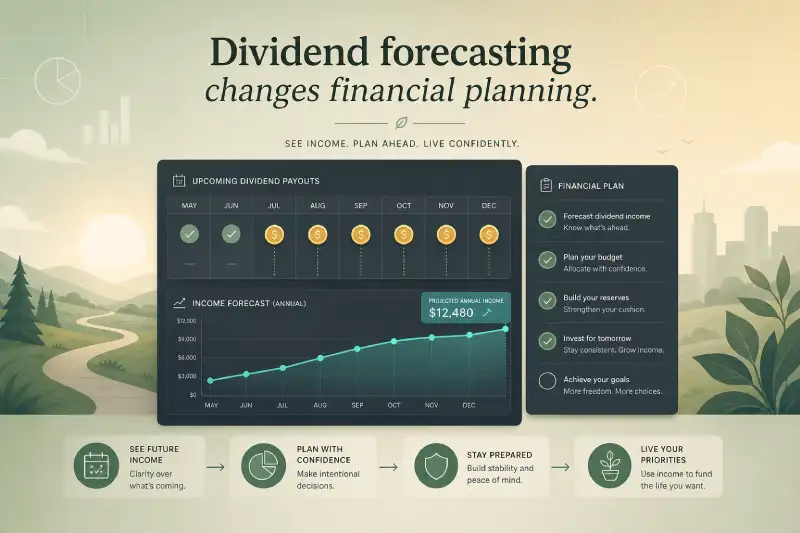
Furthermore, inflation can affect dividend income, making it important to recognize when dividend income looks better than it is. Investors must also stay informed about market trading dynamics, as what happens to your portfolio during market hours and what trading hours mean for global portfolios can play roles in portfolio performance during inflationary cycles.
Understanding the infrastructure underlying markets, such as the NYSE, NASDAQ, and the world’s biggest exchanges, also contributes to a holistic view of how inflation interacts with market behavior. Finally, a grasp of what “annualized return” actually tells you assists investors in setting realistic expectations amid inflationary fluctuations.
Conclusion
Inflation is a persistent and often subtle force that gradually reshapes portfolio allocations and risk profiles over time. Investors who acknowledge its underlying effects and proactively adjust their asset distribution stand a better chance of maintaining a risk-adjusted balance that aligns with their long-term financial objectives. Ignoring the impact of inflation risks unintentional shifts in portfolio risk and return characteristics, potentially undermining investment goals.
Adhering to a disciplined approach to asset allocation, supported by effective portfolio tracking and a comprehensive understanding of portfolio risks, is essential. Staying informed and responsive enables investors to navigate inflationary environments confidently without compromising their long-term investment strategy.