The global financial landscape is anchored by several key stock exchanges, each playing a critical role in capital markets and investment opportunities. Among these, the New York Stock Exchange (NYSE) and the NASDAQ stand as two of the most influential in the United States, while other global exchanges contribute significantly to international trading and investment. Understanding these venues is essential for investors seeking to navigate the complexities of long-term investing and global portfolio management.
The New York Stock Exchange (NYSE)
The NYSE, often referred to as the “Big Board,” is the largest stock exchange in the world by market capitalization. Established in 1792, it has a long-standing reputation for hosting many of the largest and most established companies globally. This historic exchange combines a traditional physical trading floor with a sophisticated electronic trading system, creating a hybrid model that supports both human and automated trading. The physical presence on Wall Street adds a unique element of transparency and immediacy to the trading process that many investors find reassuring.
Typically, the NYSE lists companies with large market capitalizations, including many blue-chip stocks from sectors such as industrials, finance, and consumer goods. These companies are often characterized by stability, proven business models, and consistent dividend payments. For investors who prioritize dividends as part of their income strategy, the NYSE offers a wide selection of dividend-paying stocks. Learning about dividend mechanics on this exchange, including ex-dividend dates and payment schedules, can improve dividend investing outcomes. More details on this topic can be found in Dividend Dates Explained Without Confusion.
In addition to its size and history, the NYSE is known for its stringent listing requirements and regulatory oversight, which contribute to corporate transparency and investor protection. This creates an environment where long-term investors can feel confident in the governance and financial health of the companies they invest in. Furthermore, the NYSE's emphasis on liquidity ensures that shares can be bought and sold with relative ease, reducing the bid-ask spread and transaction costs.
The NASDAQ Stock Market
The NASDAQ Stock Market is synonymous with innovation and technology. Founded in 1971, NASDAQ was the first electronic stock market, pioneering a fully automated trading platform that operates without a physical trading floor. This electronic nature enables rapid trade execution and has made NASDAQ the preferred marketplace for many fast-growing companies, especially those in the technology, biotechnology, and telecommunications sectors.
NASDAQ's composition includes some of the most dynamic and high-growth companies in the world such as Apple, Microsoft, and Amazon. The exchange's focus on tech and growth stocks often results in higher volatility compared to the NYSE, but it also offers greater potential for capital appreciation. Investors drawn to innovation and emerging industries often find NASDAQ-listed companies appealing for their growth prospects.
Comparing the NASDAQ and NYSE highlights important distinctions that can affect investment decisions. While the NYSE might be favored by investors seeking stability and dividends, NASDAQ appeals to those willing to accept greater risk for potentially higher returns. For a deeper understanding of how the choice between these exchanges impacts investment strategies, readers may refer to Nasdaq Vs Nyse Why The Exchange Actually Matters.
Other Major Global Stock Exchanges
Beyond the United States, several other stock exchanges play pivotal roles in global finance. The Tokyo Stock Exchange (TSE) is the largest in Asia and reflects the strength and resilience of Japan’s economy. It lists a mix of multinational corporations and domestic companies, offering exposure to the Asian market for global investors.
In Europe, the London Stock Exchange (LSE) is a key financial hub with a broad international listing base, while Euronext operates across several European countries, providing a diverse marketplace for equities and derivatives. These exchanges also serve as gateways to European markets and industries, including financial services, energy, and consumer goods.
China’s financial markets are represented by the Shanghai Stock Exchange (SSE) and the Hong Kong Stock Exchange (HKEX). These exchanges provide access to Chinese companies and serve as important centers for capital raising and investment in the region. Investors interested in Asian growth stories often consider these exchanges as part of their international diversification strategy.
Each of these exchanges differs not only by region and listed companies but also by their trading hours, regulatory environments, and market structures. For investors managing portfolios across multiple time zones, understanding how trading hours affect liquidity, volatility, and market access is crucial. This topic is explored in more detail in What Trading Hours Mean for Global Portfolios.
Why Understanding Stock Exchanges Matters for Investors
For long-term investors, comprehending the differences between stock exchanges is more than academic; it directly impacts portfolio construction, risk management, and returns. Selecting stocks from various exchanges allows for sectoral and geographic diversification, which can reduce portfolio volatility and improve risk-adjusted returns over time.
The regulatory framework and listing standards of each exchange influence the quality and transparency of the companies traded. Exchanges like the NYSE and NASDAQ maintain rigorous oversight, which can reduce the risks associated with corporate governance issues or financial misreporting. This enhances investor confidence and supports the preservation of capital over the long term.
Additionally, investment metrics such as the compound annual growth rate (CAGR) are often used to assess long-term performance across different markets and exchanges. Understanding what CAGR represents and why it matters can help investors set realistic expectations and evaluate the success of their investment strategies. Interested readers can explore this topic in What Is Cagr And Why Long Term Investors Care.
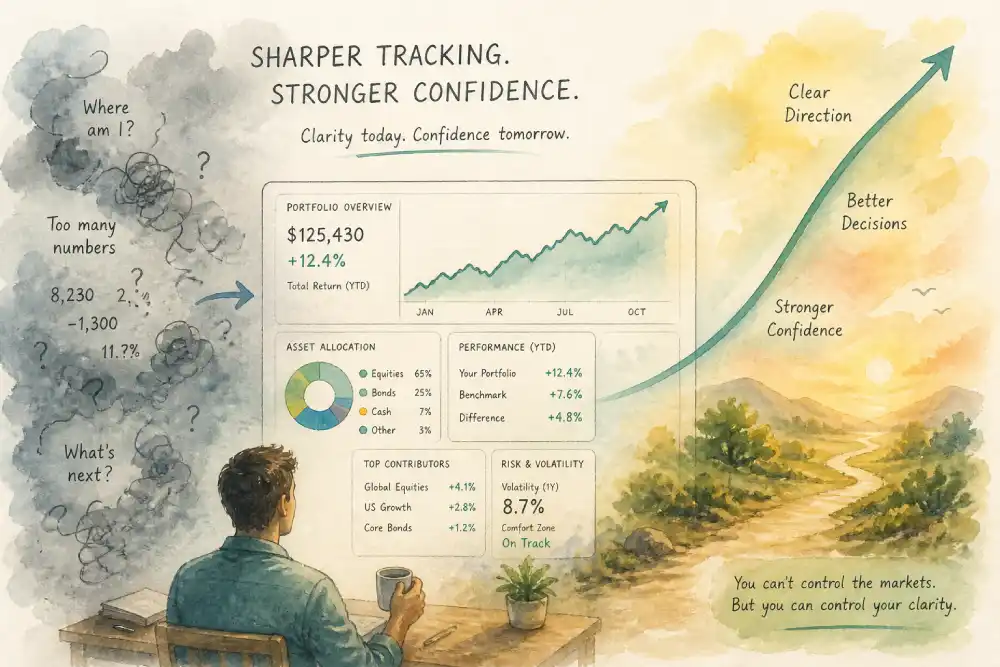
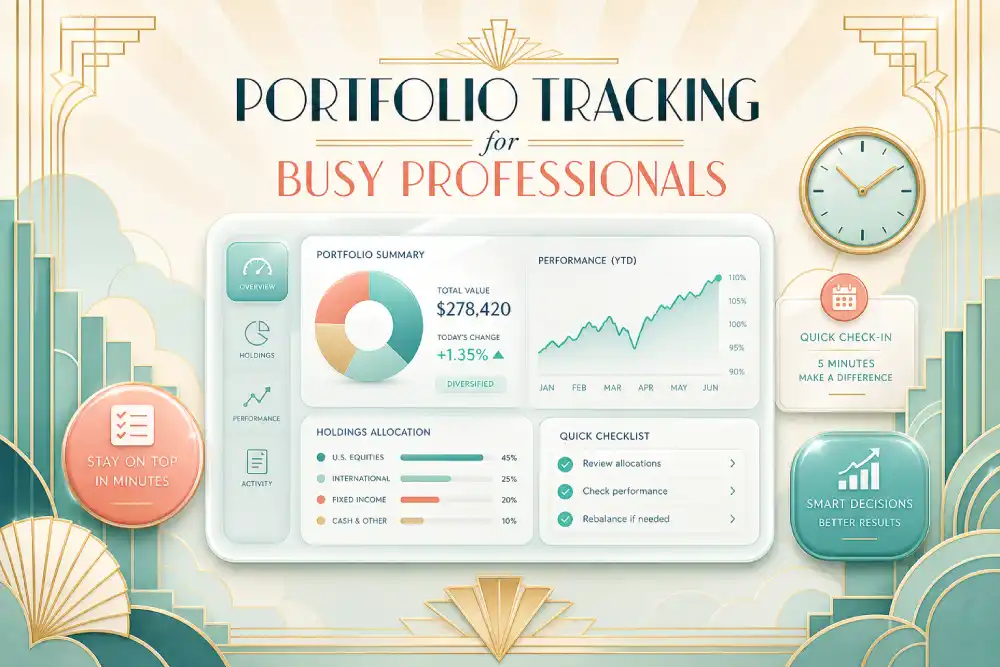
Tracking investments across multiple exchanges can be complex, but modern portfolio tracking tools simplify this process. Platforms like Portfolio tracking offer comprehensive views of holdings, performance analytics, and real-time updates, empowering investors to make informed decisions. Keeping a disciplined habit of portfolio monitoring is essential, as discussed in The Habit That Makes Portfolio Tracking Powerful.
Common Pitfalls and Considerations
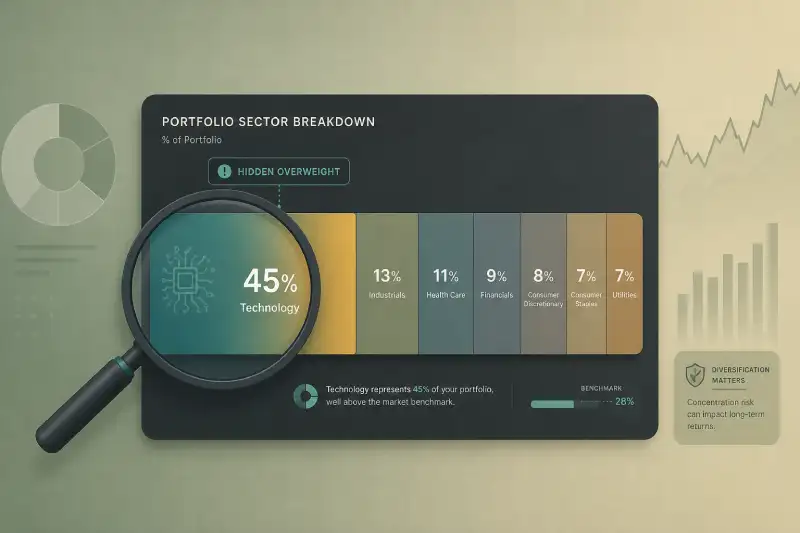
While investing across various stock exchanges offers diversification benefits, investors should be wary of certain pitfalls. One common mistake is overconcentration in a single “hero” stock that dominates portfolio performance. This can increase risk significantly if that company underperforms or faces adverse events. The dangers of such concentrated positions are explored in The Danger Of One Hero Stock.
Another consideration is dividend income, which can sometimes appear more attractive than it truly is when factors like dividend sustainability and tax implications are not fully understood. For a clearer perspective on this, investors can read When Dividend Income Looks Better Than It Is.
Finally, investors should recognize that “annualized return” metrics, while useful for comparing investments, can mask periods of volatility or drawdowns. Understanding what annualized returns actually indicate helps set appropriate expectations for investment performance, as explained in What “Annualized Return” Actually Tells You.
Conclusion
The NYSE and NASDAQ remain pillars of the U.S. equity markets, each catering to distinct types of companies and investor preferences. These exchanges provide different opportunities and risks, making them integral to a well-rounded investment approach. Meanwhile, global stock exchanges contribute to a diverse and interconnected financial ecosystem that offers additional avenues for growth and diversification.
Investors benefit greatly from understanding the unique characteristics of these venues, as this knowledge informs better portfolio construction, risk management, and long-term strategic planning. By leveraging insights into how these exchanges operate and what they represent, individuals can approach investing with greater confidence and clarity. For those actively managing my portfolio, staying informed about market structures and trends is indispensable to achieving long-term financial goals.