Investing without a clear plan often leads to inconsistent results. Many new investors begin their journey by selecting stocks on impulse, influenced by fleeting trends or hearsay rather than a well-considered strategy. Over time, experienced investors come to understand that a deliberate approach to portfolio management is essential for achieving long-term growth while controlling risk effectively.
The transition from making random picks to adopting a structured investment strategy starts with grasping the fundamentals of portfolio construction and recognizing the importance of aligning investments with personal financial goals. An effective strategy takes into account crucial factors such as asset allocation, diversification, risk tolerance, and investment time horizon. This approach replaces guesswork and impulsive decisions with informed, intentional choices that support sustainable wealth accumulation.
The Pitfalls of Random Stock Selection
Random stock picking may appear attractive due to its simplicity and the excitement of chasing potential quick gains. However, it exposes investors to unnecessary volatility and emotional decision-making, which can severely undermine portfolio performance. Without a defined strategy, portfolios often lack balance and may become heavily concentrated in certain sectors or individual equities that could underperform or face sudden downturns. Such an approach increases the likelihood of missed opportunities and amplified losses, jeopardizing overall financial objectives.
Furthermore, random picks typically do not incorporate systematic mechanisms to capture gains or limit downside risk. Investors relying on this approach often react to short-term market noise and headlines, rather than focusing on sustained growth and risk management. The absence of clear objectives makes it difficult to measure performance accurately or make timely adjustments to the portfolio. As a result, investors may find themselves subject to unnecessary stress and uncertainty.
Building a Robust Investment Strategy
Developing a comprehensive investment strategy begins with defining clear, achievable financial goals. Whether the objective is saving for retirement, funding education, or building intergenerational wealth, the strategy should be tailored to reflect these aims. Establishing an asset allocation plan that appropriately balances equities, bonds, and other asset classes in line with risk tolerance and investment horizon is the next critical step.
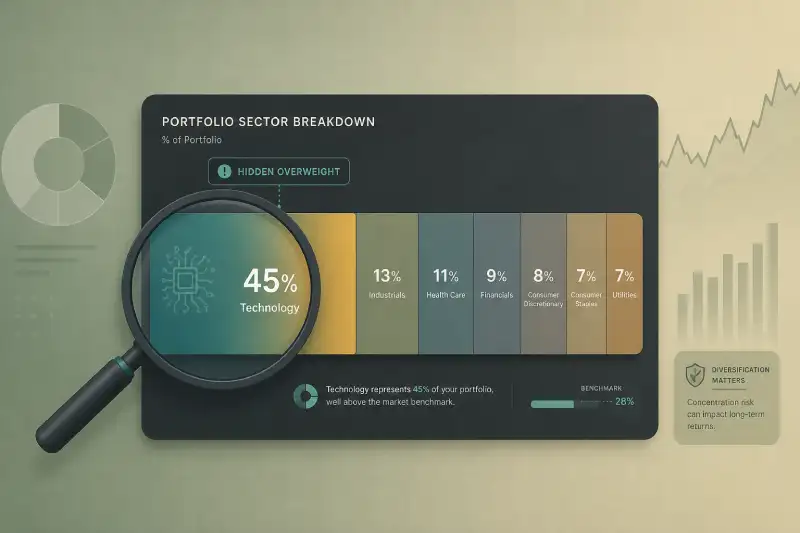
Diversification is a cornerstone of any robust investment strategy. By spreading investments across various sectors, geographies, and asset classes, investors can mitigate risk and smooth out returns over time. This principle applies broadly across different types of investments, including stocks, bonds, and alternative assets. A well-diversified portfolio reduces the impact of the poor performance of any single investment, helping to preserve capital and improve risk-adjusted returns.
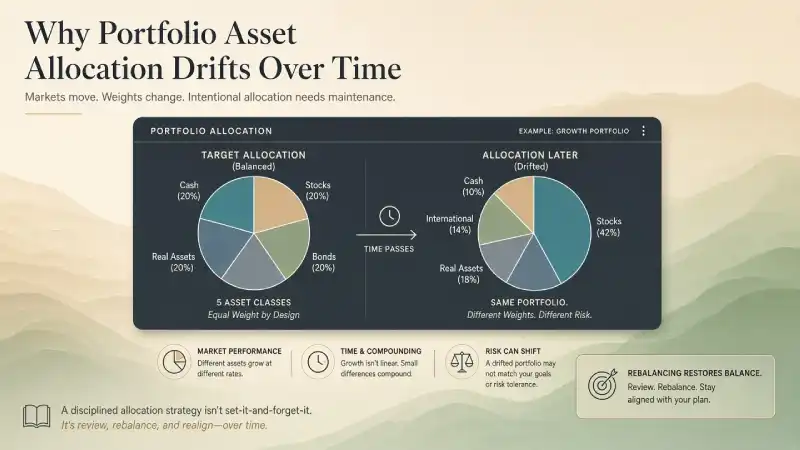
Another essential practice is rebalancing, which involves periodically adjusting the portfolio to maintain the desired asset allocation. Market fluctuations can cause the portfolio to drift away from its target weights, potentially increasing risk or reducing expected returns. Regular rebalancing fosters a disciplined buy-low, sell-high approach, helping investors lock in gains and maintain risk exposure consistent with their objectives.
Long-Term Investing and Consistent Monitoring
Long-term investing rewards patience, discipline, and consistency. The compounding effect of returns over extended periods can be remarkably powerful, especially when dividends are reinvested to generate additional growth. Understanding key financial metrics such as CAGR (Compound Annual Growth Rate) helps investors appreciate the benefits of sustained growth and underscores the importance of holding investments through periods of market volatility rather than reacting to short-term fluctuations.
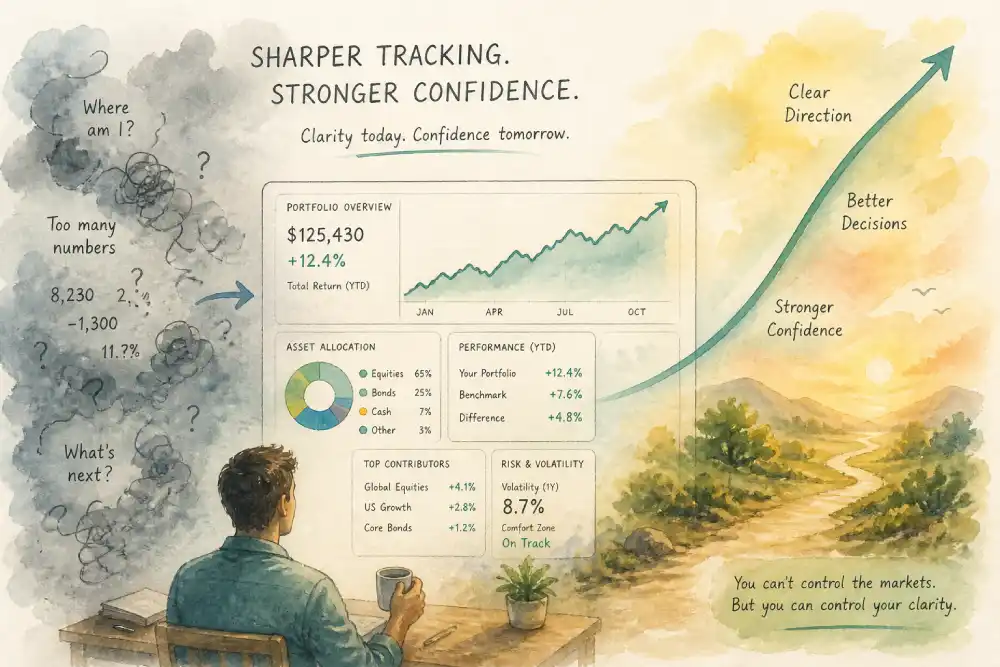
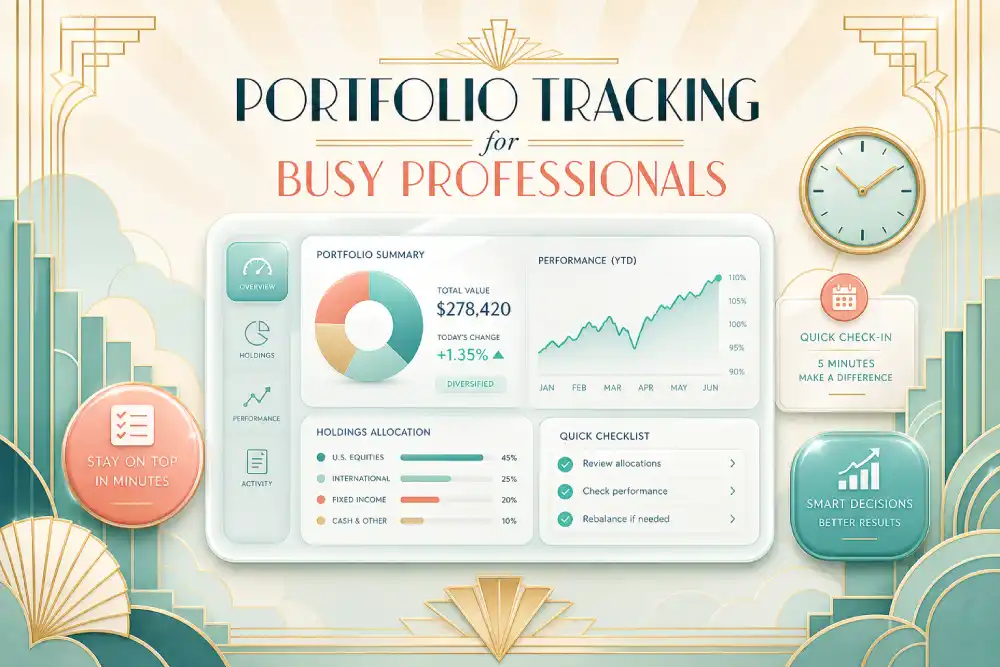
Regular portfolio tracking plays a pivotal role in maintaining adherence to an investment strategy. Modern tracking tools provide comprehensive visibility into performance, asset allocation, and risk metrics. They enable investors to identify underperforming assets and make informed decisions about rebalancing, diversification, or adjusting risk exposure. This level of insight transforms portfolio management from guesswork into a data-driven process.
Advanced portfolio tracking platforms also offer features such as scenario simulation, strategy testing, and real-time market updates. These capabilities empower both novice and seasoned investors to stay well-informed and adapt their strategies proactively as market conditions evolve. Utilizing such tools can provide a significant strategic advantage in navigating complex financial markets.
The Role of Discipline and Education
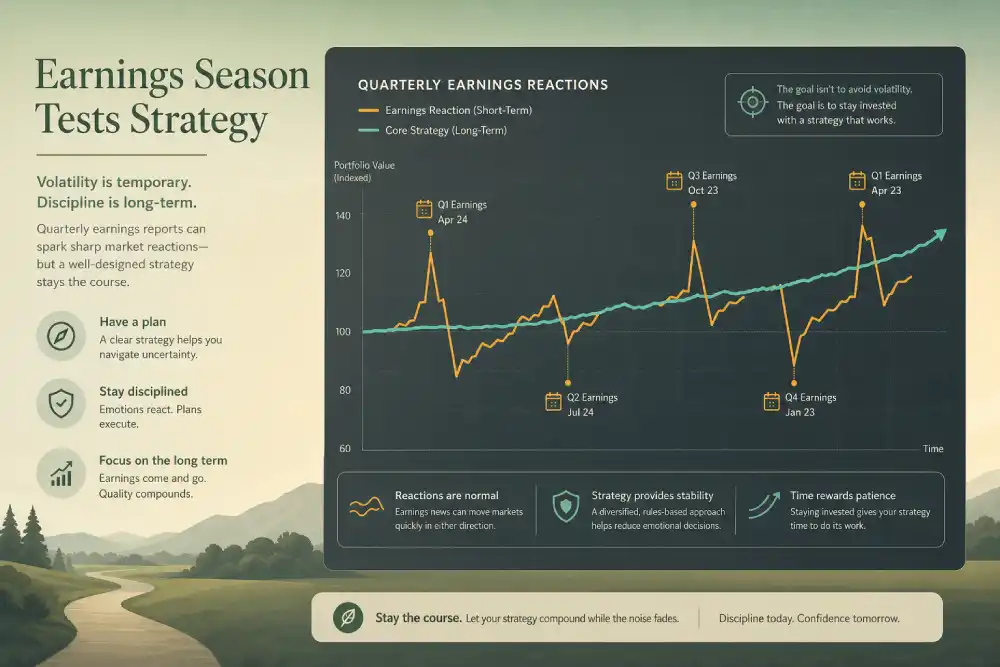
Implementing a real investment strategy requires considerable discipline. It involves resisting the temptation to chase hot stocks, market fads, or impulsively react to news headlines. Instead, disciplined investors adhere to their well-defined plans, conducting periodic reviews and making adjustments only when justified by changing circumstances or new information, rather than reacting to short-term market noise.
Continuous education is equally important for successful investing. Financial markets are dynamic, with new investment vehicles, regulations, and economic trends continually emerging. Staying informed through reputable sources and ongoing learning helps investors refine their strategies, adapt to evolving conditions, and avoid costly mistakes. Engaging with educational content enhances confidence and decision-making capabilities.
For those seeking to deepen their knowledge, exploring topics such as the power of reinvested dividends or understanding why CAGR matters provides valuable insights into long-term investing principles that can significantly impact portfolio growth and resilience.
Practical Steps to Transition
Investors ready to move from random picks to a structured investment strategy should start by conducting a thorough assessment of their current portfolio. Reviewing existing holdings, analyzing performance, and evaluating alignment with stated financial goals helps identify gaps, concentrations, and areas for improvement. Utilizing tools designed for my portfolio management can simplify this process by providing actionable data and visualizations that enhance understanding.
Following the assessment, defining clear investment objectives and selecting an appropriate asset allocation plan are critical. Establishing rules for diversification ensures the portfolio is well-balanced across different sectors, geographies, and asset classes. Setting parameters for periodic rebalancing maintains this balance over time. Incorporating risk management techniques, such as stop-loss orders or position limits, adds an extra layer of protection for capital preservation.
Finally, committing to regular portfolio reviews and continuous learning is essential for long-term success. Financial markets are inherently dynamic, and strategies that have performed well historically may require adaptation in response to changing economic, political, or technological environments. Staying engaged with quality investment education and leveraging modern portfolio tracking technology ensures the strategy remains relevant, effective, and aligned with evolving investor goals.
Conclusion
Transitioning from random stock picking to a real investment strategy represents a fundamental step toward achieving meaningful financial goals. This journey demands discipline, careful planning, and ongoing management. By emphasizing diversification, long-term growth, and consistent portfolio monitoring, investors can construct resilient portfolios designed to withstand market fluctuations while capturing potential opportunities.
Embracing a strategic approach transforms investing from a game of chance into a systematic and repeatable process. Equipped with the right tools and knowledge, investors gain confidence to navigate complex markets and enhance their potential for sustainable financial success.
For further insights into managing and tracking investments, the article Best Stock Portfolio Trackers In 2026: Why Marketlog Outperforms The Rest offers a detailed overview of the latest technology designed to support strategic investing.