Effective portfolio management hinges not only on the tools investors use but also on the habits they cultivate. Among these habits, consistent and disciplined portfolio tracking stands out as a cornerstone of successful long-term investing. This practice empowers investors to make informed decisions grounded in data, behavioral awareness, and clear financial goals. By integrating portfolio tracking as a habitual part of their investment routine, investors gain the ability to observe trends, manage risks, and respond strategically to changing market conditions.
At its core, portfolio tracking is more than just monitoring numbers. It is about creating a routine that fosters vigilance without succumbing to impulsive reactions. Behavioral finance research emphasizes that emotional responses to market fluctuations often undermine investment strategies. Investors who adopt a systematic approach to tracking their assets are better positioned to mitigate these psychological pitfalls. This approach encourages a disciplined mindset, reducing the influence of fear or greed, which are common drivers of poor investment decisions.
The Behavioral Edge of Consistent Tracking
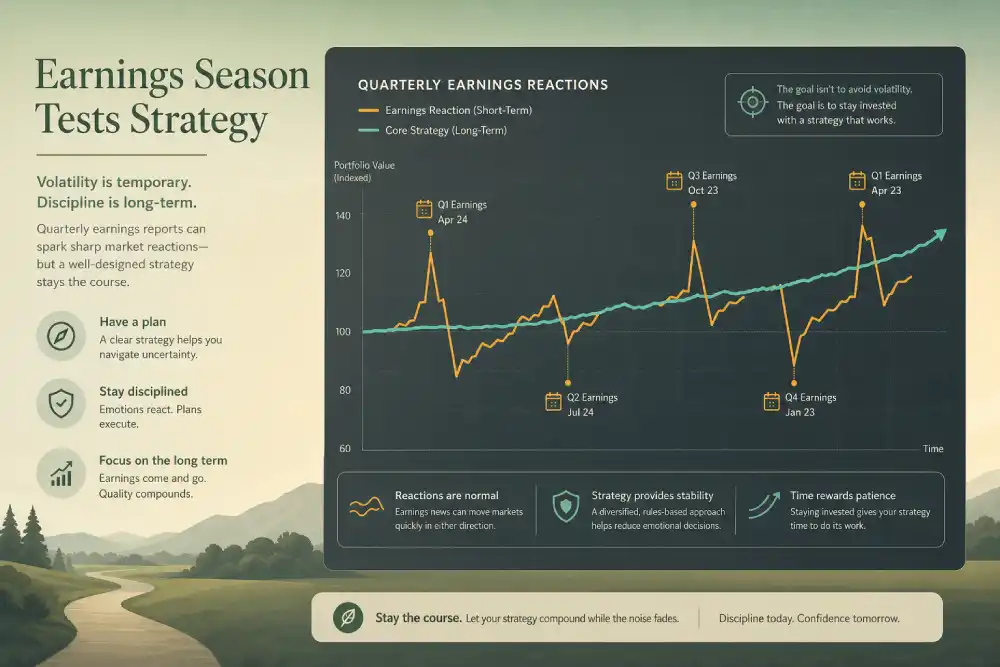
One of the key benefits of regular portfolio tracking is its ability to counteract common cognitive biases that frequently affect investor behavior. For example, the tendency to check portfolios excessively can lead to overtrading and unnecessary anxiety, as detailed in The Psychology Of Checking Your Portfolio Too Often. Constant monitoring may create a false sense of control but often results in reactive decisions that hurt long-term returns. Conversely, infrequent or haphazard tracking risks overlooking critical shifts in asset allocation or performance, potentially allowing problems to grow unnoticed.
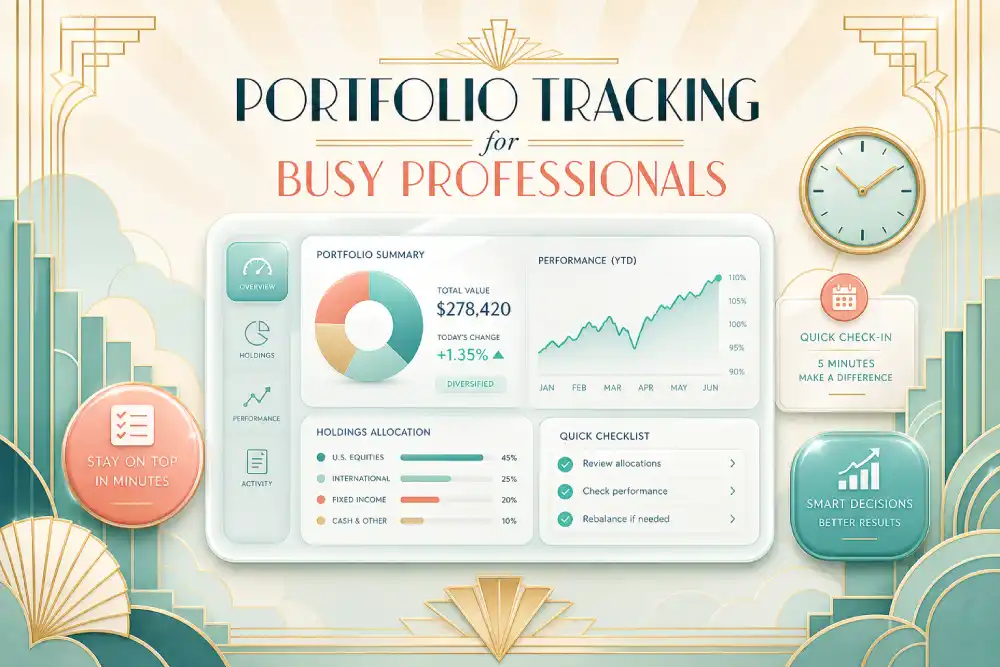
Establishing a balanced habit—such as weekly or monthly reviews—helps investors stay informed without becoming reactive. This rhythm encourages a focus on long-term objectives rather than short-term market noise. By observing trends over time rather than day-to-day volatility, investors align their behavior with proven principles of patience and discipline essential for wealth accumulation. The habit of consistent tracking reinforces the mindset needed to withstand market cycles and maintain a strategic outlook, which is crucial during periods of market turbulence.
Improving Financial Planning Through Data Awareness
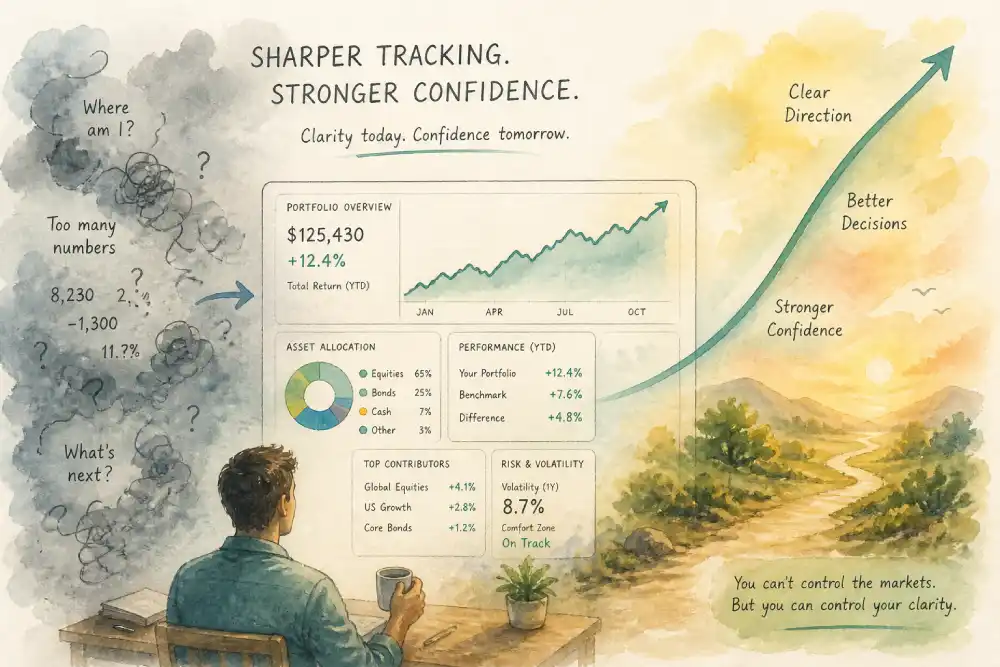
Regular portfolio tracking enhances financial planning by making performance transparent and measurable. Investors can evaluate whether their holdings meet expectations, identify underperforming assets, and adjust allocations to maintain risk tolerance and growth targets. This ongoing process supports proactive management rather than reactive fixes, enabling investors to stay aligned with their evolving financial goals.
For example, understanding the nuances between portfolio value and total return is crucial. These metrics often diverge due to cash flows, dividends, and timing effects, as explained in Why Portfolio Value And Total Return Don’t Match. Habitual tracking ensures that investors interpret these figures correctly, preventing misconceptions about portfolio health. Without this clarity, investors may misjudge their performance, leading to misguided decisions such as unnecessary portfolio tweaks or unwarranted complacency.
Furthermore, maintaining a well-documented record of transactions and performance data supports tax planning and retirement projections. This level of detail facilitates informed discussions with financial advisors and empowers investors to make adjustments aligned with evolving life circumstances. For instance, tracking realized gains and losses can optimize tax efficiency, while monitoring progress toward retirement income goals ensures that investment strategies remain on course.
Supporting Long-Term Investing Goals
Long-term investing demands a strategic approach that balances growth and risk over extended periods. Consistent portfolio tracking is indispensable in this regard. It allows investors to monitor compound growth, often measured by metrics such as compound annual growth rate (CAGR), a concept thoroughly examined in What Is CAGR And Why Long Term Investors Care. Understanding CAGR helps investors appreciate the power of compounding and maintain patience during market downturns.
Tracking enables detection of slow but steady progress, reinforcing confidence in the investment plan. It also discourages premature decisions based on short-term setbacks or market hype. By staying engaged with portfolio performance, investors can rebalance when necessary, harvest gains, and remain aligned with their risk profiles. This active yet disciplined management style supports sustained growth while controlling downside risks.
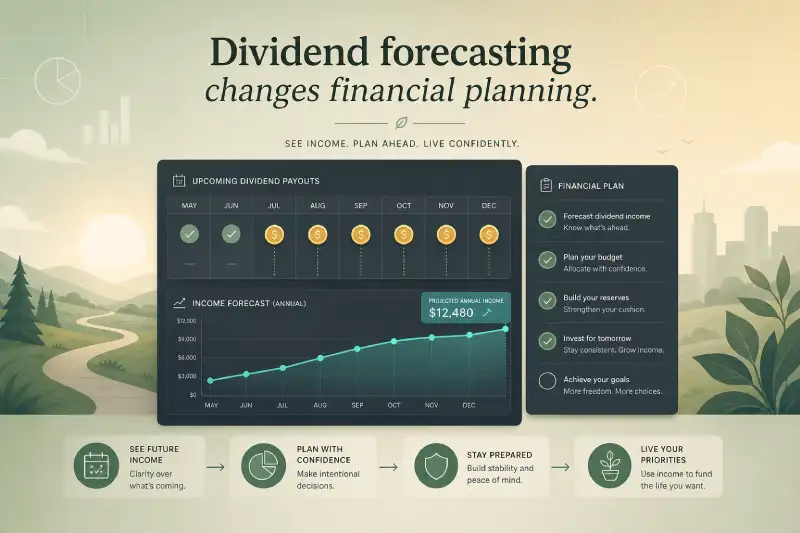
In addition to monitoring equities, tracking dividend income and its sustainability is vital. Understanding when dividend income may appear better than it actually is can help investors avoid overestimating income streams, as discussed in When Dividend Income Looks Better Than It Is. Dividend yields can fluctuate due to changes in payout policies or market valuations, making it essential to evaluate the quality and reliability of income sources. This knowledge supports more realistic income planning and portfolio resilience, particularly for investors relying on dividends for cash flow.
The Practical Habit of Portfolio Review
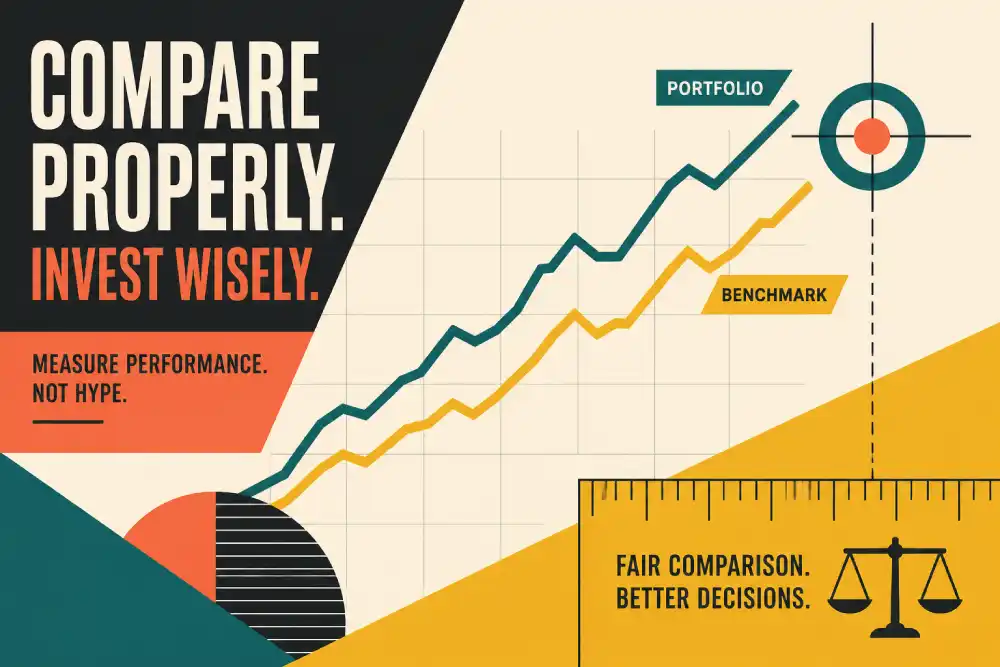
Establishing a habitual review process can be as simple as setting aside dedicated time weekly or monthly to examine my portfolio. This includes verifying transactions, assessing performance against benchmarks, and updating assumptions about risk tolerance or financial goals. Regular reviews help investors stay connected to their investments and make timely adjustments that reflect changing market conditions or personal circumstances.
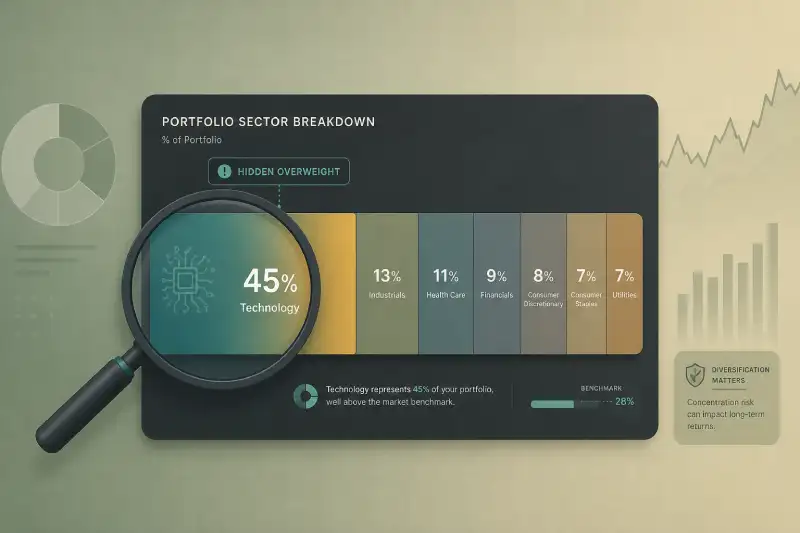
Tools that consolidate data from various asset classes, including stocks, fixed income, and alternative investments, facilitate this process. They provide a comprehensive view that highlights diversification benefits and potential concentration risks. Over time, this habit cultivates a stronger understanding of portfolio dynamics and market behavior, empowering investors to make smarter decisions.
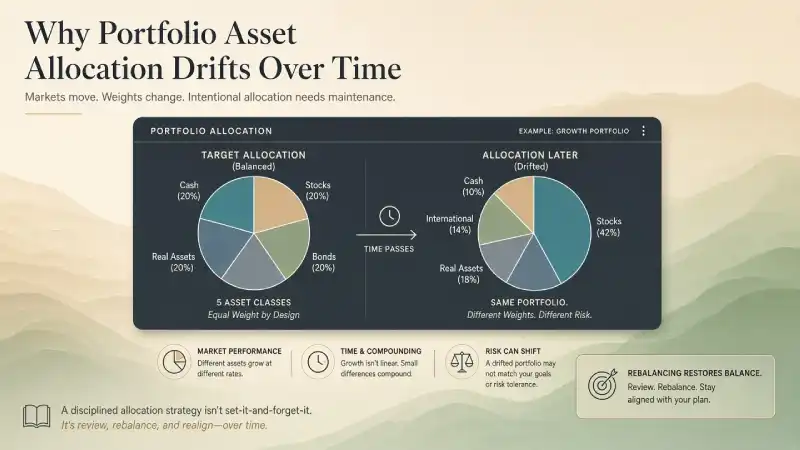
Moreover, regular tracking encourages accountability. Investors who ignore portfolio reviews often fall prey to inertia, allowing portfolios to drift away from intended strategies. This can lead to unintended risk exposures or missed opportunities. The habit of consistent tracking counters these risks by fostering proactive management. It also lays the groundwork for continuous learning, as investors become more adept at interpreting market signals and adjusting their plans accordingly.
Addressing Common Misconceptions and Challenges
Despite its benefits, portfolio tracking is sometimes viewed as tedious or anxiety-inducing. Some investors fear that frequent monitoring will lead to emotional decision-making or burnout. However, when approached with discipline and a clear framework, tracking becomes a source of empowerment rather than stress. Setting predefined review intervals and focusing on meaningful metrics helps maintain perspective and reduces the temptation to react impulsively.
Another common misconception is that portfolio tracking requires complex software or professional assistance. While advanced tools can enhance the experience, even simple tracking methods, such as spreadsheets or basic apps, provide value when used consistently. The key lies in making tracking a habit and using the data to guide decisions rather than obsessing over daily fluctuations.
For investors managing smaller accounts, the importance of tracking remains significant. As highlighted in Why Tracking Small Accounts Still Matters, disciplined monitoring can build good habits early and prevent costly mistakes. Even modest portfolios benefit from regular oversight, ensuring that growth objectives and risk tolerances are maintained over time.
Conclusion
The habit that makes portfolio tracking powerful is consistency combined with informed analysis. It transforms raw data into actionable insights, mitigates behavioral biases, and supports disciplined long-term investing. Investors who embrace this habit position themselves to navigate market uncertainties with confidence and clarity. This practice not only enhances financial outcomes but also fosters peace of mind by promoting a structured approach to wealth management.
Integrating regular portfolio reviews into financial planning routines is a practical, effective strategy that enhances decision-making and wealth preservation. By doing so, investors maintain alignment with their goals, understand the nuances of performance metrics, and avoid the pitfalls of emotional investing. This disciplined approach serves as a foundation for building a resilient portfolio capable of weathering market cycles.
For those looking to deepen their understanding of portfolio construction and management, exploring additional resources such as Building A Portfolio You Can Sleep With can provide valuable insights. Ultimately, the power of portfolio tracking lies in the disciplined habit of making it a regular, purposeful part of the investment journey.