For many investors, the moment they first compare their portfolio’s performance to the broader market marks a significant turning point in their investing journey. This initial comparison often brings clarity, humility, and a deeper understanding of what it truly means to manage investments effectively. It is not merely about measuring returns; it involves evaluating one’s investment strategy, risk tolerance, and expectations within a realistic and informed context.
Why Benchmarking Matters
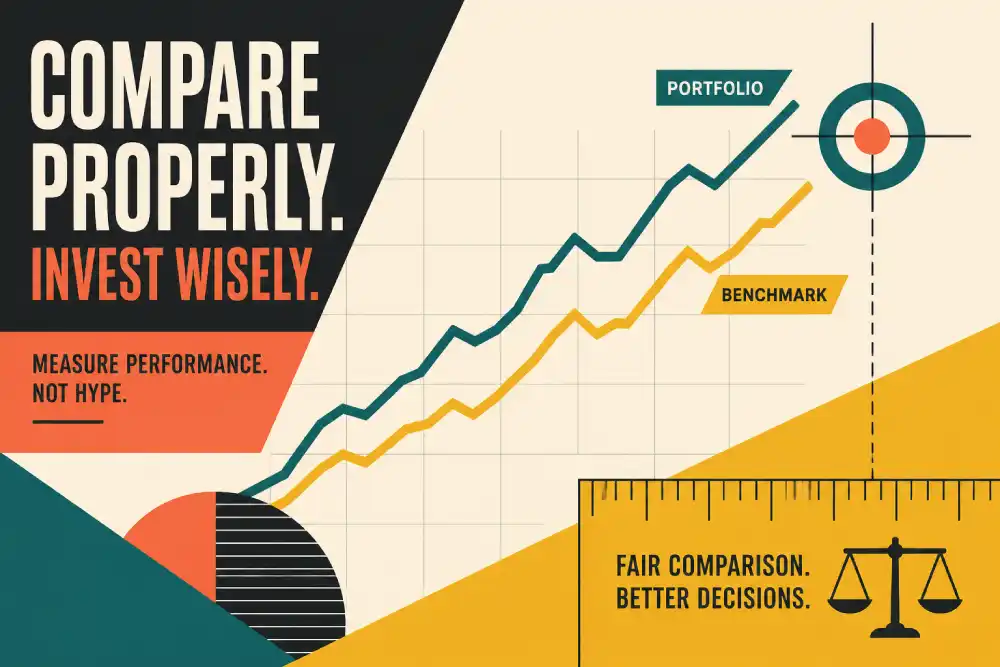
Benchmarking a portfolio against a market index or a relevant sector benchmark is a fundamental practice in portfolio management. Investors frequently use indices such as the S&P 500, Dow Jones Industrial Average, or other broad market indicators as a yardstick to gauge how well their investments are performing relative to the overall market.
Without this type of comparison, it can be difficult to discern whether gains or losses are a reflection of one’s own investment decisions or simply the result of overall market movements. For example, if the market declines by 10% and a portfolio falls by only 8%, the investor may have actually outperformed the market despite experiencing a loss. In this way, benchmarking provides essential context that helps investors understand the relative success of their portfolio management.
Common Reactions to Market Comparison
Initial reactions to comparing portfolio returns against the market can vary widely among investors. Some may feel encouraged and validated if their portfolio exceeds the benchmark, reinforcing confidence in their strategy. Others may feel disappointed or frustrated if their returns lag behind the broader market, potentially leading to self-doubt or second-guessing investment choices.
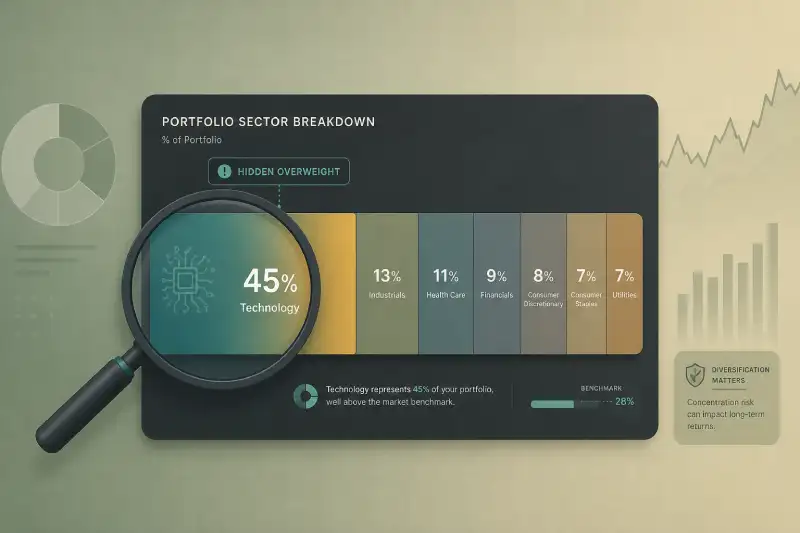
It is important to remember that consistently outperforming the market is a challenging and rare achievement. Market indices benefit from broad diversification across many sectors and companies, which helps mitigate risk. In contrast, an individual’s portfolio might be concentrated in fewer holdings or specific sectors, which can lead to greater volatility and differing performance outcomes. Understanding this distinction helps set realistic expectations regarding performance comparisons.
Understanding Performance Metrics
When comparing a portfolio to the market, it is crucial to consider more than just absolute returns. Investors should also evaluate risk-adjusted performance metrics such as the Sharpe ratio, alpha, and beta to gain a more nuanced understanding of how well the portfolio has been managed relative to the risk undertaken.
For instance, a portfolio that achieves similar returns to the market but with less volatility may be considered a better-performing investment on a risk-adjusted basis. Conversely, portfolios that generate higher returns accompanied by significantly higher risk may not align with an investor’s long-term goals or risk tolerance. These metrics help investors assess not only how much they earned but how efficiently the returns were generated, providing a clearer picture of portfolio quality.
The Role of Portfolio Tracking
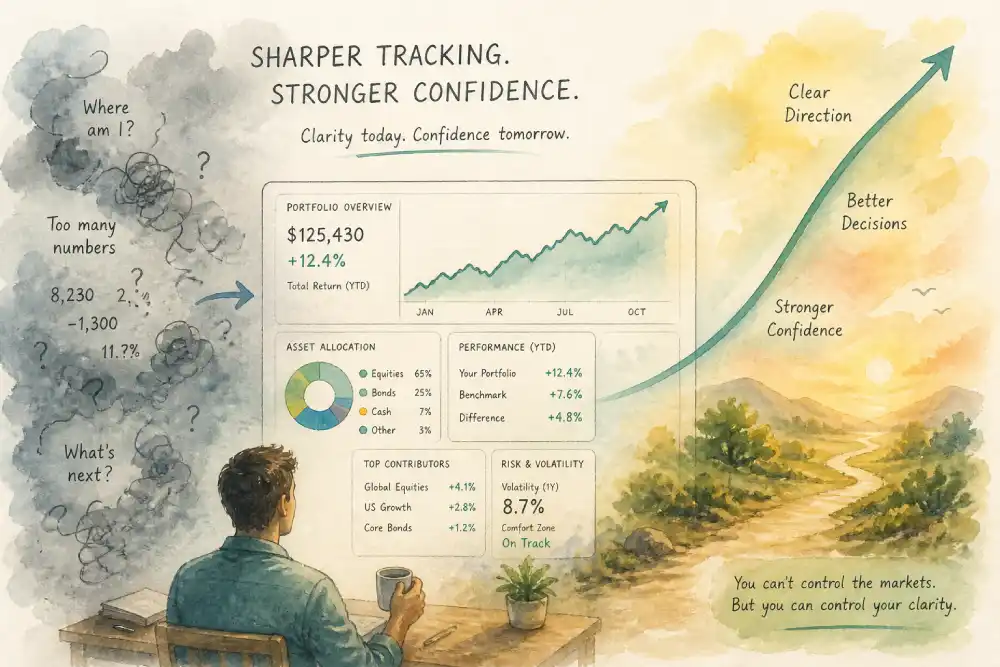
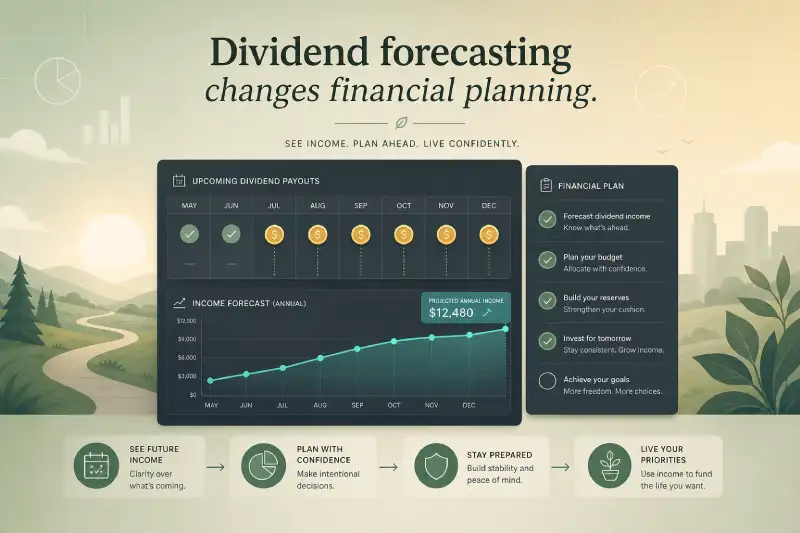
Effective portfolio tracking is essential for meaningful performance analysis. Investors need to monitor their holdings regularly, accounting for dividends, fees, taxes, and corporate actions that can affect portfolio value. Tracking these elements accurately allows investors to have a comprehensive understanding of their total returns and cost basis.
Dedicated tools for portfolio tracking simplify this process by aggregating data from multiple sources, providing real-time insights, and enabling investors to compare their returns directly against market benchmarks. These platforms often include features such as performance attribution, risk analysis, and goal tracking, which empower investors to make data-driven decisions and adjust their strategies as needed.
Learning from the Market
The market acts as a collective reflection of economic trends, investor sentiment, geopolitical events, and corporate performance. By comparing a portfolio’s performance to the market, investors gain valuable insight into how external factors impact their investments. This awareness helps identify whether underperformance is due to individual stock selection, sector allocation, or broader market conditions.
This understanding encourages continuous learning and adaptability. For example, if the market is rallying but the portfolio remains stagnant or declines, it may signal the need to reassess asset allocation or individual stock choices. Conversely, during market downturns, a portfolio that holds up well may indicate successful diversification or defensive positioning. Viewing portfolio performance through this lens promotes better-informed decision-making over time.
Managing Expectations and Emotions
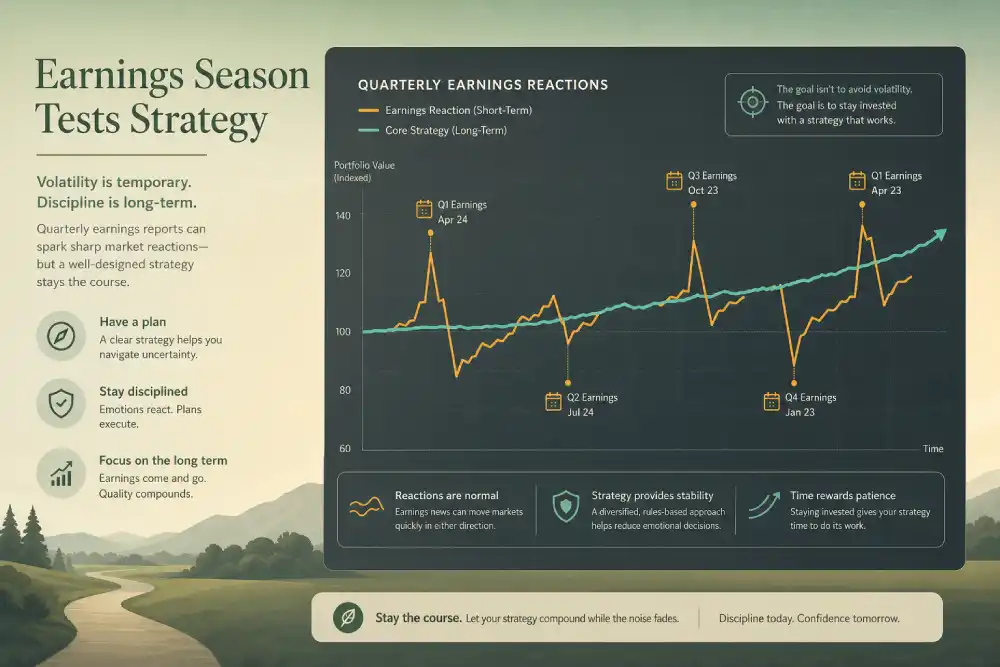
Comparing portfolio performance to the market can sometimes evoke strong emotional reactions, particularly during periods of high volatility or market stress. Investors may experience anxiety, frustration, or overconfidence depending on short-term results. It is critical to maintain perspective and avoid impulsive decisions based solely on these comparisons.
Setting realistic expectations and focusing on long-term investment objectives helps mitigate the psychological impact of market fluctuations. Investors who understand the difference between realized and unrealized gains, for example, are better positioned to stay the course through market cycles without making rash moves. For those interested in exploring this topic further, the article Realized vs Unrealized Gains: Why the Difference Matters offers a comprehensive explanation.
The Importance of Context
Every investor’s situation is unique, influenced by factors such as investment horizon, income needs, tax considerations, and risk tolerance. These individual circumstances shape portfolio construction and expected performance outcomes.
Therefore, comparing returns to the market should never be the sole measure of success. It represents only one piece of a larger puzzle. For example, an older investor focused on capital preservation might accept lower returns in exchange for reduced risk exposure, which could result in underperformance relative to a growth-oriented market index. In contrast, a younger investor with a longer time horizon might pursue more aggressive strategies aiming for higher growth.
Practical Steps After Your First Comparison
Once an investor has compared their portfolio to the market for the first time, several practical steps can help improve decision-making and portfolio performance going forward:
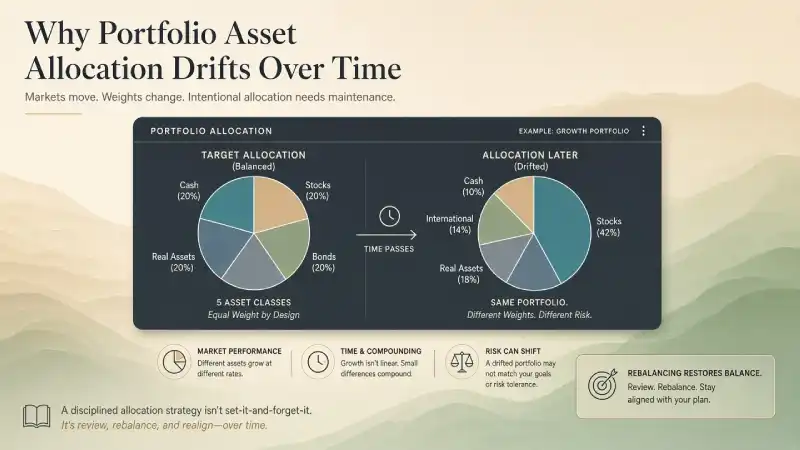
- Review asset allocation: Ensure the portfolio aligns with the investor’s goals, risk tolerance, and time horizon. Consider diversification across asset classes and sectors to manage risk effectively.
- Analyze individual holdings: Understand which positions are driving performance, both positively and negatively, and assess whether they fit the overall strategy.
- Consider fees and taxes: These expenses can significantly impact net returns over time. Look for opportunities to minimize costs through low-fee investments or tax-efficient strategies.
- Set realistic goals: Align expectations with market realities and personal circumstances to avoid disappointment and impulsive behavior.
- Utilize tools: Employ reliable portfolio tracking software to stay informed, analyze detailed performance metrics, and make data-driven decisions.
Conclusion
The first time an investor compares their portfolio to the market is a critical learning experience that fosters discipline, patience, and a data-driven approach to investing. While it can be humbling to face the realities of market performance, this comparison is invaluable for refining strategy and improving long-term outcomes.
Investors who embrace this practice and utilize effective portfolio tracking methods are better equipped to navigate the complexities of the stock market. Those interested in exploring tools that enhance portfolio management can find a detailed overview in the article Best Stock Portfolio Trackers In 2026: Why Marketlog Outperforms The Rest, which highlights top platforms available today.
Ultimately, comparing oneself to the market should serve as a constructive exercise, guiding thoughtful adjustments rather than prompting rash decisions. Investors who maintain this perspective position themselves for sustained success in the dynamic world of stocks, leveraging knowledge, tools, and discipline to achieve their financial goals.