Performance graphs serve as indispensable tools for investors aiming to track and understand the progression of their investments over time. These visual representations allow investors to observe changes in portfolio value and returns, but interpreting them accurately requires more than a simple glance at moving lines or fluctuating bars. Experienced investors recognize that correctly reading performance graphs involves a thorough understanding of the underlying metrics, an awareness of external influences, and the ability to place the data within the context of one’s overall investment strategy.
Understanding the Basics of Performance Graphs
At their essence, performance graphs depict the change in value of an investment or a portfolio over a specified period. This change can be illustrated in absolute dollar amounts or as percentage gains and losses. Typically, the horizontal axis (x-axis) represents time, spanning days, months, or years, while the vertical axis (y-axis) displays either the portfolio’s value or its return percentage. Grasping the meaning of these axes is fundamental before analyzing the graph further.
Many investors mistakenly conflate absolute portfolio value with percentage returns. For example, a portfolio might show consistent upward movement in its total value, yet the percentage return data could reveal intervals of volatility, stagnation, or even minor declines. This distinction is vital because changes in portfolio value alone may be influenced by external cash flows, such as fresh capital contributions or withdrawals, rather than genuine investment performance. To better understand these nuances, the article Why Portfolio Value and Total Return Don’t Match offers an in-depth explanation.
Moreover, different types of performance graphs can exhibit various data perspectives; some focus on cumulative returns, while others emphasize rolling returns or drawdowns. Awareness of the specific graph type helps investors interpret what the visual data truly communicates.
Key Metrics to Focus On
Several key metrics typically accompany performance graphs and provide deeper insights into portfolio performance. Investors should pay close attention to these indicators, including but not limited to:
- Total Return: This comprehensive metric accounts for both capital gains and income generated through dividends or interest payments. Total return offers a more complete picture of investment success, as it includes all sources of profit rather than just market price appreciation.
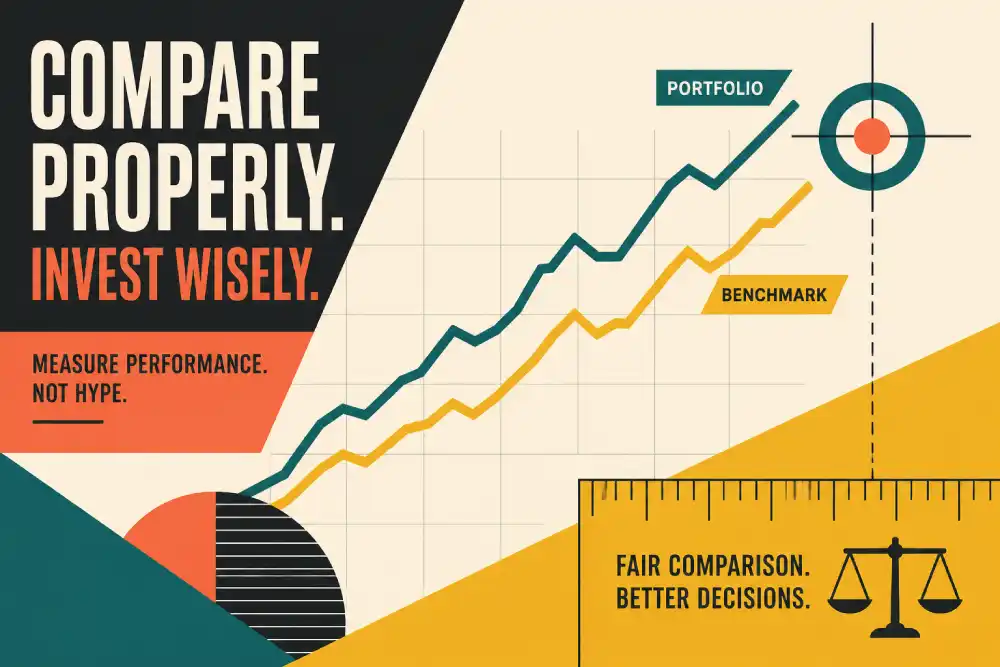
- Benchmark Comparison: Evaluating portfolio performance relative to an appropriate benchmark index is essential. Benchmarks serve as standards for comparison, helping investors assess whether their portfolio is outperforming, underperforming, or tracking in line with market trends. Without this context, it becomes challenging to determine the adequacy of returns.
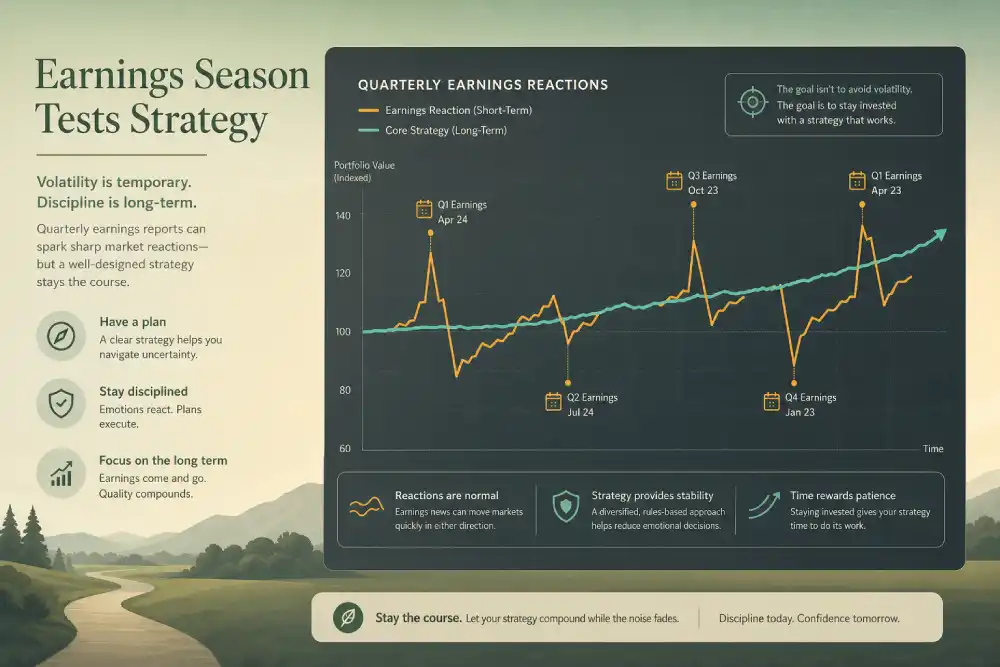
- Time Frame: The duration over which performance is measured significantly impacts interpretation. Short-term performance can be volatile and misleading if viewed in isolation, while longer-term trends often better reflect the effectiveness of an investment strategy.
Misunderstanding or neglecting these metrics can lead investors to draw inaccurate conclusions. For example, focusing solely on short-term returns without considering benchmarks or total return components can paint an incomplete and sometimes misleading picture. The article Why Most Investors Misread Their Own Returns delves into common pitfalls related to return interpretation and offers guidance on avoiding such errors.
Common Pitfalls in Reading Performance Graphs
Investors frequently make mistakes when interpreting performance graphs, some of which stem from focusing excessively on recent results. Markets naturally move in cycles, and short-term fluctuations should not overshadow the long-term trajectory of a portfolio. Reacting impulsively to recent gains or losses often leads to suboptimal investment decisions.
Another common oversight is failing to account for the impact of cash flows, such as deposits, withdrawals, or dividend reinvestments. These transactions can distort the apparent performance when looking only at total portfolio value, as increases might reflect new capital rather than investment growth. Properly adjusted performance graphs that incorporate these cash flows provide a more accurate assessment.
Many investors also overlook the effects of fees and taxes when evaluating performance. Gross returns, which exclude expenses, may appear attractive, but net returns after management fees, transaction costs, and taxes offer a truer representation of actual investment gains. Ignoring these factors can cause investors to overestimate their portfolio’s effectiveness.
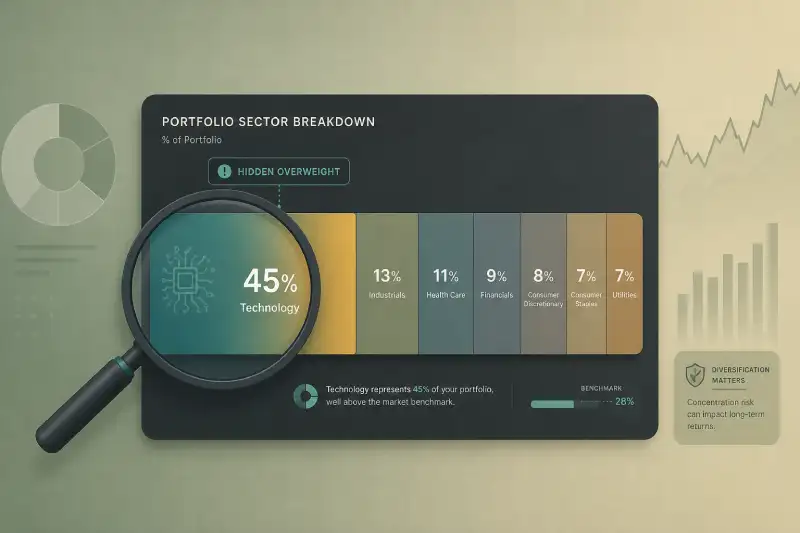
Additionally, some performance graphs do not highlight the underlying risks taken to achieve returns. For instance, a portfolio heavily concentrated in volatile stocks might display strong gains during favorable market conditions but could experience significant drawdowns during downturns. Understanding portfolio composition and risk exposure is, therefore, crucial to interpreting performance data accurately.
Contextualizing Performance Within Portfolio Management
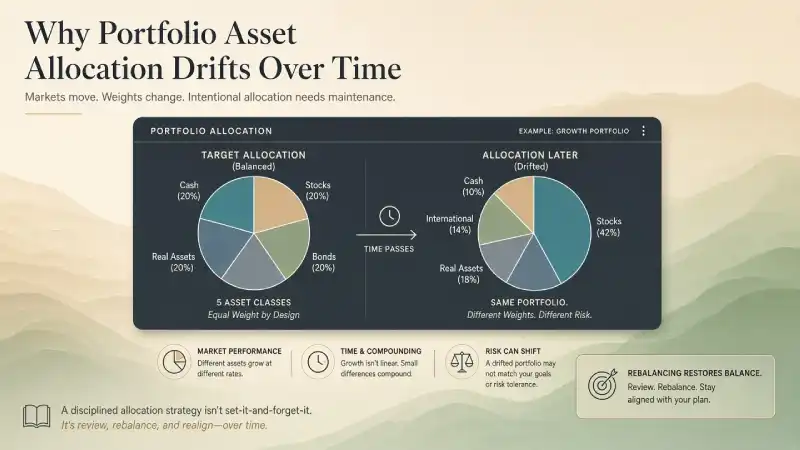
Effective portfolio management requires that performance graphs be analyzed alongside broader investment objectives and strategies. This includes regular reviews of asset allocation, adherence to risk tolerance levels, and rebalancing practices to ensure the portfolio remains aligned with goals.
Assessing portfolio performance in isolation, without considering these contextual factors, can lead to misguided decisions. For example, a temporary underperformance relative to a benchmark might be acceptable if it aligns with a defensive investment approach designed to reduce volatility.
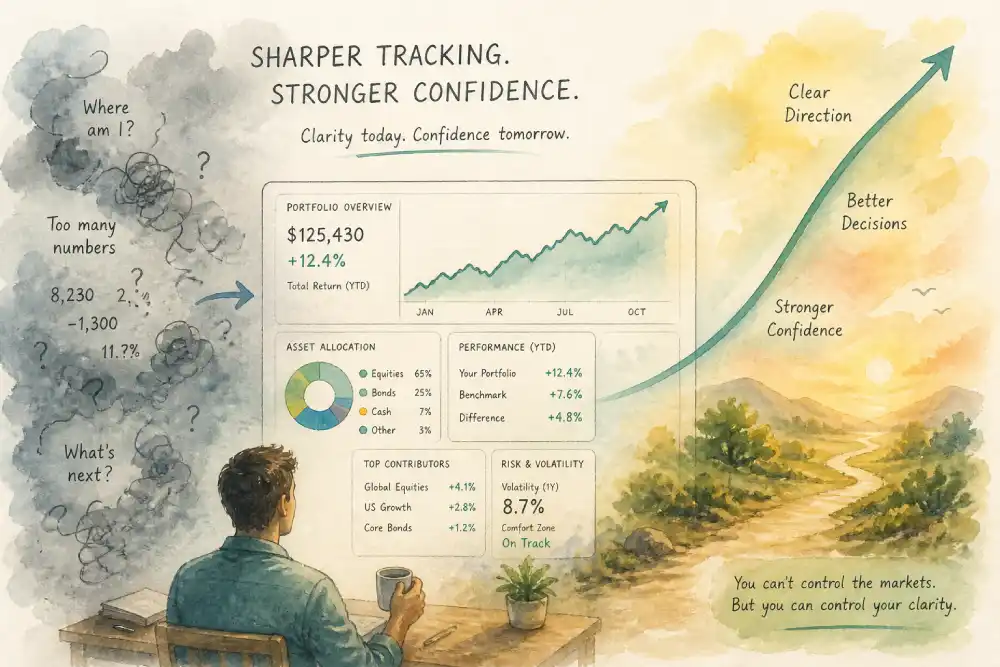
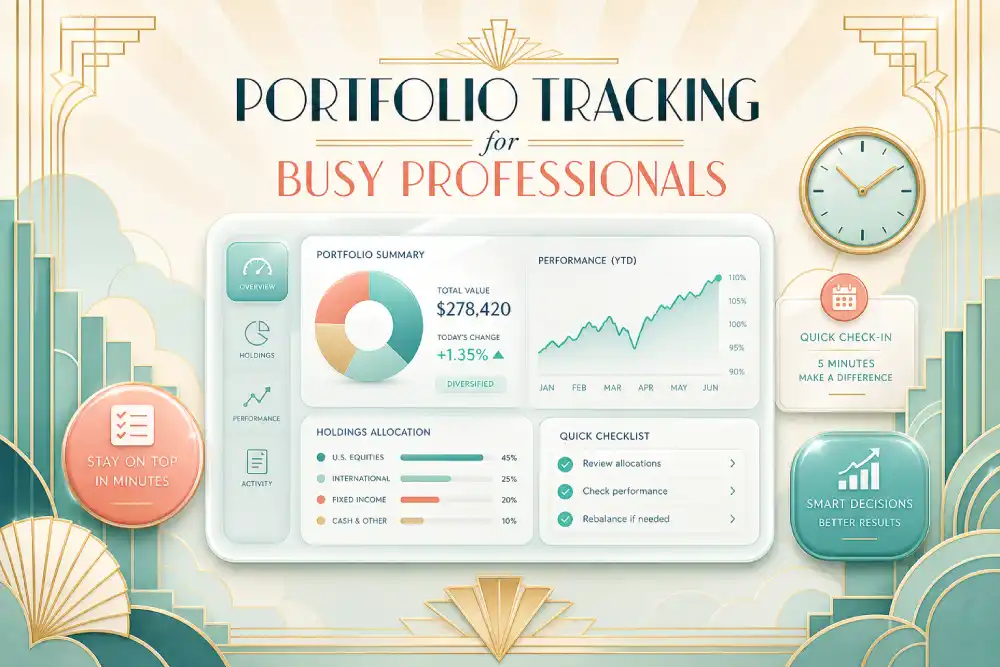
Investors leveraging modern digital tools benefit from enhanced visualization and analytic capabilities offered by reliable portfolio tracking platforms. These platforms assist in breaking down complex data into actionable insights, enabling investors to monitor performance comprehensively and make informed decisions based on accurate, up-to-date information.
Consistently reviewing my portfolio with a clear grasp of performance graphs helps prevent reactionary behavior driven by misleading impressions or incomplete data.
The Role of Cost Basis in Performance Measurement
Cost basis is a fundamental concept in performance evaluation that represents the original purchase price of an investment, adjusted for factors like stock splits or reinvested dividends. It plays a critical role in determining realized gains or losses for tax purposes.
Without considering cost basis, investors might misinterpret the profitability of their holdings. For example, a security’s market value might exceed its purchase price, but if the cost basis is higher due to additional purchases or reinvested dividends, actual gains could be lower than they appear. Conversely, a low cost basis could mean substantial taxable gains even if the current market value hasn’t changed dramatically.
For a comprehensive understanding of how cost basis affects performance measurement and tax planning, the article What 'Cost Basis' Really Means in Your Portfolio offers valuable insights.
Utilizing Technology to Enhance Performance Analysis
With the increasing complexity of investment portfolios, relying solely on manual methods or basic spreadsheets to track performance can be inefficient and error-prone. Platforms such as Marketlog provide advanced portfolio tracking tools designed to streamline performance analysis and offer real-time data visualization.
Marketlog’s capabilities include automatic integration of transactions, dividends, and fees, ensuring that performance graphs reflect accurate total returns and cost basis adjustments. This reduces the risk of misinterpretation caused by manual data entry errors or incomplete information.
For investors still using spreadsheets, the article Marketlog vs Excel: When Spreadsheets Stop Working highlights the limitations of traditional spreadsheet methods and the benefits of adopting dedicated portfolio tracking solutions.
Conclusion
Mastering the skill of correctly reading performance graphs is essential for successful investing. It entails understanding key metrics such as total return, benchmark comparisons, time frames, and cost basis, while also remaining mindful of common interpretive pitfalls. Performance data gains true value only when contextualized within a comprehensive investment framework that includes risk management, asset allocation, and long-term objectives.
Employing reliable portfolio tracking tools like Marketlog enhances the ability to analyze performance graphs effectively, providing clarity and reducing confusion. Investors who commit to disciplined portfolio management practices and leverage advanced analytics position themselves to make well-informed, data-driven decisions that align with their financial goals.
For those eager to improve their portfolio tracking and performance analysis capabilities, the article Best Stock Portfolio Trackers In 2026: Why Marketlog Outperforms The Rest offers an insightful overview of leading tools available in the market today.