Annualized return is a fundamental metric in investing, yet its true significance is often misunderstood. For investors managing their portfolios or analyzing performance, grasping what annualized return represents and what it does not is crucial for making informed decisions. This article explores the concept of annualized return, clarifies common misconceptions, and explains how investors can use it effectively within portfolio management.
Defining Annualized Return
Annualized return, sometimes referred to as the compound annual growth rate (CAGR), represents the average yearly return an investment achieves over a specified period. This metric smooths out the effects of market volatility and irregular gains or losses, providing a single consistent rate that equates to the total growth if the investment had grown steadily year after year.
Unlike simple average returns, which merely calculate the arithmetic mean of periodic returns, annualized returns incorporate the power of compounding, the process by which investment gains generate additional earnings over time. This compounding effect makes annualized return a more accurate and meaningful reflection of long-term investment performance than simply looking at total returns or individual yearly returns.
By focusing on the annualized return, investors gain insight into the steady growth rate of their investments as if the returns had been reinvested and compounded consistently, enabling better comparisons across different investments and time periods.
How Annualized Return Is Calculated
The calculation of annualized return follows a straightforward formula:
Annualized Return = (Ending Value / Beginning Value) ^ (1 / Number of Years) - 1
This formula assumes that all earnings are reinvested and spreads the total growth evenly over the years in the investment period. For example, suppose an investment grows from $10,000 to $16,105 over five years. The annualized return would be calculated as:
(16,105 / 10,000) ^ (1/5) - 1 = 0.10 or 10%
This means the investment effectively grew by 10% per year, compounded annually, over the five-year period. The annualized return thus expresses the equivalent constant yearly growth rate that results in the same total accumulation as the actual investment performance.
It is important to note that this calculation assumes no additional contributions or withdrawals during the period, which is a key consideration when interpreting the metric.
What Annualized Return Reveals About Investment Performance
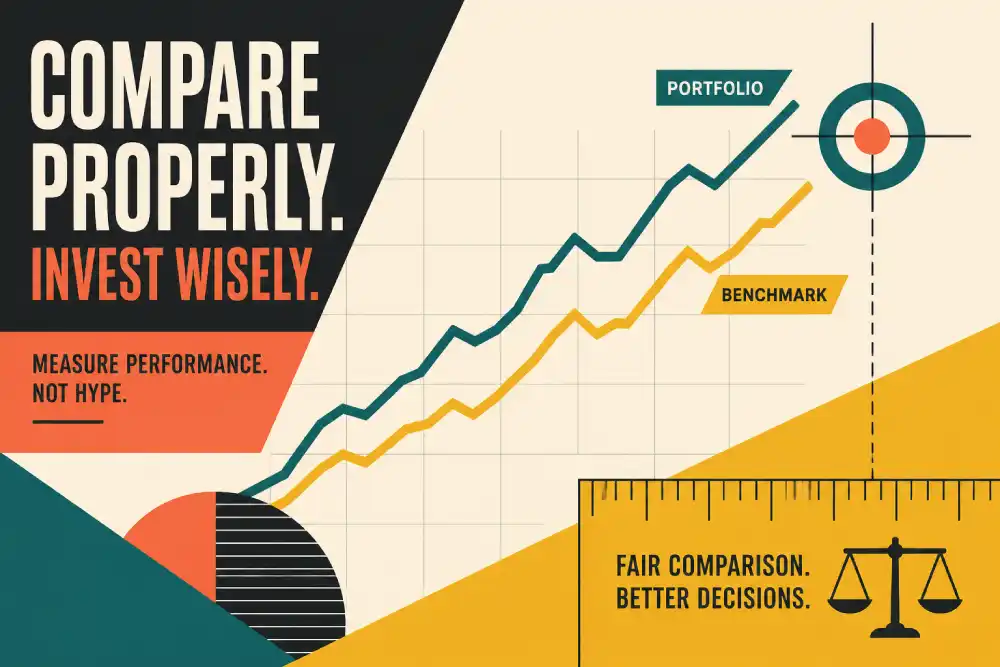
Annualized return provides a standardized way to compare investments held over different periods. This is especially useful for investors who want to measure the efficiency of their capital deployment or compare returns with benchmarks or alternative investment opportunities that may have different holding durations.
For long-term investors, annualized return is particularly valuable since it reduces distortions caused by short-term market volatility and irregular cash flows. It provides a clearer picture of the investment’s growth trajectory and overall performance consistency. This emphasis on long-term growth and compounding is why understanding CAGR is crucial, as explained in the article What Is CAGR and Why Long-Term Investors Care.
By focusing on annualized return, investors can gauge whether their investments are meeting expected growth targets over extended periods and make informed adjustments to their portfolio strategies.
Common Misconceptions and Limitations
Despite its usefulness, the annualized return metric can be misleading if interpreted without sufficient context. Investors should be aware of several important limitations and common misconceptions:
- It does not reflect volatility: While annualized return shows the average growth rate over time, it does not capture the ups and downs experienced during the investment period. An investment with a 10% annualized return could have experienced significant fluctuations, which are not evident in this metric alone.
- It assumes reinvestment of earnings: The calculation presumes that all dividends, interest, and other earnings are reinvested at the same rate. In reality, investors may take earnings as income or reinvest them at varying rates, affecting actual performance.
- It ignores interim cash flows: Annualized return does not account for additional investments or withdrawals made during the holding period. For portfolios with frequent deposits or redemptions, metrics such as the internal rate of return (IRR) or money-weighted return may provide a more accurate reflection of performance.
- Sensitivity to time period length: The annualized return can vary significantly depending on the length of the measurement period. Shorter periods may exaggerate returns due to market timing effects, while longer periods tend to smooth out anomalies.
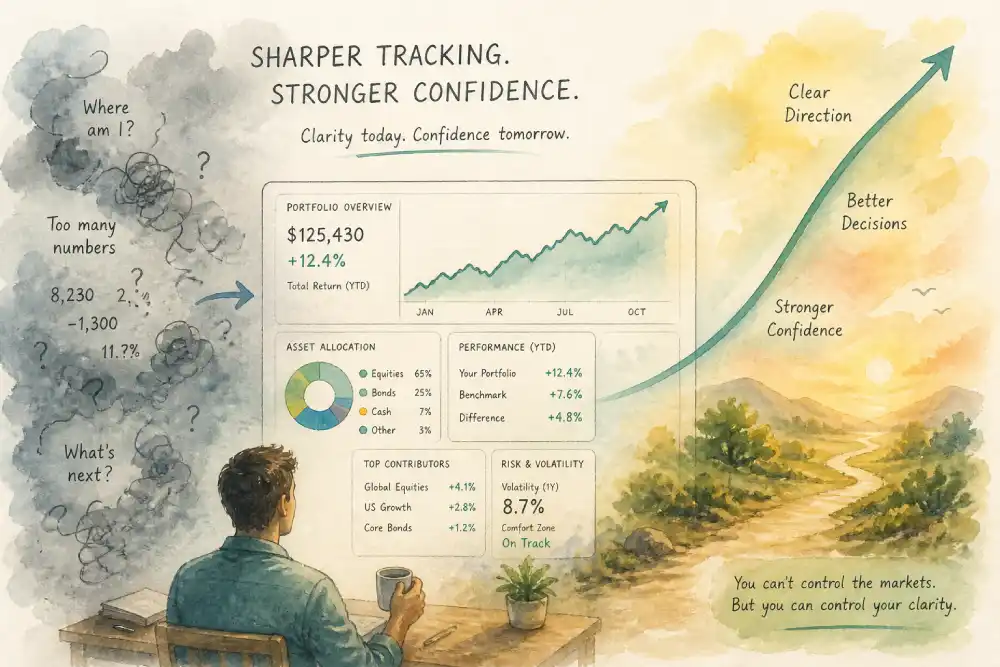
Given these factors, investors should not rely solely on annualized return but instead use it alongside other performance indicators and proper Portfolio tracking tools to obtain a comprehensive understanding of their investments.
Annualized Return Versus Total Return
Total return measures the overall gain or loss from an investment, including price appreciation and income such as dividends, over a specific period. However, total return alone does not adjust for the length of the holding period, which makes it difficult to compare investments held for different durations or with varying compounding effects.
Annualized return translates total return into a consistent annual growth rate, enabling apples-to-apples comparisons across investments and time frames. This helps investors evaluate which investments have performed better on a year-over-year basis, regardless of how long the investments were held.
Still, it is important to recognize that total return and portfolio value may not always move in tandem, especially when there are external cash flows, fees, or other factors affecting portfolio value. This distinction and its implications for performance evaluation are explored further in the article Why Portfolio Value and Total Return Don't Match.
Using Annualized Return in Portfolio Management
Experienced investors use annualized return as a core metric when reviewing the long-term performance of their portfolios. It helps assess whether an investment strategy is meeting its target goals and how it compares to relevant benchmarks or alternative opportunities.
However, annualized return should not be the sole criterion driving investment decisions. For example, an investor actively tracking my portfolio benefits from evaluating annualized returns alongside other critical factors such as risk measures, liquidity needs, diversification, and market conditions.
Combining annualized return with insights from performance graphs and additional analytics provides a more nuanced understanding of portfolio health. Resources like How To Read Your Performance Graph Correctly offer practical guidance on interpreting these tools effectively, enabling investors to spot trends, identify risks, and make adjustments as needed.
Moreover, integrating annualized return with other metrics such as volatility, maximum drawdown, and dividend yield can help build a portfolio that aligns with the investor’s risk tolerance and financial goals. For strategies focused on income, understanding when dividend income looks better than it is can prevent misinterpretations, as discussed in When Dividend Income Looks Better Than It Is.
Investors should also be aware of how trading hours and global market differences can impact the timing and calculation of returns, a topic covered in What Trading Hours Mean for Global Portfolios.
Conclusion
Annualized return is a vital metric that offers a simplified yet powerful perspective on investment growth over time. It enables investors to compare performance across different assets and time horizons using a common scale. This comparability helps in assessing the effectiveness of investment strategies and making informed portfolio management decisions.
However, relying solely on annualized return without considering volatility, cash flows, reinvestment assumptions, and other performance factors can lead to incomplete or misleading conclusions. Investors should use annualized return as one piece of a broader analytical framework that includes comprehensive portfolio tracking and risk assessment.
By integrating annualized return with sound analysis and appropriate tools, investors can achieve a more accurate performance assessment and make better-informed decisions towards their financial goals. Additional learning on concepts like CAGR and performance graph interpretation can deepen investment analysis and portfolio optimization, empowering investors to build portfolios they can confidently manage over the long term.
For further exploration of these topics, readers may find value in related articles such as Building A Portfolio You Can Sleep With and Why Investors Overestimate Their Returns.
Ultimately, mastering the interpretation and application of annualized return equips investors with a vital tool in their investment toolkit, fostering disciplined, long-term wealth building.