Exchange listings play a significant role in shaping the investment landscape for both individual and institutional investors. Understanding how the choice of stock exchange impacts the performance, liquidity, and regulatory environment of a security is essential for effective portfolio management. Many investors tend to focus primarily on the fundamentals of stocks themselves, such as earnings, growth prospects, and dividends. However, the exchange on which these stocks trade can influence risk, costs, and opportunities in subtle but meaningful ways that deserve careful consideration.
The Importance of Stock Exchange Listings
When a company decides to go public, the choice of the exchange for its initial listing is a strategic decision that can affect its future trajectory. Major exchanges like the New York Stock Exchange (NYSE) and NASDAQ each have distinct characteristics, including listing requirements, trading mechanisms, and regulatory oversight. These factors impact the visibility and accessibility of a company’s shares to different classes of investors, ranging from retail traders to large institutional players.
For investors, the exchange listing determines where they can buy or sell shares and under what conditions. The exchange also influences volatility patterns, trading hours, liquidity, and even investor perception of the stock. It is not merely a venue but a comprehensive framework that governs the transactional environment of a security and thereby affects investment outcomes.
Liquidity and Trading Volume
Liquidity is one of the most critical factors for investors, as it affects the ease with which shares can be bought or sold without significantly impacting the price. Stocks listed on major exchanges typically enjoy higher liquidity due to greater investor participation and more stringent listing standards that attract quality companies. This higher liquidity translates into tighter bid-ask spreads, which reduce transaction costs and slippage during trade execution.
Conversely, stocks listed on smaller or less regulated exchanges often experience lower trading volumes and wider bid-ask spreads. This can increase the cost and risk associated with trading, making it more difficult for investors to enter or exit positions efficiently. Therefore, when evaluating potential investments, it is important for investors to consider how the choice of exchange may affect liquidity and trading costs, especially for large or time-sensitive trades.
Regulatory Environment and Transparency
Stock exchanges impose listing requirements designed to ensure a minimum level of financial health, corporate governance, and transparency among listed companies. For example, the NYSE generally demands higher market capitalization, earnings thresholds, and shareholder equity than smaller exchanges. This rigorous regulatory framework benefits investors by providing greater assurance regarding the quality and reliability of disclosed information.
Companies listed on well-regulated exchanges are subject to regular financial reporting, compliance audits, and disclosure standards enforced by regulatory bodies such as the Securities and Exchange Commission (SEC). These measures reduce information asymmetry and potential fraud risks, contributing to a safer investment environment. Investors must recognize that different exchanges have varying degrees of oversight, which can influence the risk profile of listed securities.
Understanding these regulatory differences is crucial when constructing a diversified portfolio, as it helps investors balance risk and return by choosing securities that align with their risk tolerance and investment goals.
Market Perception and Valuation
The exchange where a company is listed can significantly affect its market perception and valuation. Listings on prestigious exchanges often confer a level of credibility and visibility that can attract institutional investors, analysts’ coverage, and media attention. This enhanced attention can increase demand for the shares and, in some cases, support higher valuations and better liquidity.
On the other hand, companies listed on smaller or international exchanges may face challenges in gaining investor recognition. Limited coverage from analysts and reduced investor awareness can suppress trading interest and valuation multiples, even if the company's fundamentals are strong. For investors, awareness of how exchange listings influence market sentiment and valuation is important when assessing potential investment opportunities.
Impact on Portfolio Management
Exchange listings influence portfolio management strategies in several important ways. The choice of exchange affects trading costs, liquidity considerations, and the timing of trades due to differing trading hours and rules. For example, stocks listed on the NYSE and NASDAQ have specific hours during which trading occurs, but after-hours and pre-market trading sessions can vary in terms of liquidity and volatility.
Investors managing global portfolios must also account for time zone differences and after-hours trading sessions, which can affect price discovery and volatility. Understanding these nuances helps optimize trade execution, reduce slippage, and manage risks associated with market timing. Furthermore, exchange-specific rules may affect settlement periods and tax implications, which can influence cash flow management and overall portfolio efficiency.
For instance, settlement cycles can vary between exchanges, impacting when funds or securities become available after a trade. This timing can matter for investors who actively rebalance portfolios or require precise cash flow planning. Additionally, some exchanges may have different rules governing short selling, margin requirements, and trading suspensions, all of which can affect portfolio management decisions.
Utilizing Tools for Informed Decisions
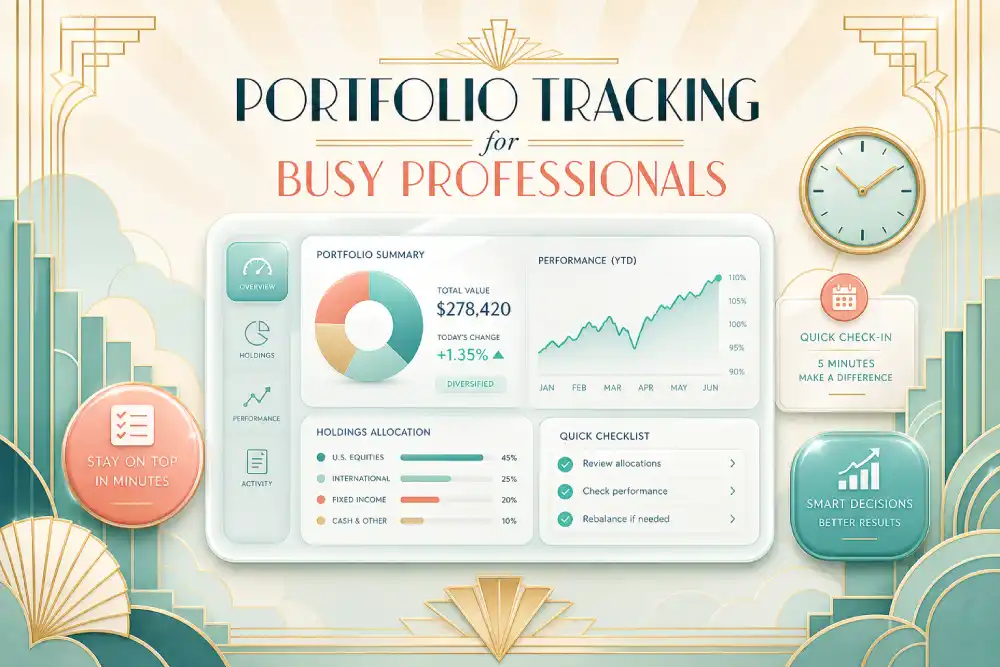
Effective Portfolio tracking tools are invaluable for investors looking to monitor stocks across different exchanges. These platforms provide real-time data on liquidity, price movements, trading volumes, and other key metrics that reveal how exchange listings impact individual holdings. By leveraging such tools, investors can stay informed about market conditions and adjust their strategies accordingly to optimize performance and manage risk.
Maintaining a clear and updated view of my portfolio with detailed insights into exchange-specific factors supports better decision-making. Investors can evaluate which stocks to hold, buy, or sell based on current liquidity, volatility, and regulatory environment considerations. This approach enables more precise risk management and performance evaluation, essential components of successful long-term investing.
Additionally, portfolio tracking tools often integrate educational resources and market analysis, helping investors deepen their understanding of how factors such as exchange listings influence investment outcomes. For those seeking to enhance their investment knowledge, related articles such as NASDAQ vs NYSE: Why the Exchange Actually Matters provide further context and actionable insights.
Conclusion
Exchange listings are more than just a technical detail in investment decisions. They shape the trading environment, influence liquidity and regulatory oversight, and affect market perception and valuation. For investors aiming to build a resilient and efficient portfolio, understanding how exchange listings impact investment characteristics is essential.
By integrating this knowledge with robust portfolio management practices and leveraging advanced tracking tools, investors can navigate the complexities of the stock market more effectively. This holistic approach allows investors to align their strategies with their risk tolerance and investment goals, ultimately improving the chances of achieving favorable long-term returns.