Constructing an investment portfolio that offers peace of mind requires more than just selecting assets with the highest potential returns. It demands a disciplined and thoughtful approach that encompasses effective risk management, strategic asset allocation, and adherence to long-term investing principles. Experienced investors recognize that a well-balanced portfolio is designed not only for growth but also to minimize volatility and safeguard capital during periods of market uncertainty.
The Importance of Risk Management
Risk management serves as the foundation of a portfolio that investors can hold comfortably without experiencing sleepless nights. This process involves identifying potential risks, measuring their impact, and implementing strategies to mitigate them effectively. One of the most essential risk management techniques is diversification, which spreads investments across different asset classes, industries, and geographic regions. This approach reduces the vulnerability of the portfolio to any single risk factor or market event.
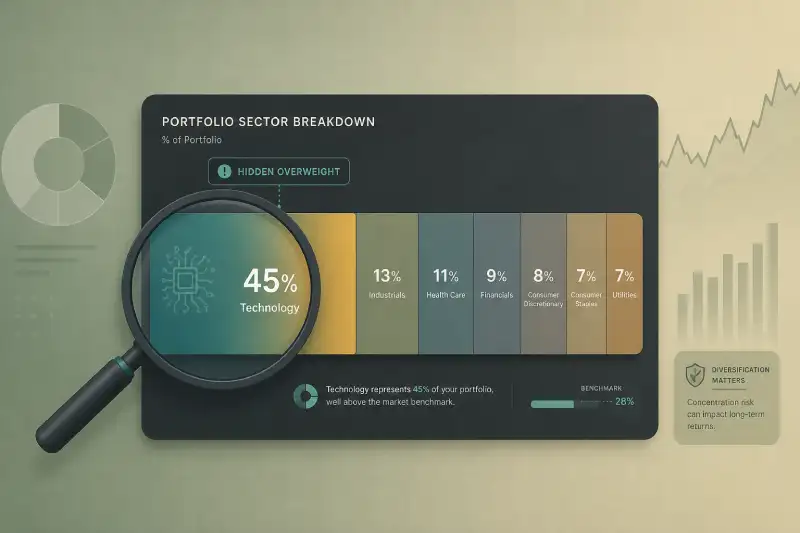
In addition to diversification, setting clear risk tolerance levels is crucial. This allows investors to align their investment choices with their financial goals and emotional comfort, preventing impulsive decisions during market downturns. Prudent investors consciously avoid overconcentration in individual stocks or sectors, understanding the pitfalls that come with relying heavily on a single “hero” stock. Concentrated portfolios may generate significant gains at times, but they often come with heightened volatility and the potential for severe losses. For a comprehensive analysis of this risk, readers can explore The Danger of One “Hero” Stock.
Moreover, effective risk management involves regularly reviewing and adjusting the portfolio to respond to changing market conditions and personal circumstances. This proactive approach helps maintain the desired risk profile and ensures that the portfolio remains aligned with the investor’s objectives over time.
Strategic Asset Allocation
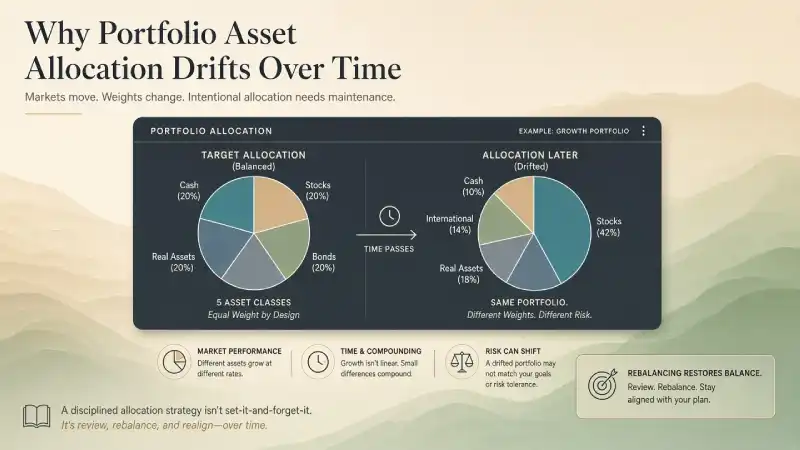
Asset allocation is the deliberate process of distributing investments across various asset categories such as equities, fixed income, real estate, and cash equivalents. The primary goal is to strike an optimal balance between risk and reward that aligns with an investor’s time horizon, financial goals, and risk tolerance. A well-considered allocation strategy can significantly impact long-term portfolio performance and stability.
For long-term investors, an asset allocation that emphasizes both stability and growth potential is typically beneficial. This often means maintaining a core holding of diversified equities, which offer growth opportunities, complemented by bonds or other fixed-income instruments that help reduce overall portfolio volatility. Real estate and alternative assets can also provide valuable diversification benefits by introducing different risk-return dynamics. Periodic portfolio rebalancing is essential to ensure that the actual allocation remains consistent with the target strategy. This helps prevent unintended risk exposures that may develop as market values fluctuate.
Understanding what an allocation chart reveals about portfolio health can provide valuable insights into diversification effectiveness and risk concentration. Investors seeking to deepen their knowledge on this subject may find What Your Allocation Chart Is Trying to Tell You to be a useful resource.
Additionally, asset allocation should not be static. It must evolve as the investor’s financial situation, goals, and market conditions change. Younger investors might favor a more aggressive allocation with higher equity exposure, while those approaching retirement typically shift towards more conservative allocations to preserve capital.
Long-Term Investing Discipline
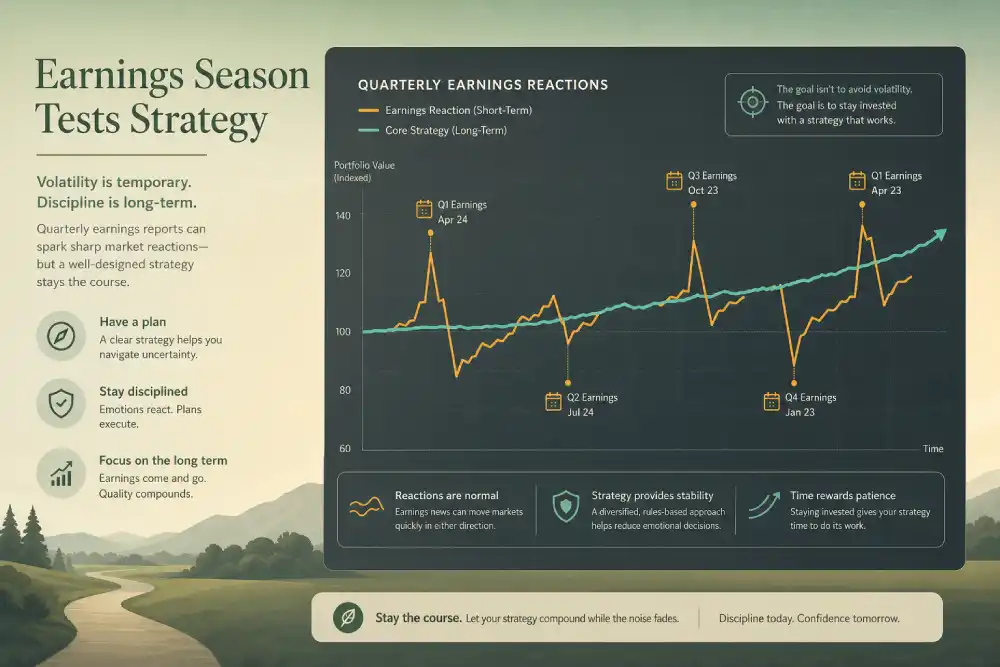
Successful portfolio management requires patience and discipline, especially in the face of short-term market volatility. The temptation to react hastily to market fluctuations often leads to poor timing decisions, increased trading costs, and diminished returns. Investors who maintain a long-term perspective tend to benefit from the power of compounding returns and reduced tax inefficiencies.
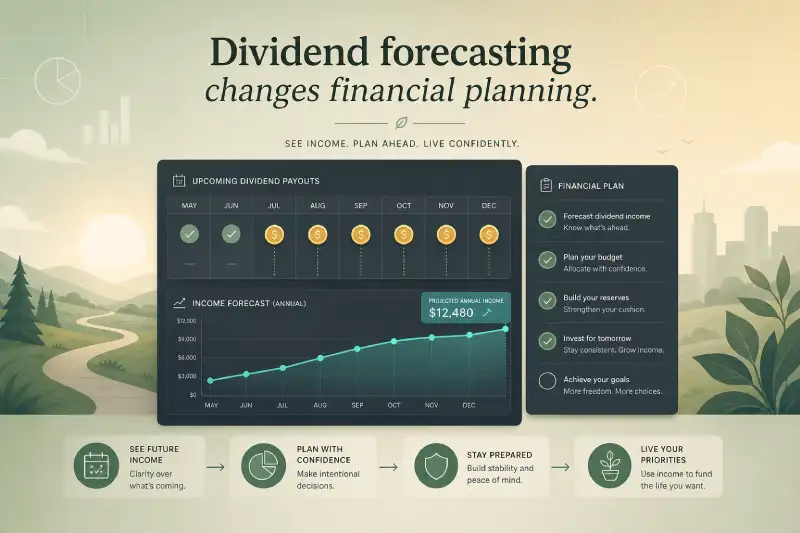
One of the most effective long-term investing strategies is the reinvestment of dividends. This approach harnesses the silent power of compounding by gradually increasing the investment base without requiring additional capital input. Reinvested dividends can significantly enhance total returns over extended periods. For a detailed explanation of this strategy, readers can consult The Silent Power of Reinvested Dividends.
Equally important is the discipline to adhere to the chosen investment plan, avoiding the pitfalls of emotional decision-making during market highs and lows. Investors should view market downturns as opportunities to acquire quality assets at discounted prices rather than triggers for panic selling.
Maintaining a diversified portfolio and a consistent investment strategy helps cushion the impact of market volatility, making it easier for investors to stay committed to their long-term goals.
Leveraging Technology for Portfolio Management
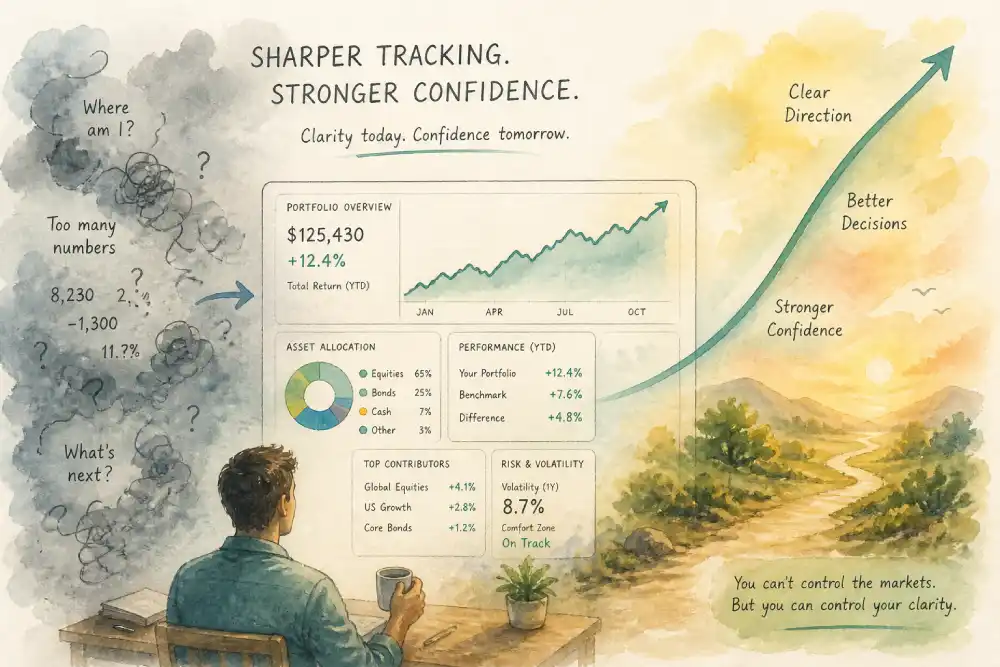
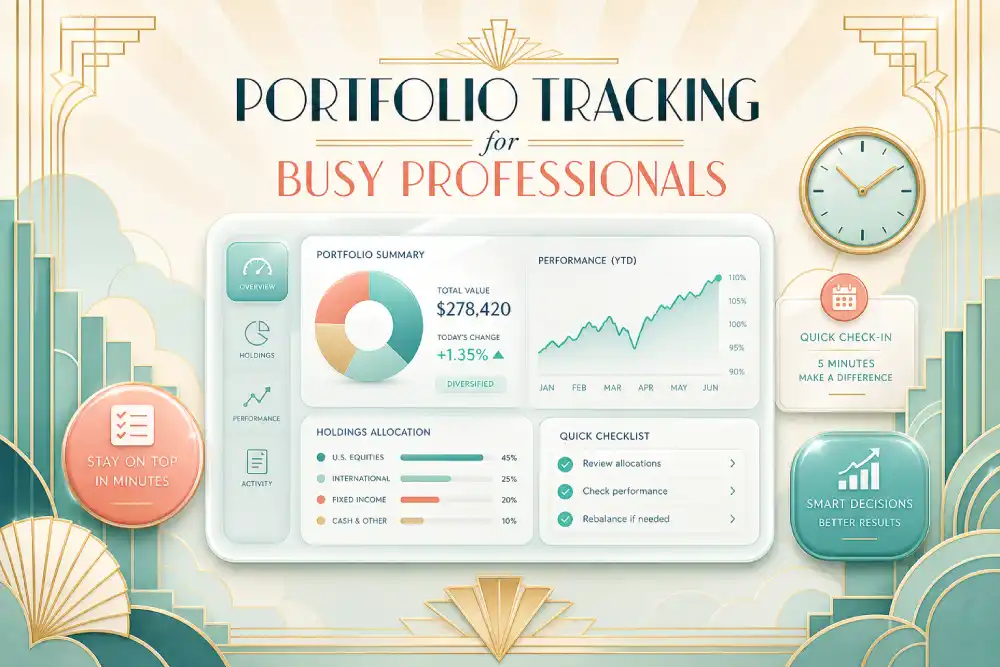
In today’s digital age, investors have access to sophisticated tools that facilitate efficient and effective portfolio management. Reliable Portfolio tracking platforms offer real-time insights, comprehensive performance analytics, and advanced risk assessment features. These tools empower investors to monitor their holdings closely, make data-driven decisions, and maintain alignment with their investment strategy.
For those managing multiple accounts or complex portfolios, centralized dashboards provide significant convenience by aggregating all investments into a single view. Many platforms also offer integrated tax management and automated rebalancing functionalities, which enhance operational efficiency and help maintain the portfolio’s target allocation without manual intervention.
Regularly accessing and reviewing my portfolio allows investors to stay informed about current holdings, track progress towards financial objectives, and quickly identify any deviations from their strategic allocation. Utilizing such technology reduces the cognitive load of portfolio management and supports more consistent, objective investment decisions.
Additional Considerations for a Restful Portfolio
Beyond the fundamental strategies of risk management, asset allocation, and long-term discipline, several additional factors contribute to building a portfolio that investors can truly sleep with. One such factor is understanding the implications of after-hours trading, which can affect portfolio valuations and liquidity. Investors interested in this topic may refer to What After-Hours Trading Means for Your Portfolio for further insights.
Furthermore, tax efficiency plays a critical role in preserving portfolio gains. Strategic placement of assets within tax-advantaged accounts and awareness of capital gains implications can enhance after-tax returns and reduce unnecessary tax burdens.
Lastly, investors should remain vigilant about market trends and economic indicators but avoid the temptation to chase every new opportunity. Focusing on consistent, well-reasoned investment decisions aligned with personal goals fosters a resilient portfolio that stands the test of time.
Summary
Building a portfolio that offers peace of mind is fundamentally about balancing growth aspirations with a conservative approach to risk. By employing rigorous risk management techniques, implementing strategic asset allocation, and maintaining a disciplined long-term investment philosophy, investors can construct a resilient, well-diversified portfolio. Leveraging modern technology through robust portfolio tracking platforms further supports ongoing management and timely adjustments in response to evolving market conditions.
By avoiding overconcentration, interpreting allocation signals thoughtfully, and harnessing strategies such as reinvested dividends, investors position themselves for sustainable success. The ultimate goal is not to chase every market opportunity but to build a portfolio that delivers consistent, reliable returns and the invaluable benefit of peace of mind.
For those interested in exploring tools that facilitate such portfolio construction and management, the article Best Stock Portfolio Trackers In 2026: Why Marketlog Outperforms The Rest offers an in-depth look at leading platforms designed to empower investors in achieving their financial goals.