Investing is often perceived as a simple and straightforward activity: purchase assets, watch their value appreciate, and enjoy the resulting profits. However, this common perception rarely reflects the true complexity of managing investments effectively. Many investors, including those with years of experience, can be misled about their actual financial progress due to cognitive biases, incomplete or inaccurate data, and inadequate tracking methods. This article delves into the reasons why investors frequently believe they are making money when, in fact, their portfolios may not be performing as well as they think. It also highlights the crucial role of rigorous portfolio tracking in achieving clear and accurate insights.
The Illusion of Profits
It is a widespread phenomenon for investors to maintain a confident outlook about their financial performance without conducting a comprehensive assessment of their entire portfolio. This misplaced confidence often arises from a tendency to focus selectively on positive news or gains associated with individual assets rather than evaluating the aggregate performance. Behavioral finance research has extensively documented that investors tend to pay more attention to their winning stocks while neglecting the underperforming ones. This selective focus is an example of confirmation bias, a cognitive distortion that fosters an illusion of profitability that may not be supported by a balanced view of the entire portfolio.
Additionally, short-term fluctuations in market prices can be highly misleading. Transient price spikes might be mistaken for sustainable gains, but without considering realized profits, transaction fees, taxes, and opportunity costs, these apparent profits often prove to be illusory. An essential distinction must be made between unrealized gains—those reflected only on paper—and realized returns, which have a direct impact on an investor’s net worth. Misunderstanding this difference can cause investors to overestimate their financial success and make ill-informed decisions moving forward.
The Role of Portfolio Tracking
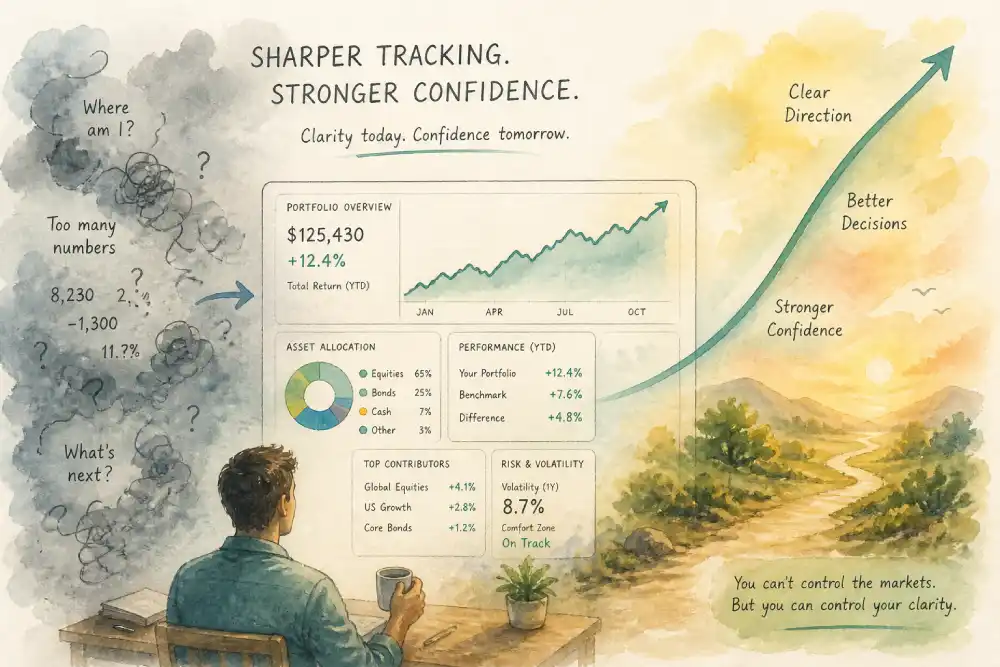
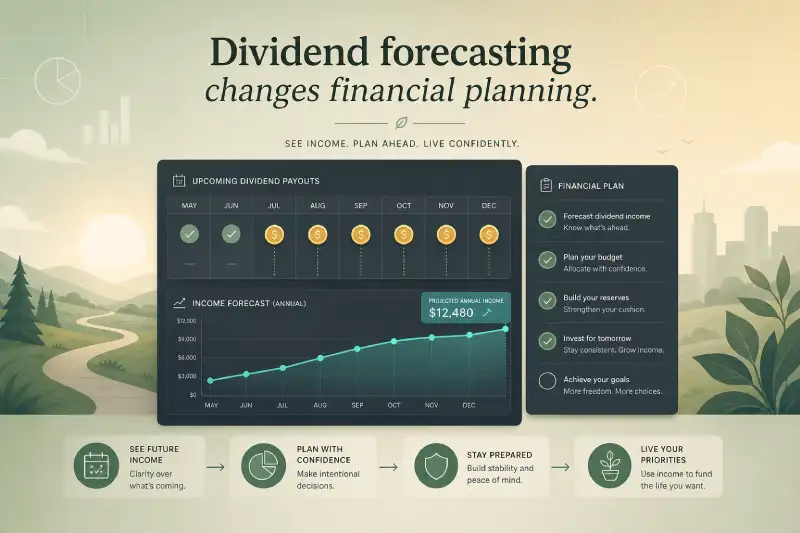
Effective portfolio tracking is fundamental to gaining an accurate understanding of true investment performance. A dependable tracking system consolidates all relevant data including holdings, transaction histories, dividend payments, fees, and tax implications, offering a unified and transparent overview of net returns. Without such a comprehensive system, investors are prone to overlooking hidden losses or underestimating the cumulative effect of costs that gradually erode overall profitability.
Many investors attempt to monitor their investments using fragmented approaches, such as maintaining separate spreadsheets, manually logging trades, or relying on multiple disconnected platforms. This fragmentation often leads to data inconsistencies, errors, and gaps in understanding. As a result, it becomes easier to harbor a false perception of gains that do not withstand scrutiny. Employing a centralized dashboard that aggregates all pertinent data points is therefore essential for accurate and reliable performance analysis.
Behavioral Pitfalls in Performance Analysis
Several behavioral tendencies exacerbate the difficulty investors face in accurately assessing their investment outcomes. The disposition effect, for example, causes investors to prematurely sell winning positions to lock in gains while simultaneously holding onto losing assets in the hope they will rebound. This behavior distorts realized returns by prematurely crystallizing gains on winners while deferring losses on underperformers, thereby inflating the perception of success on winning trades.
Another common cognitive bias is anchoring, where investors fixate on a particular price level or benchmark and fail to update their expectations as new market information becomes available. This fixation can lead to misjudgments about the current value of holdings and oversight of changing market dynamics that materially affect portfolio performance.
Emotional investing, driven by fear of losses or greed for quick profits, often results in reactive decisions that undermine long-term returns. Without objective performance data, investors may rationalize these impulsive decisions as profitable, further reinforcing inaccurate beliefs about their investment success. These behavioral pitfalls underscore the necessity of grounding investment evaluation in rigorous, data-driven analysis rather than subjective feelings or selective memories.
The Importance of Accurate Performance Metrics
Performing a comprehensive review of investment performance demands more than merely observing market prices or headline gains. Several key metrics must be taken into account to achieve a realistic picture of success:
- Total Return: This metric incorporates capital gains, dividends, and interest income to provide a holistic measure of investment growth over time, reflecting the full scope of value generated by an asset.
- Net Return: This figure adjusts total return by subtracting all associated costs such as management fees, brokerage commissions, and taxes. Net return is a more realistic indicator of actual financial benefit realized by the investor.
- Risk-Adjusted Return: This evaluation considers the level of risk undertaken to achieve returns, helping investors determine whether the rewards justify the volatility or potential losses experienced. Common risk-adjusted metrics include the Sharpe ratio and Sortino ratio.
Without carefully analyzing these metrics, investors risk overestimating their portfolio’s performance by focusing exclusively on price appreciation or ignoring the hidden drag of costs and risk exposure.
Leveraging Technology for Clarity
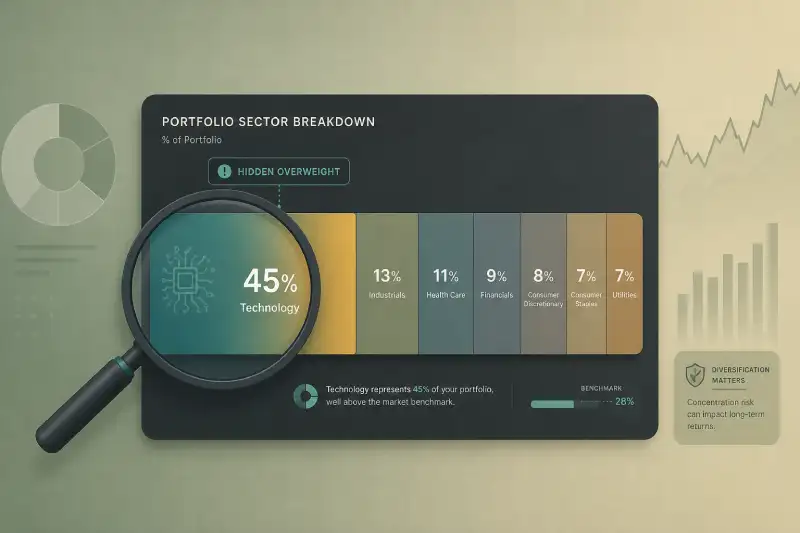
Modern investment platforms offer advanced tools that significantly reduce the challenges associated with accurate performance assessment. By integrating detailed transaction histories, real-time market data, and tax information, these platforms provide comprehensive, up-to-date insights into portfolio health. Many also feature analytics that reveal risk exposures, diversification levels, and performance attribution, enabling investors to identify precisely which assets are driving returns or dragging performance down.
For example, exploring the Best Stock Portfolio Trackers In 2026: Why Marketlog Outperforms The Rest offers valuable insights into the essential features and benefits of top-tier tracking solutions. Marketlog, in particular, stands out by delivering an intuitive, centralized dashboard that enhances transparency and empowers investors to detect underperforming assets and hidden fees that may be eroding returns unnoticed.
Practical Steps to Avoid Misjudging Gains
To avoid the common trap of thinking one is making money when the reality is different, investors should cultivate disciplined habits and adopt effective tools. The following practical steps can help ensure a more accurate understanding of portfolio performance:
- Regularly review performance using a comprehensive tracking tool that accounts for all costs, income, and market changes to avoid surprises and maintain realistic expectations.
- Focus on net returns rather than simply monitoring price changes or headline gains, as net returns provide a true measure of what the investor retains after expenses.
- Maintain a diversified portfolio to reduce risk and smooth out volatility, thereby improving the consistency of returns and reducing the impact of any single underperforming asset.
- Document investment decisions and outcomes to identify behavioral patterns, biases, and mistakes, allowing for continuous improvement in decision-making processes.
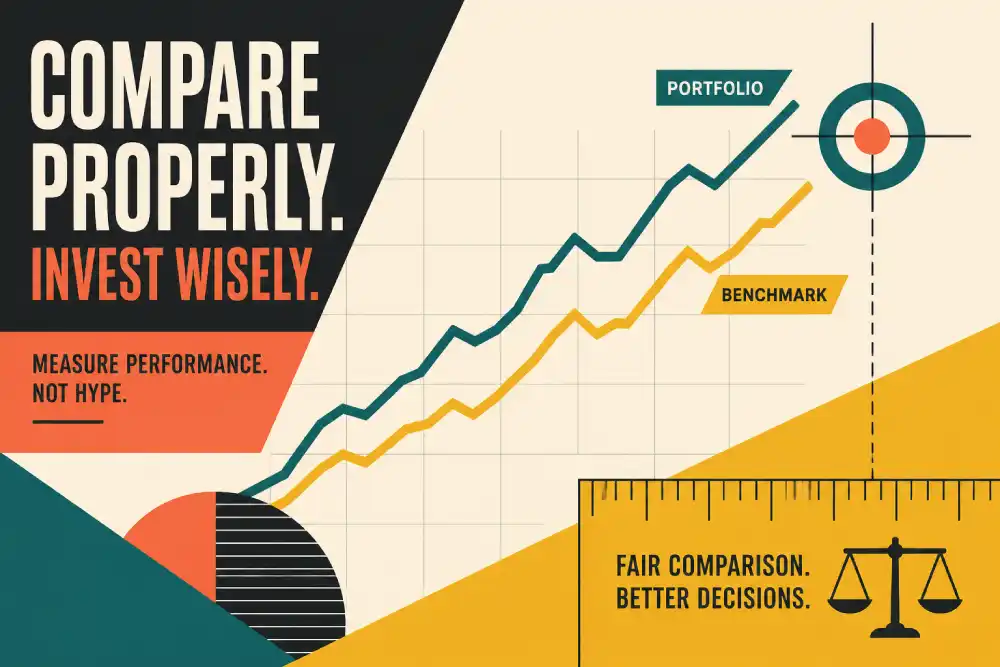
- Set realistic benchmarks and revisit them periodically to objectively assess progress and recalibrate strategies as market conditions evolve.
Conclusion
Successful investing requires more than optimism or selective interpretation of positive signals. Without accurate and consistent portfolio tracking, investors risk confusing temporary price movements or incomplete information for genuine profitability. Understanding the complete picture—including fees, taxes, and risk factors—is essential for meaningful performance analysis and long-term success.
Experienced investors acknowledge that the discipline of monitoring my portfolio through a reliable and integrated dashboard is indispensable. This approach eliminates illusions, uncovers hidden costs, and supports better-informed investment decisions. Ultimately, embracing comprehensive portfolio tracking transforms investing from guesswork into a precise, data-driven endeavor.
For those investing in stocks, the clarity and insights provided by advanced tracking tools are not merely advantageous but essential components of sustainable financial growth and success.