For decades, Excel has been the go-to tool for individual investors managing their portfolios. Its flexibility and familiarity make it a viable option for simple tracking and basic analysis. However, as portfolios grow in complexity, the limitations of spreadsheets become increasingly apparent. This article examines why Excel may no longer suffice for certain investors and how platforms like Marketlog offer a more robust alternative for portfolio tracking and performance analysis.
The Appeal of Excel for Portfolio Management
Excel’s versatility allows investors to create custom templates tailored to their specific needs. It supports a wide range of functions, from simple arithmetic to advanced formulas, enabling users to build personalized dashboards and track their investments according to individual preferences. Many investors appreciate the ability to manipulate data freely, maintain full control over their information, and avoid reliance on third-party services. This sense of ownership and customization is a significant reason Excel remains popular among DIY investors.
Additionally, Excel is widely accessible and familiar to most users, which reduces the learning curve. For those starting with small portfolios or limited transactions, a well-constructed spreadsheet can be both efficient and cost-effective. Excel requires no subscription fees, and many investors already have access through their existing software packages, making it a convenient choice for basic portfolio management.
Inherent Limitations of Excel for Investing
Despite its strengths, Excel presents significant challenges when managing more sophisticated portfolios or conducting detailed performance analysis. One major drawback is the manual effort required to input and update data regularly. Investors must enter trades, corporate actions, dividends, and other events to keep their records current. This manual process is prone to human error, which can lead to inaccurate portfolio valuations, distorted returns, and ultimately misguided investment decisions.
Further complicating matters, Excel lacks real-time integration with market data. Without automated price updates, investors cannot monitor changes in their stocks or overall portfolio value as they occur. This delay can hinder timely decision-making, especially in volatile markets where prices fluctuate rapidly. Investors relying solely on static spreadsheets risk missing critical information that could affect their strategies.
Moreover, Excel is not optimized for handling complex calculations such as tax lot accounting, reinvested dividends, or multiple currencies. Although advanced users can build formulas to approximate these functions, such efforts require a high level of expertise and are often difficult to maintain and audit. Consequently, many investors struggle to accurately compute essential metrics like internal rate of return (IRR) or cost basis, critical elements for evaluating true portfolio performance and tax implications.
Scalability and Security Concerns
As portfolios expand in size and complexity, Excel spreadsheets can become cumbersome and inefficient. Large datasets may slow down file performance, increasing the risk of corruption or crashes. Managing multiple spreadsheets for different accounts or asset classes further complicates the oversight process and can lead to fragmented data that is difficult to reconcile.
Security is another major consideration. Spreadsheets stored locally or shared via email expose sensitive financial information to potential breaches. Unlike dedicated portfolio management platforms, Excel lacks built-in encryption, secure backups, and multi-device synchronization. This absence of robust security features puts investors’ personal and financial data at risk, especially in an age where cyber threats continue to evolve.
Marketlog: Addressing the Gaps
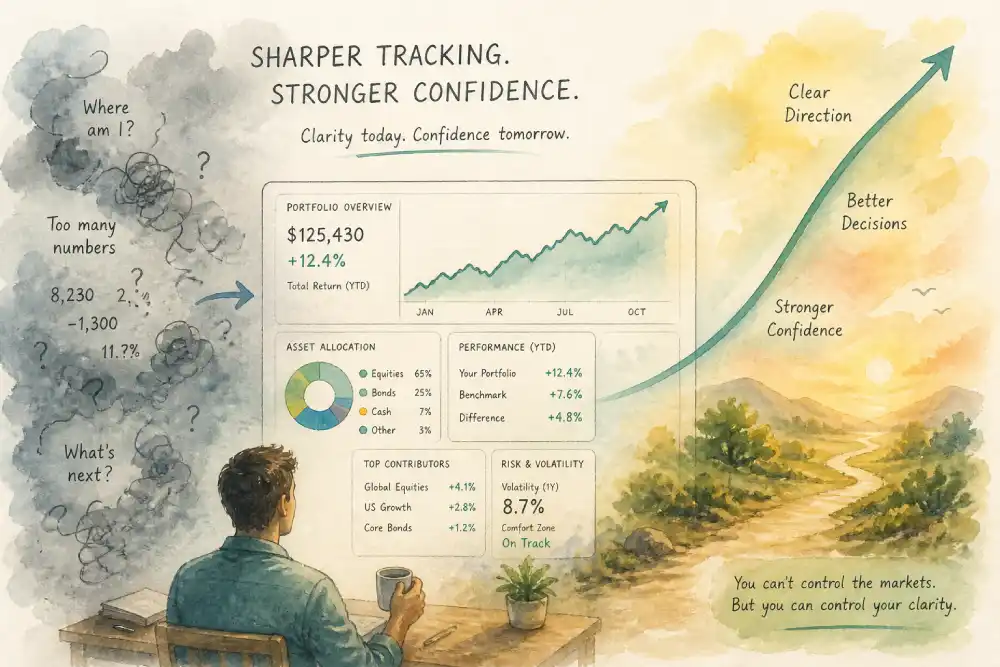
Marketlog offers a specialized solution designed to overcome the constraints of spreadsheet-based portfolio management. It automates data aggregation by syncing directly with brokerage accounts and market feeds. This eliminates the need for manual entry, ensuring that portfolio valuations, transaction histories, and corporate actions are always up-to-date and accurate. By automating these processes, Marketlog reduces the risk of human error and frees investors to focus on strategy rather than data maintenance.
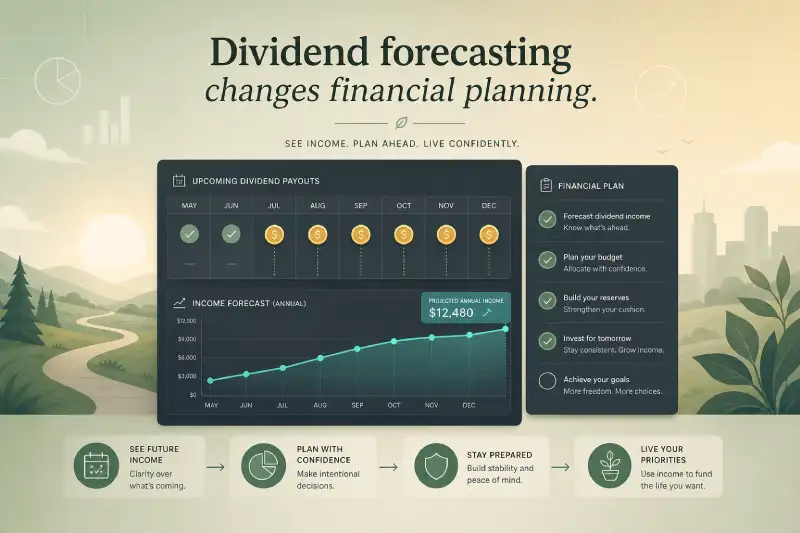
The platform supports advanced performance metrics, including precise cost basis calculations and dividend reinvestment tracking, capabilities that are difficult to replicate reliably in Excel. Tracking dividend reinvestments accurately is crucial, as highlighted in The Silent Power of Reinvested Dividends, because it can significantly enhance long-term portfolio growth. Marketlog simplifies these complex computations, providing clearer insights into returns and risk exposures without requiring advanced spreadsheet skills.
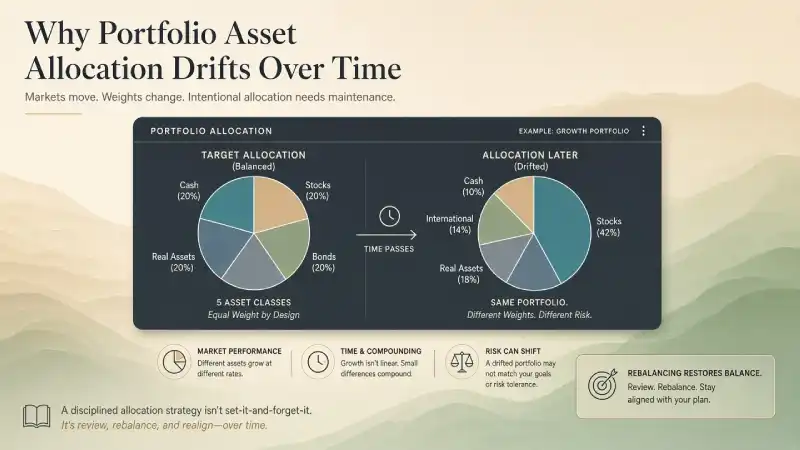
Marketlog also features intuitive allocation charts and customizable reports that make interpreting portfolio composition and performance trends more accessible. Understanding allocation is essential, as described in What Your Allocation Chart Is Trying to Tell You, because it helps investors balance risk and return effectively. These visualization tools aid investors in making informed decisions based on comprehensive analytics rather than raw data, which can be overwhelming and difficult to analyze in spreadsheet form.
From a security standpoint, Marketlog employs robust measures to protect user data, including encryption, secure authentication, and regular backups. It also facilitates seamless access to portfolios across multiple devices, allowing investors to monitor their holdings anytime and anywhere with confidence that their information is secure.
When Spreadsheets Stop Working
For investors managing a handful of positions or conducting occasional portfolio reviews, Excel may remain adequate. However, once portfolio complexity increases, whether through higher transaction volumes, diversified asset types, multiple currencies, or active rebalancing, the spreadsheet approach often becomes inefficient and error-prone. The time and effort required to maintain accurate records can quickly outweigh the benefits of using Excel.
At this stage, transitioning to a dedicated platform like Marketlog can save time, reduce mistakes, and enhance analytical capabilities. It empowers investors to focus on strategy and decision-making rather than the mechanics of data entry and formula troubleshooting. This shift is particularly important for those who want to accurately track performance, understand the implications of their trades, and optimize their portfolios over time.
Investors interested in exploring alternatives to spreadsheets can learn more about portfolio management options in the comprehensive guide Best Stock Portfolio Trackers In 2026: Why Marketlog Outperforms The Rest. Additionally, gaining a deeper understanding of foundational concepts, such as what cost basis really means, helps investors appreciate the value of accurate tracking tools and the importance of detailed record-keeping for tax efficiency and performance measurement.
Conclusion
Excel has served individual investors well for decades, providing a flexible platform for basic portfolio management. However, its limitations become apparent as portfolio demands grow. Manual updates, lack of real-time data integration, complexity in handling advanced calculations, and security concerns are significant drawbacks that can hinder effective portfolio management.
Marketlog addresses these issues by providing automated, secure, and comprehensive portfolio tracking solutions tailored to the needs of modern investors. Its capabilities in syncing data, calculating advanced metrics, and delivering insightful analytics make it a valuable tool for those seeking to improve the accuracy and efficiency of their portfolio management.
Investors should consider the point at which spreadsheets stop working for their needs and explore platforms designed specifically for investment tracking and performance analysis. For continuous portfolio monitoring and to leverage powerful tools that keep pace with the dynamic nature of financial markets, investors can access my portfolio on Marketlog and experience the benefits of a modern investment management platform.