Investors frequently contemplate the shifts their portfolios undergo during market hours. Gaining a thorough understanding of these fluctuations is vital for effective portfolio management and making well-informed investment decisions. Market hours refer to the specific timeframe when stock exchanges such as the New York Stock Exchange (NYSE) and the NASDAQ are operational for trading activities, generally from 9:30 AM to 4:00 PM Eastern Time on regular trading days. Within this period, the prices of stocks change constantly in response to the forces of supply and demand, breaking news, and prevailing market sentiment.
Intraday Price Movements and Volatility
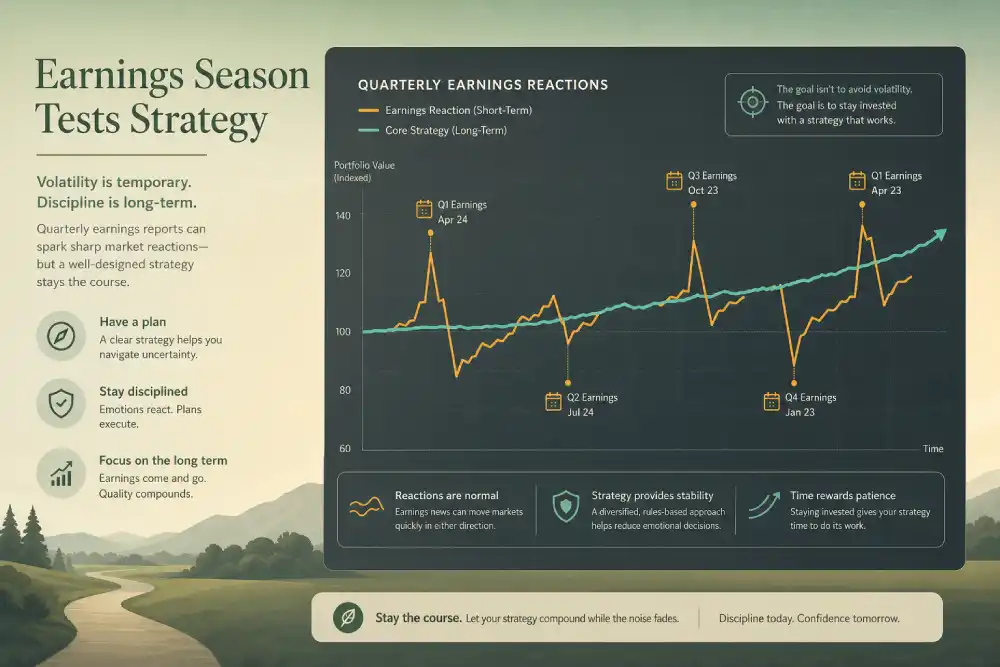
One of the most prominent characteristics of market hours is the continuous fluctuation of stock prices throughout the trading day. These intraday price movements are influenced by a diverse array of factors. Economic indicators and reports such as employment data, inflation figures, and GDP growth numbers can sway investor expectations and cause price adjustments. Corporate earnings announcements and guidance updates often trigger rapid shifts in stock prices as market participants reassess company valuations. Geopolitical events, including international conflicts, trade negotiations, and regulatory changes, further contribute to market dynamics. Additionally, investor sentiment, shaped by fear, greed, and herd behavior, plays a crucial role in driving short-term price volatility.
Volatility is typically more pronounced during the opening and closing hours of the trading day. The market open often sees a surge in activity as traders and institutional investors execute orders accumulated overnight or react to news released before the session started. Similarly, near the market close, participants adjust positions in preparation for after-hours developments and the next trading day. This heightened volatility can lead to rapid and sometimes unpredictable price swings.
For portfolio holders, these intraday price changes directly affect the valuation of their holdings. While active traders attempt to exploit this volatility for short-term profits, long-term investors are generally advised to focus on broader market trends and fundamental company performance rather than reacting to minute-by-minute price changes. Recognizing that price fluctuations during market hours are a normal component of market behavior can help investors avoid emotional responses that might lead to hasty or suboptimal investment decisions.
Real-Time Portfolio Valuation
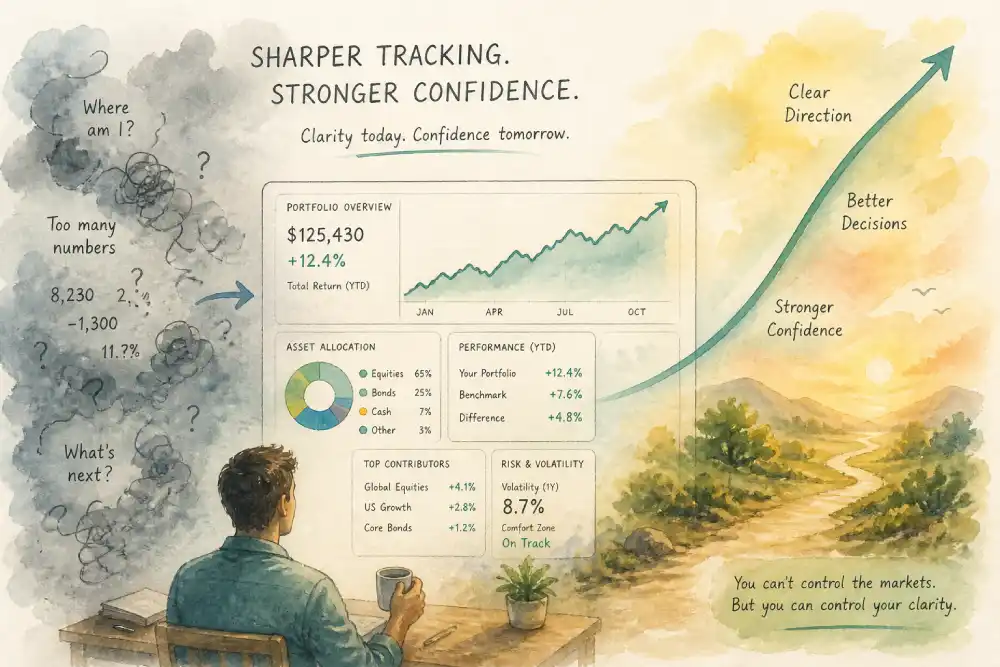
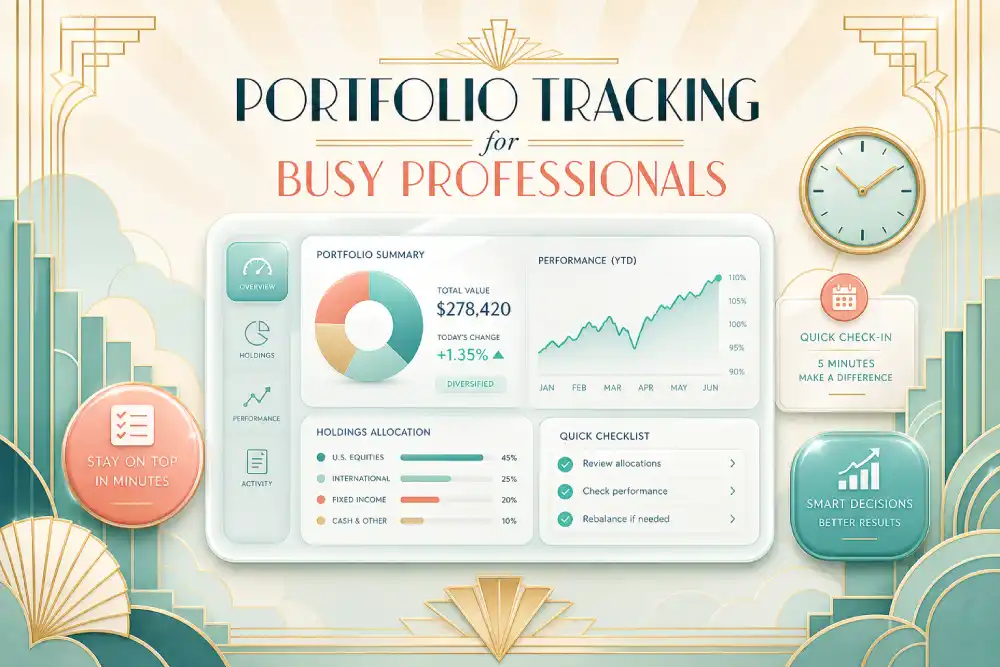
One of the significant advantages of market hours is the ability for investors to observe real-time updates to their portfolio valuations. This live feedback reflects the current market prices of individual securities within the portfolio, aggregated to present the total portfolio value at any given moment. Modern tools designed specifically for portfolio tracking offer detailed insights, including breakdowns of gains and losses, asset allocation, sector weightings, and performance metrics throughout the trading day.
Investors need to differentiate between realized and unrealized gains during market hours. Realized gains occur when an asset is sold, effectively locking in profits or losses based on the transaction price. Unrealized gains, on the other hand, represent the change in market value of holdings that have not yet been sold. The volatility experienced during market hours primarily affects unrealized gains, which can fluctuate significantly before the market closes. Understanding this distinction is crucial for accurate assessment of portfolio performance and tax planning. Investors interested in gaining a deeper understanding of this topic may find the resource Realized vs Unrealized Gains: Why the Difference Matters especially informative.
Market Liquidity and Its Impact
Liquidity is a fundamental aspect of market hours that facilitates the buying and selling of shares with relative ease. High liquidity means that there are ample buyers and sellers in the market, resulting in tighter bid-ask spreads and reduced transaction costs. This environment benefits investors by enabling smoother trade executions at prices close to the quoted market value. Conversely, low liquidity can lead to wider bid-ask spreads, price slippage, and increased volatility, which may adversely affect trade execution and portfolio valuation.
Liquidity tends to be highest during peak trading times, particularly around the market open and close, when trading volumes surge. Midday trading hours often experience reduced liquidity, which can lead to less efficient price discovery. Investors managing my portfolio should be aware of liquidity conditions, especially when dealing with large orders or less frequently traded stocks. Executing sizable trades in illiquid securities can cause significant price movements, potentially impacting the overall portfolio value. Utilizing advanced portfolio-tracking platforms can help investors monitor liquidity levels and make informed decisions to optimize trade execution efficiency.
Behavioral Considerations During Market Hours
The real-time nature of market hours can provoke emotional responses that influence investment behavior. Instantaneous access to portfolio changes may tempt investors into impulsive buying or selling decisions based on short-term market fluctuations. Experienced investors and financial advisors often stress the importance of maintaining discipline and adhering to long-term investment strategies rather than reacting to transient market noise.
Frequent monitoring of portfolio performance during market hours can sometimes lead to overtrading. Excessive trading increases transaction costs through brokerage fees and can trigger adverse tax consequences, such as higher short-term capital gains taxes. Moreover, overtrading may distract investors from their long-term objectives and expose them to unnecessary risks. Striking a balance between staying informed and avoiding excessive portfolio activity is essential for sustainable investment success.
Technology and Portfolio Tracking During Market Hours
Technological advancements have revolutionized the way investors track portfolio performance in real time. Modern portfolio tracking platforms offer a range of sophisticated features, including detailed analytics, customizable alerts, integration with multiple brokerage accounts, and mobile access. These tools empower investors to monitor market movements and portfolio changes without becoming overwhelmed by the volume of information.
For investors seeking reliable and comprehensive solutions, exploring options such as the Best Stock Portfolio Trackers In 2026: Why Marketlog Outperforms The Rest can offer valuable insights. Marketlog, for instance, stands out by combining user-friendly interfaces with powerful analytics, enabling investors to make informed decisions based on real-time data and historical trends. Utilizing such platforms helps investors maintain clarity and confidence even amid volatile market conditions.
Additional Considerations: Exchanges and Cost Basis
Understanding the nuances of different stock exchanges can also be beneficial during market hours. The choice between trading on the NASDAQ or the NYSE, for example, can affect liquidity, price discovery, and trading hours. Investors interested in the distinctions between these exchanges may refer to the article NASDAQ vs NYSE: Why the Exchange Actually Matters for deeper insights.
Another important aspect of portfolio management during market hours involves understanding the concept of cost basis, which determines the original value of an investment for tax purposes. Accurate knowledge of cost basis is essential when evaluating gains and losses, particularly during volatile trading periods. For more detailed information, investors can consult What 'Cost Basis' Really Means in Your Portfolio.
Conclusion
Throughout market hours, a portfolio undergoes continuous value changes driven by stock price fluctuations, market liquidity, and investor sentiment. These movements, while sometimes dramatic, are intrinsic to the trading environment and reflect the ongoing process of price discovery. Investors benefit from leveraging robust portfolio tracking tools that provide real-time performance data, facilitate an understanding of realized versus unrealized gains, and support disciplined investment strategies.
By developing a clear grasp of what transpires during market hours, investors can confidently navigate market volatility and make decisions aligned with their long-term financial objectives. Embracing technology, maintaining emotional discipline, and continuing to educate themselves on market mechanics are key steps toward successful portfolio management in an ever-evolving market landscape.