Investors often find themselves enamored with a single “hero” stock one that outperforms the market, captures headlines, and inflates portfolio returns. While such success stories can be alluring, relying heavily on one stock exposes portfolios to significant risks. This article examines the dangers of concentrating too much capital in a single equity and highlights the importance of disciplined asset allocation and risk management to build a resilient investment portfolio.
The Allure of the Hero Stock
In the world of stocks, standout performers occasionally transform portfolios overnight. These exceptional stocks, often dubbed “hero” stocks, can deliver spectacular gains that far exceed broader market averages. It is tempting for investors to allocate a disproportionate share of capital to these winners, hoping their momentum continues indefinitely and drives outsized portfolio returns. The media’s focus on such success stories only adds to their allure, encouraging investors to place faith in a single company’s prospects.
However, such concentration ignores the inherent unpredictability of individual companies and markets. No matter how promising a company looks on paper or how impressive its recent performance is, unforeseen events, such as market shifts, regulatory changes, technological disruption, or operational failures, can quickly erode value. Even the most celebrated stocks are vulnerable to downturns, and an overreliance on a single equity can expose investors to severe losses if the narrative around that stock changes.
Concentration Risk and Portfolio Vulnerability
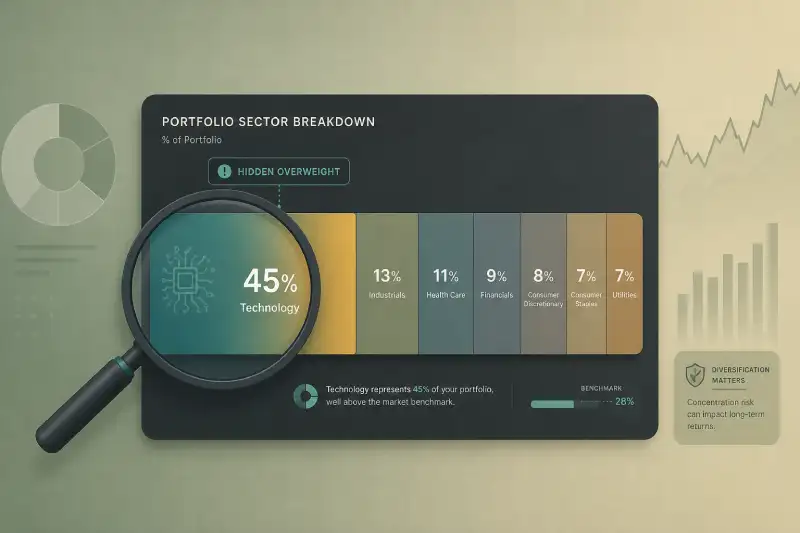
Concentration risk arises when a portfolio lacks diversification and is heavily weighted in one or a few assets. The danger is clear: if that hero stock falters, the entire portfolio suffers disproportionately. Unlike broad market exposure, where losses in one stock may be offset by gains in others, concentrated portfolios face amplified volatility and potential drawdowns that can jeopardize long-term financial goals.
This risk is especially pronounced for individual investors who may not have the resources or expertise to deeply analyze every holding. Emotional attachment to a hero stock can cloud judgment, delaying necessary portfolio adjustments and exposing investors to avoidable losses. When a single stock becomes the centerpiece of a portfolio, investors may ignore warning signs and hold through downturns in the hope of a rebound, compounding losses in the process.
The Role of Asset Allocation in Mitigating Risk
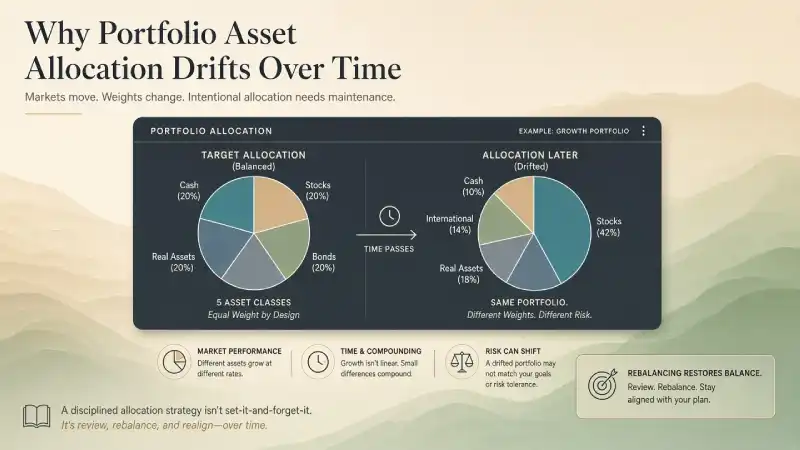
Effective asset allocation is the cornerstone of risk management. By distributing capital across various asset classes, sectors, and securities, investors reduce the impact of any single failure. Diversification does not guarantee profits or protect against losses, but it substantially lowers the risk of catastrophic portfolio damage by spreading exposure across multiple investments that respond differently to market conditions.
Careful attention to allocation charts can reveal unintended concentrations that may have developed over time, especially as some holdings grow faster than others. Investors are encouraged to regularly review their portfolios and reassess allocations to ensure they align with their risk tolerance and investment objectives. For those looking to deepen their understanding, the article What Your Allocation Chart Is Trying to Tell You offers valuable insights into interpreting portfolio distribution effectively.
Portfolio Management Discipline
Successful portfolio management requires discipline, knowing when to take profits, rebalance holdings, and cut losses. The hero stock phenomenon often leads to complacency. Investors may hold on to winning stocks for too long, ignoring signs of valuation excess or deteriorating fundamentals. This can result in missed opportunities to lock in gains or reduce exposure before a decline.
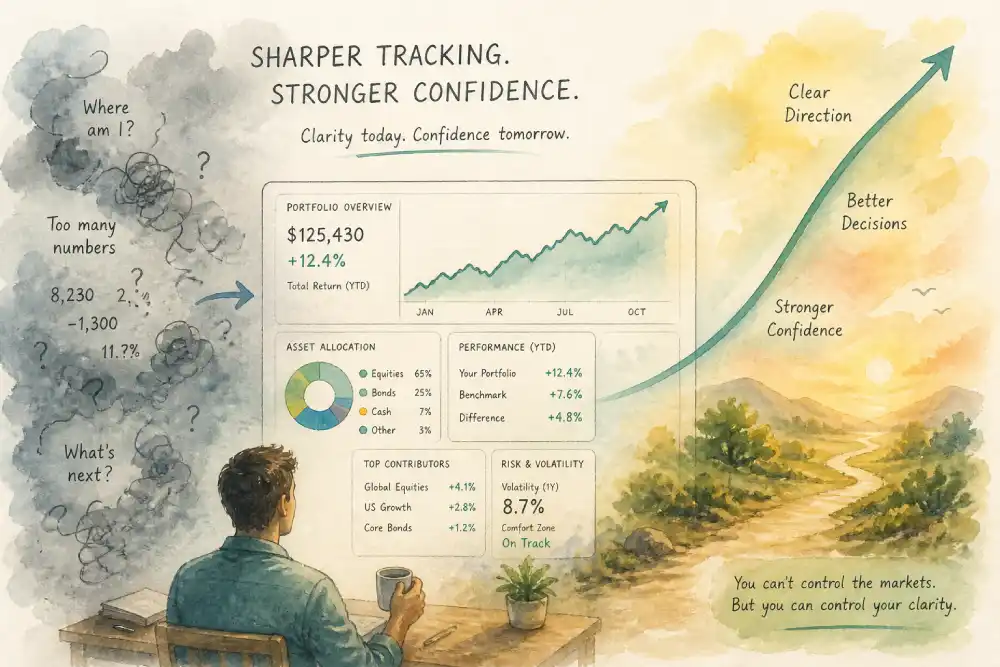
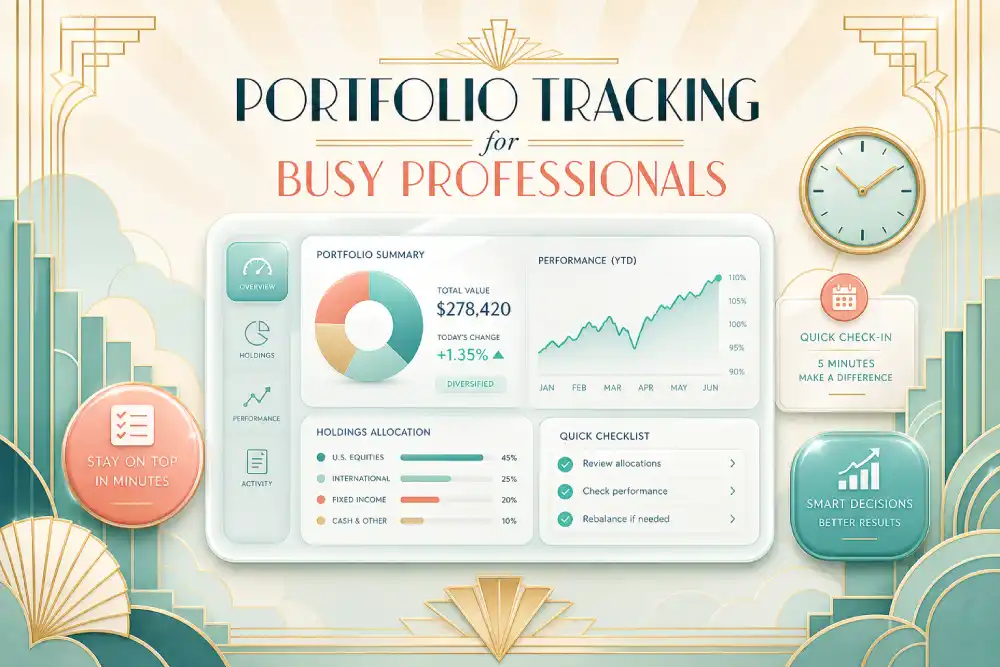
Regular portfolio reviews, supported by reliable tools and data, can help maintain a balanced approach. Utilizing professional-grade Portfolio tracking software enables investors to monitor exposure, evaluate performance, and execute informed decisions systematically. This reduces emotional biases that often accompany concentrated positions and supports a more objective investment process.
Lessons from Market History
Market history is littered with examples where hero stocks lost their luster. The dot-com bubble of the late 1990s and early 2000s saw many high-flying technology stocks collapse, devastating portfolios overly concentrated in those names. More recently, individual companies have experienced steep declines due to competitive pressures, regulatory setbacks, or operational missteps. These episodes reinforce that no company is immune to risks, regardless of past performance or market enthusiasm.
Investors must prepare for such eventualities by maintaining diversified and resilient portfolios that can weather the ups and downs of markets. Learning from history helps underscore the importance of avoiding concentrated bets and adhering to prudent risk management principles.
Practical Strategies to Avoid Overconcentration
- Set maximum allocation limits: Define a ceiling for individual stock exposure, commonly 5% to 10% of the portfolio, to prevent outsized risks from any single holding. This limit helps ensure no one stock can disproportionately impact overall portfolio performance.
- Rebalance regularly: Periodic rebalancing ensures that no stock grows to dominate the portfolio unintentionally. By selling portions of appreciated holdings and reallocating proceeds, investors maintain their targeted risk profile and capitalize on gains.
- Use stop-loss orders or trailing stops: These mechanisms help protect gains and limit losses by automatically triggering sales under predefined conditions. Stop losses can prevent emotional decision-making during market downturns and preserve capital.
- Seek professional tools: Employ advanced Portfolio tracking platforms to gain comprehensive visibility into holdings and risk metrics. These tools assist in identifying concentration risks, monitoring portfolio performance, and supporting better-informed investment decisions.
Integrating Hero Stocks Wisely
It is possible to include hero stocks in a portfolio without undue risk. This requires acknowledging their volatile nature and placing them within a broader, diversified framework that balances growth potential with risk management. Position sizing should reflect the investor’s risk tolerance, investment horizon, and overall portfolio strategy, ensuring that no single stock threatens financial stability.
Moreover, understanding the difference between realized and unrealized gains is crucial when managing large winners. Realized gains occur when an investment is sold, locking in profits, while unrealized gains represent paper profits on holdings not yet sold. Managing these appropriately can impact tax liabilities and portfolio risk. For further information, the article Realized vs Unrealized Gains: Why the Difference Matters provides a thorough explanation of these concepts and their implications for portfolio management.
The Importance of Cost Basis Awareness
Investors should also be aware of their cost basis in hero stocks, which represents the original purchase price adjusted for corporate actions such as stock splits or dividends. Understanding cost basis helps in making tax-efficient decisions when selling shares. For a deeper dive into this topic, the article What 'Cost Basis' Really Means in Your Portfolio offers comprehensive guidance on how cost basis affects portfolio management and tax planning.
The Silent Power of Reinvested Dividends
Another important consideration when managing a portfolio with hero stocks is the role of dividends and their reinvestment. Reinvested dividends can significantly boost long-term returns through compounding, even if the stock price fluctuates. The article The Silent Power of Reinvested Dividends explores how dividend reinvestment can enhance portfolio growth and help smooth volatility over time.
Conclusion
While hero stocks can deliver extraordinary returns, the risks of overconcentration are significant. Investors are best served by adopting disciplined asset allocation, maintaining diversification, and employing rigorous portfolio management practices. Utilizing robust tools for Portfolio tracking and informed decision-making can safeguard portfolios against the pitfalls of betting too heavily on any single stock.
Ultimately, the goal is sustainable growth and risk control, not chasing the illusion of a permanent hero. By balancing ambition with prudence, investors can build resilient portfolios that weather market volatility and achieve long-term success.
For investors seeking to explore the best tools available for managing their portfolios, the article Best Stock Portfolio Trackers In 2026: Why Marketlog Outperforms The Rest offers an in-depth look at solutions designed to help investors maintain diversified, well-managed portfolios.
To review and manage investments effectively, investors can visit their my portfolio dashboard, leveraging technology to stay informed and agile in dynamic markets.