In the world of investing, the size of an account often influences the level of attention it receives. Large portfolios with substantial capital tend to dominate headlines and investor focus. However, small accounts, those with limited initial capital, deserve just as much consideration. Dismissing these accounts as insignificant overlooks the valuable lessons and long-term benefits they offer. Tracking small accounts remains a crucial practice for investors committed to disciplined portfolio management and steady growth over time.
The Importance of Discipline in Small Accounts
One of the primary advantages of managing and tracking a small account is the opportunity to develop disciplined investing habits. When capital is limited, every decision carries more weight because mistakes have a relatively larger impact on the overall portfolio. Investors cannot afford to make careless trades or ignore fees and commissions, which can quickly erode returns in small accounts. This necessity fosters a careful, methodical approach to investment choices that can serve well as the portfolio grows larger. Maintaining a detailed record and monitoring performance regularly encourages accountability and reduces emotional decision-making, which is often the downfall of many investors, regardless of account size.
Compounding Growth Starts Small
Small accounts, when tracked diligently, demonstrate the remarkable power of compounding returns over time. Even modest gains can accumulate into significant wealth if reinvested consistently and allowed to grow without interruption. Understanding the nuances of compounding requires close attention to portfolio details, including dividend reinvestments, capital gains distributions, and the timing of contributions. Resources like The Silent Power of Reinvested Dividends explore this concept in depth, emphasizing its relevance for investors with limited starting capital. Over many years, the impact of these reinvested earnings can be dramatic, turning small accounts into substantial nest eggs with the right strategy and patience.
Learning Through Experience
Small accounts function as effective training grounds for new and intermediate investors. Managing a smaller portfolio allows experimentation with different strategies without risking substantial capital. Investors can test various asset allocation models, diversify holdings across sectors, and evaluate the impact of fees and taxes in a real-world setting. These experiences build a foundation of knowledge and confidence that benefits larger portfolios in the future. Tracking performance meticulously helps identify what works and what does not, enabling continuous improvement. This hands-on learning process proves invaluable as investors refine their approach and develop a personalized investment philosophy.
Tracking Enables Strategic Adjustments
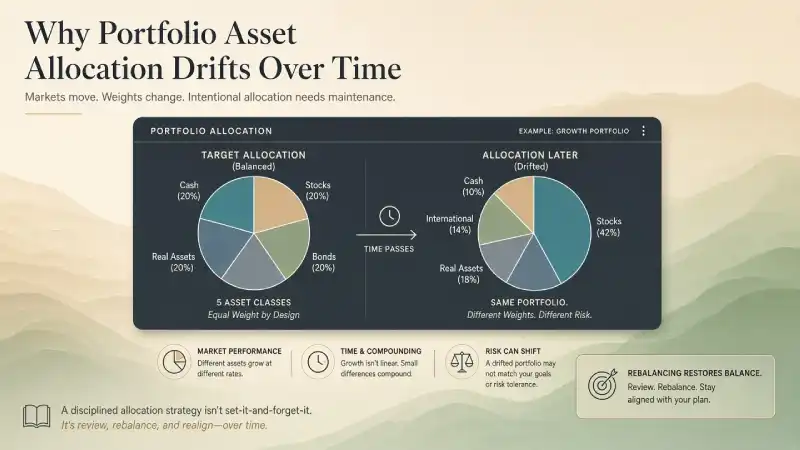
Even small portfolios are subject to market fluctuations, sector rotations, and changes in individual securities. Regular portfolio tracking provides insights necessary to make timely strategic adjustments. For example, identifying underperforming assets or sectors early can prevent disproportionate losses that may have an outsized impact on a small account. Conversely, recognizing strong performers allows for rebalancing to maximize growth potential. Without proper tracking, these opportunities may be missed, reducing overall returns and slowing progress toward investment goals. Diligent monitoring ensures that the portfolio remains aligned with the investor’s risk tolerance and long-term objectives.
Cost Basis Awareness in Small Accounts
Understanding the cost basis of securities is vital for effective tax management and accurate performance evaluation. This concept is important regardless of account size but is often overlooked in smaller portfolios due to perceived simplicity or lack of resources. However, detailed cost basis tracking helps investors minimize tax liabilities, plan for tax-efficient selling strategies, and avoid surprises upon liquidating assets. Small account investors who maintain accurate cost basis records position themselves to optimize after-tax returns. For a comprehensive explanation, investors can refer to What 'Cost Basis' Really Means in Your Portfolio, which delves into the intricacies and benefits of cost basis tracking.
Long-Term Perspective and CAGR
Small accounts benefit greatly from maintaining a long-term investment horizon. Tracking growth metrics such as the Compound Annual Growth Rate (CAGR) offers a clearer picture of performance over time, smoothing out short-term volatility and market noise. This metric aids in setting realistic expectations and measuring progress against investment goals by illustrating the average annual return the portfolio has generated. Understanding CAGR helps investors stay focused on their long-term plan rather than reacting impulsively to market fluctuations.
Technology Enhances Small Account Management
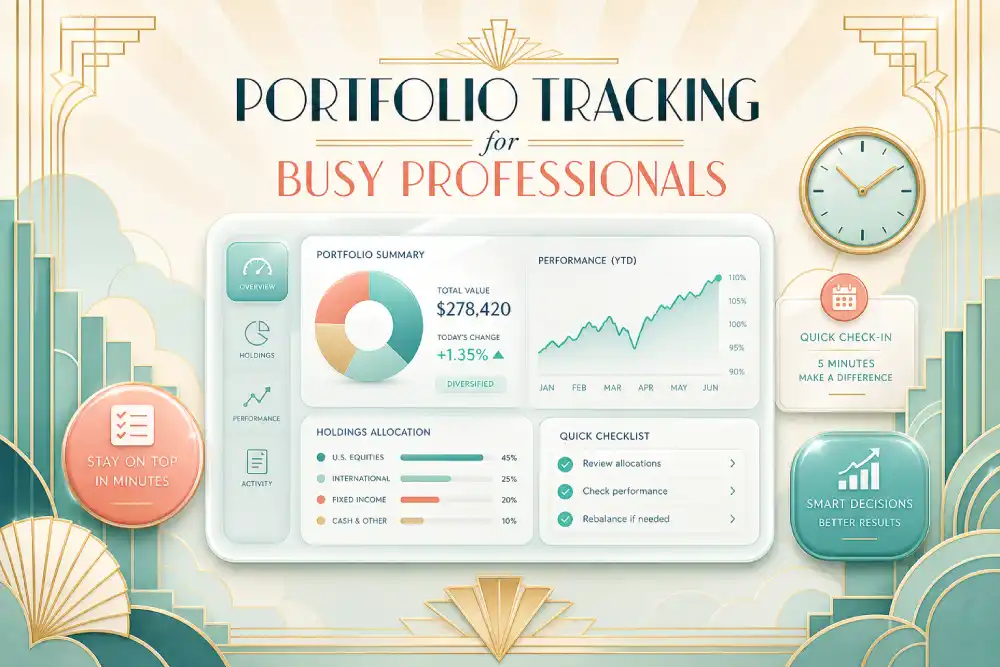
Advances in portfolio tracking technology have leveled the playing field for investors with small accounts. Modern tools offer real-time data, automated calculations, customizable reporting, and even tax tracking features that make it easier to monitor and analyze performance accurately. These platforms reduce the administrative burden and help investors stay informed, enabling more timely and informed decisions. For those seeking reliable solutions, the article Best Stock Portfolio Trackers In 2026: Why Marketlog Outperforms The Rest reviews leading platforms that cater to diverse investor needs, including those managing modest portfolios. Utilizing such tools improves the accuracy and efficiency of managing even modest portfolios, empowering investors to optimize their investment outcomes.
Mitigating Psychological Barriers
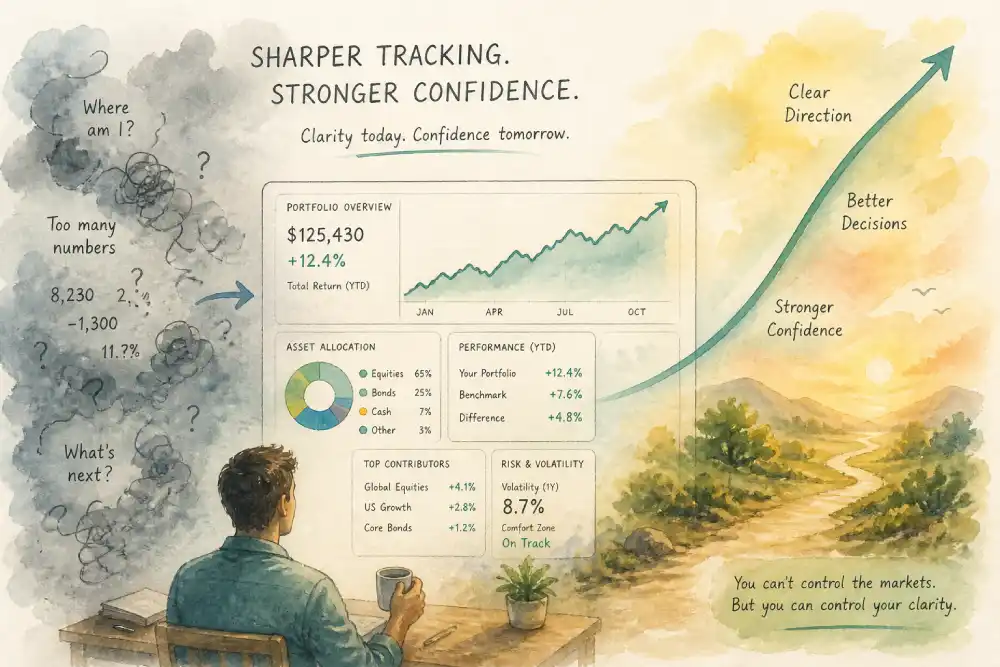
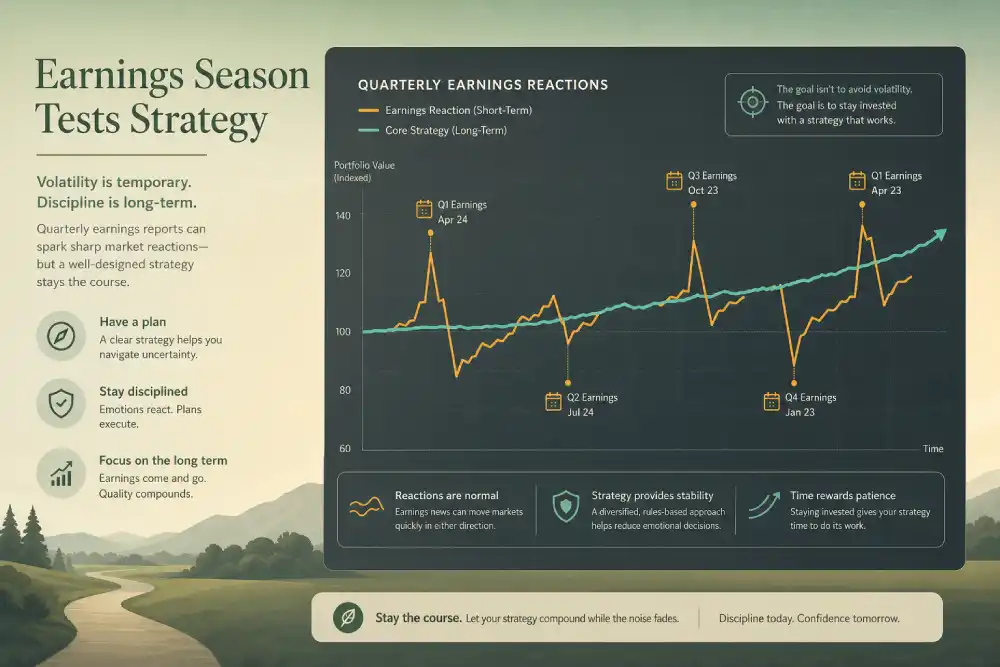
Small account investors often face psychological challenges such as impatience, fear of missing out (FOMO), or discouragement during market downturns. These emotional reactions can lead to premature selling, chasing trends, or abandoning long-term strategies. Systematic tracking helps counter these tendencies by providing objective data that supports rational decision-making. Reviewing historical performance and trends instills confidence and reinforces the value of consistency and patience. This disciplined approach fosters resilience and a commitment to long-term investing principles, which are critical to achieving financial goals regardless of account size.
Practical Tips for Tracking Small Accounts
- Maintain a detailed record of all transactions, including purchases, sales, dividends, and fees, to ensure transparency and accuracy.
- Use digital portfolio tracking tools to automate calculations, generate performance reports, and facilitate tax management.
- Review the portfolio regularly, monthly or quarterly, to identify trends, rebalance holdings, and adjust strategies in response to market conditions.
- Monitor tax implications by tracking cost basis accurately, which can help optimize after-tax returns and prevent unexpected tax bills.
- Set clear, achievable goals aligned with a long-term investment plan, allowing for consistent progress evaluation and motivation.
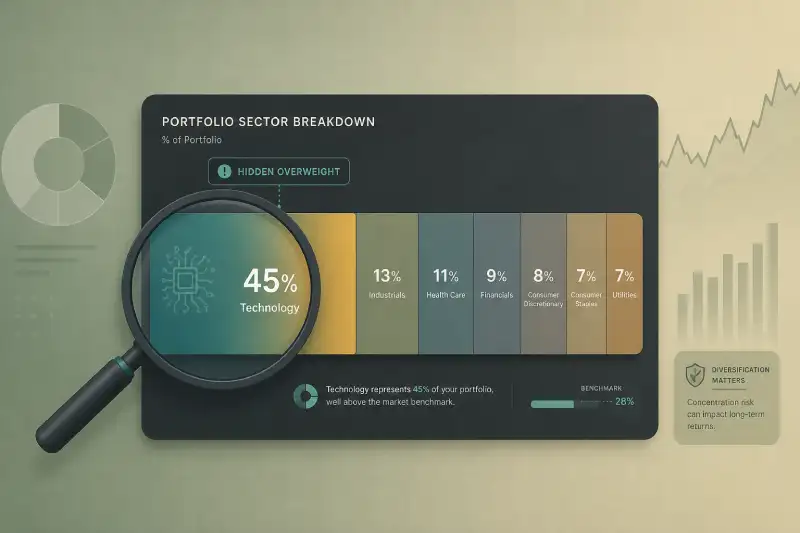
- Consider diversifying across different asset classes and sectors to reduce risk and improve potential returns, even within smaller portfolios.
- Stay informed about market developments and investment best practices through reputable sources and educational materials.
Conclusion
Tracking small accounts is not merely an administrative task; it is a strategic investment in the portfolio’s future growth and the investor’s development. Disciplined monitoring promotes better decision-making, facilitates learning, and enhances the ability to capitalize on market opportunities as they arise. Regardless of size, every portfolio deserves professional management and attention to detail. Investors managing small accounts should embrace portfolio tracking as an essential practice that supports sustainable wealth accumulation and long-term success.
For investors who actively manage their holdings, accessing my portfolio regularly ensures they remain informed and prepared to act as market conditions evolve. Additionally, those interested in expanding their knowledge on related topics may find valuable insights in Why Portfolio Value and Total Return Don’t Match. The discipline and insights gained from tracking small accounts lay the groundwork for effective portfolio management at any scale, enabling investors to build confidence, refine strategies, and ultimately achieve their financial goals.
Moreover, exploring stocks as part of a diversified portfolio can complement small account investing by offering growth opportunities. Combining disciplined tracking with sound investment choices will empower investors to navigate the markets successfully, regardless of the initial size of their account.