In the realm of investing, keeping an eye on one’s holdings is undeniably important. However, a growing trend among investors is the compulsive and frequent checking of their portfolios. This behavior is often driven more by psychological impulses than by sound investment strategies. Such frequent monitoring may lead to unintended consequences that negatively impact decision-making and ultimately, long-term portfolio performance. Gaining a deeper understanding of the psychological factors behind this tendency is vital for investors who aim to maintain discipline and avoid emotional mistakes that can derail their financial goals.
Behavioral Finance and Investor Psychology
Behavioral finance is the study of how cognitive biases, emotions, and psychological influences affect financial decision-making. One prominent bias that contributes to frequent portfolio checking is the desire for constant reassurance. Investors often seek this reassurance to manage the anxiety that arises from uncertain market outcomes. This compulsion to check holdings repeatedly is intensified by market volatility and the natural human inclination to seek control in unpredictable situations.
From a neuropsychological perspective, the act of checking a portfolio can temporarily stimulate the brain’s reward system. When investors observe gains or interpret losses as manageable, they receive a dopamine boost, creating a short-lived sense of satisfaction. Unfortunately, this immediate gratification can encourage repetitive checking behavior but also increases anxiety and impulsive reactions. Such emotional responses can interfere with rational investment decisions and may ultimately reduce portfolio returns.
The Impact of Market Volatility
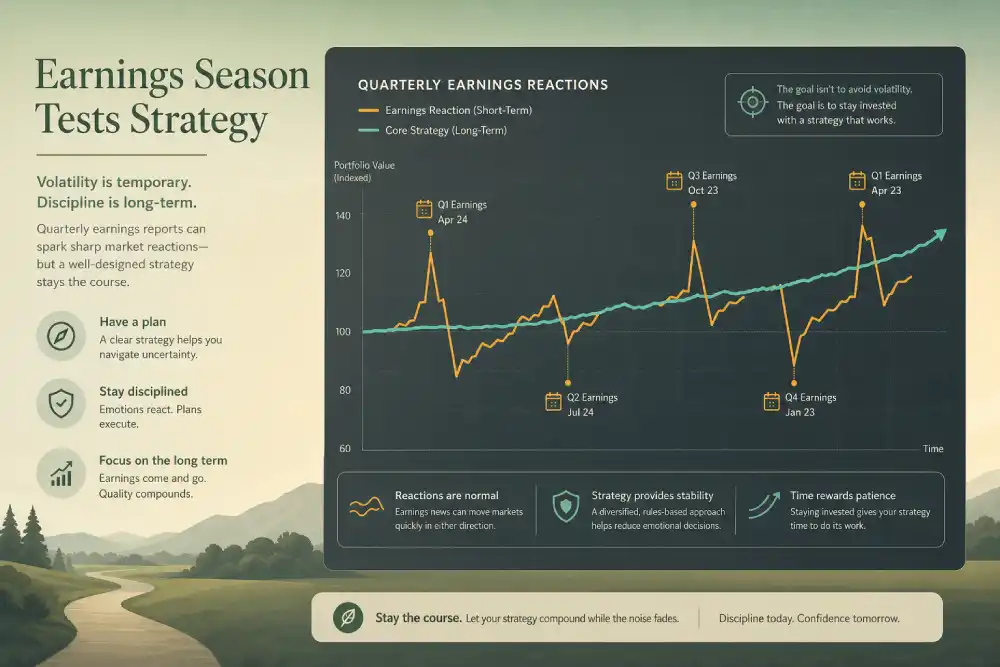
Market volatility is an inherent characteristic of investing, especially in stocks. Prices naturally fluctuate throughout the day, week, and over longer periods. While these fluctuations are normal, constant monitoring can exaggerate an investor’s perception of risk. This heightened sensitivity may provoke emotional responses such as panic selling or excessive trading, both of which can damage long-term performance.
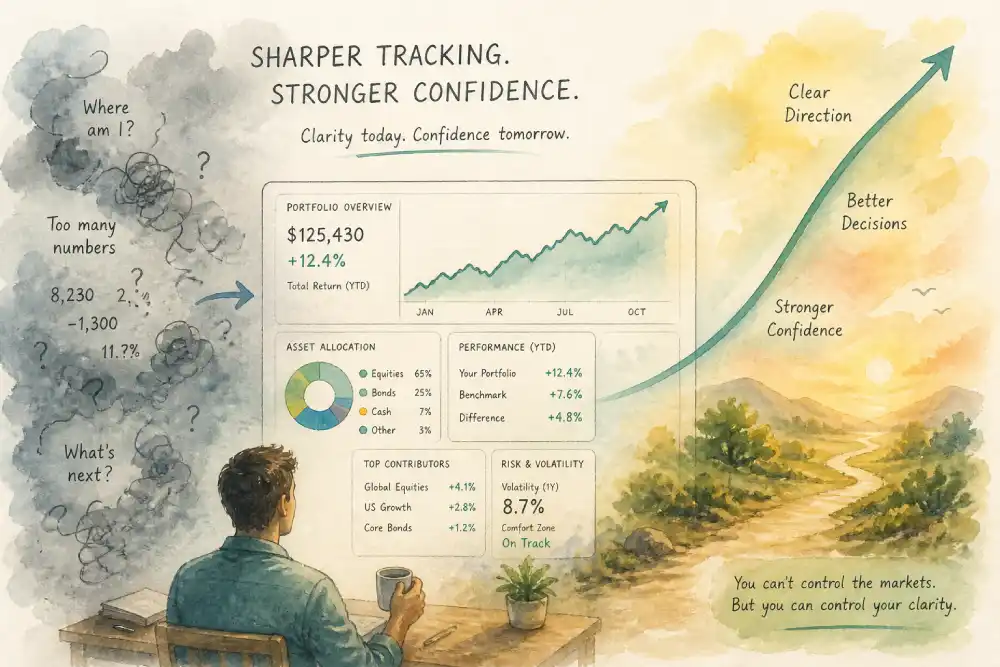
Investors who check their portfolios multiple times daily often respond to market noise rather than meaningful information. Short-term price changes seldom reflect fundamental shifts in company value or economic conditions, but frequent monitoring can lead investors to treat these movements as significant indicators. This reaction can cause them to deviate from their investment plans and make decisions based on fear or greed rather than analysis.
Portfolio Tracking and Its Role
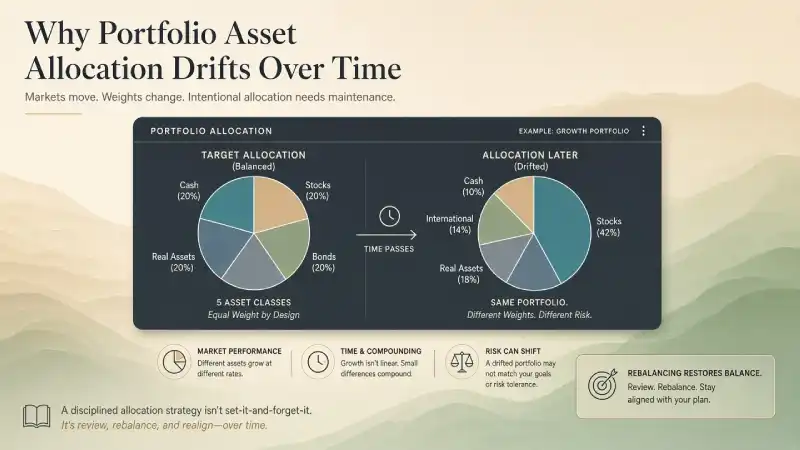
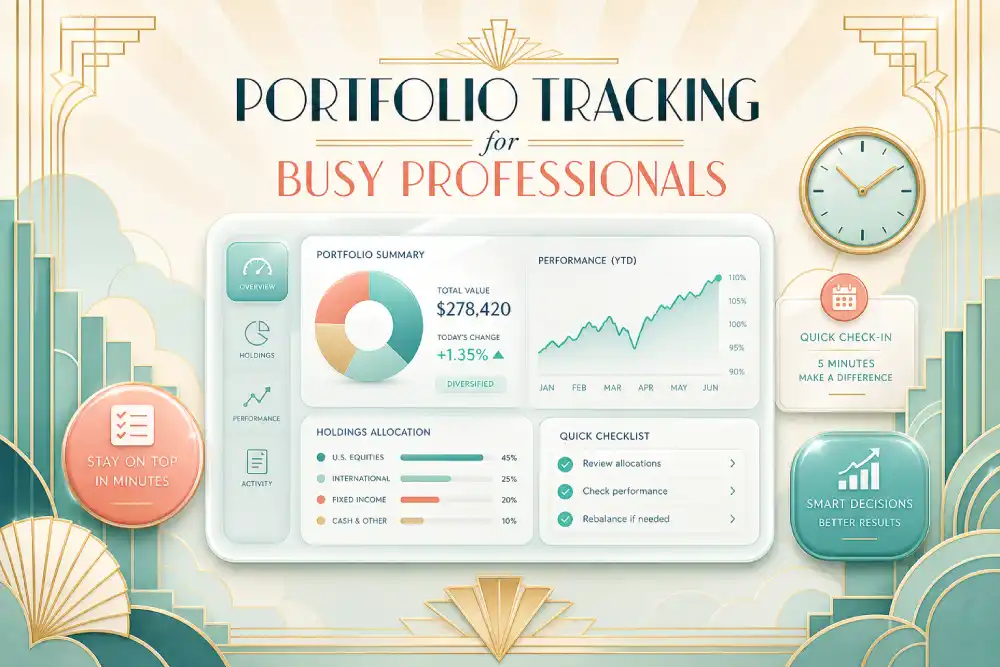
Effective portfolio tracking tools are invaluable for investors aiming to stay informed about asset allocation, performance metrics, and risk exposures. These tools provide transparency and help maintain alignment with financial goals. However, the convenience and immediacy of real-time data access may become counterproductive if investors overuse these platforms. Excessive monitoring can foster anxiety and impulsive behavior instead of promoting thoughtful, disciplined investing.
To maximize the benefits of portfolio tracking, investors are encouraged to establish clear boundaries regarding how often they review their holdings. Periodic assessments, aligned with individual investment horizons and objectives, allow for more objective, long-term focused decision-making. This disciplined approach minimizes emotional disruptions and helps reinforce sound investment strategies.
Why Frequent Checking Can Undermine Investment Success
There are several reasons why overly frequent portfolio monitoring can harm investment outcomes:
- Emotional Decision-Making: Constant exposure to portfolio gains and losses can trigger emotional reactions such as fear and greed. These emotions often prompt investors to stray from their predetermined strategies, potentially resulting in poor timing and suboptimal trades.
- Confirmation Bias: Investors may unconsciously seek information that confirms their existing beliefs or fears, reinforcing unnecessary or impulsive trading behaviors that do not align with their long-term plans.
- Short-Term Focus: Obsessing over daily or even hourly portfolio values detracts from the patient's long-term perspective necessary to benefit from compounding returns and market growth.
- Transaction Costs and Taxes: Frequent buying and selling to react to short-term fluctuations can incur higher brokerage fees and tax liabilities. These costs reduce overall net returns and can have a significant cumulative impact over time.
Strategies to Manage Portfolio Checking Behavior
Seasoned investors and financial advisors recommend practical strategies to help curb the impulse to check portfolios too often:
- Set Scheduled Reviews: Designate specific times for portfolio evaluations, such as weekly, monthly, or quarterly reviews, to avoid constant monitoring and provide structured reflection periods.
- Focus on Goals: Keep long-term financial objectives at the forefront, reminding oneself that short-term price movements are often irrelevant to these goals.
- Use Alerts Wisely: Configure notifications for material events or significant price changes instead of every minor fluctuation, reducing unnecessary distractions.
- Limit Access: Reduce the temptation for frequent checks by logging out of portfolio platforms after reviews or using tools that summarize performance on a periodic basis rather than in real-time.
Understanding Performance Beyond Daily Fluctuations
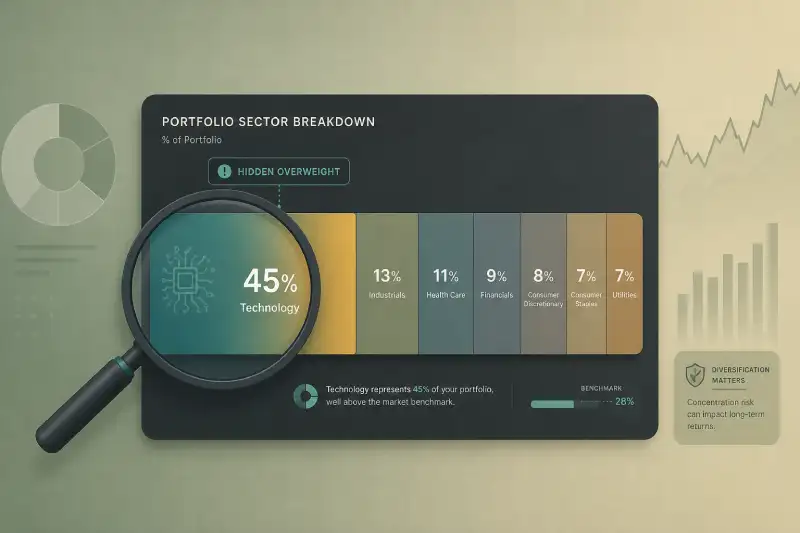
Assessing investment success requires a comprehensive view that goes beyond daily portfolio value changes. Many investors misinterpret their returns by focusing too heavily on short-term gains or losses. Developing a deeper understanding of important metrics such as cost basis, diversification, and risk-adjusted returns is essential for meaningful evaluation.
For further insights into how investors often misread their own returns, the article Why Most Investors Misread Their Own Returns provides valuable explanations and examples. Additionally, gaining clarity on how portfolio values fluctuate during different trading periods can help contextualize movements. Articles like What Happens to Your Portfolio During Market Hours? and What After-Hours Trading Means for Your Portfolio offer a detailed discussion on intraday and after-hours market activity and their impact on portfolio valuations.
The Role of Technology in Portfolio Monitoring
Advancements in technology have greatly simplified portfolio tracking for individual investors. Various platforms now provide real-time data, analytics, and reporting features that enhance transparency and aid decision-making. However, not all portfolio tracking tools are equally effective at encouraging disciplined investing.
Choosing a platform that balances timely information delivery with features designed to support long-term strategies can significantly improve investment outcomes. For those evaluating different options, the article Best Stock Portfolio Trackers In 2026: Why Marketlog Outperforms The Rest highlights key criteria and benefits of a solution tailored for serious investors seeking to maintain control and focus.
Conclusion
The psychological challenge of checking a portfolio too frequently stems from natural emotional responses to uncertainty and market volatility. While it is necessary for investors to monitor their investments, excessive scrutiny can lead to impaired judgment and costly mistakes. Adopting a measured and disciplined approach to portfolio review, anchored in long-term goals rather than short-term price changes, helps safeguard capital and improve investment success.
Investors seeking to implement a more controlled approach to managing their holdings may consider accessing my portfolio on a trusted platform. Such tools offer the right balance of information and discipline to support a confident and successful investing journey.