Dividend yield is a fundamental metric that every investor interested in dividend investing and passive income should understand. It provides a straightforward snapshot of the income generated by an investment relative to its price. Yet, many investors tend to overcomplicate the concept, which often leads to confusion and sometimes poor decision-making. This article aims to clarify dividend yield, how it is calculated, and its practical role in portfolio management without adding unnecessary complexity.
What Is Dividend Yield?
At its core, dividend yield measures the annual dividends paid by a company relative to its current stock price. It is expressed as a percentage and offers insight into how much cash return an investor might expect based on the current market price of the stock. This makes dividend yield a useful tool for comparing income potential across dividend-paying stocks.
The formula to calculate dividend yield is straightforward:
Dividend Yield = (Annual Dividends per Share / Price per Share) × 100%
For example, if a stock pays $3 in dividends annually and trades at $60 per share, its dividend yield is 5%. This simple ratio helps investors compare dividend-paying stocks regardless of their price, providing a quick way to assess income generation potential.
Why Dividend Yield Matters
Dividend yield is a key indicator for income-focused investors because it highlights how much income a stock can generate relative to its market price. This is especially valuable for retirees or anyone seeking supplemental income without needing to sell assets. In this context, dividend yield helps identify stocks that provide consistent cash flow, which can be essential for financial stability.
Beyond income, dividend yield can also serve as a signal of a company’s financial health and management’s confidence in future earnings. Companies that consistently pay dividends and maintain stable yields often reflect strong cash flow and prudent management. However, investors should exercise caution, as an unusually high dividend yield may indicate underlying risks such as a declining stock price or unsustainable dividend payouts.
Therefore, dividend yield should not be the sole factor guiding investment decisions. It is important to consider dividend yield in conjunction with other financial metrics and qualitative factors to form a complete picture of a company’s prospects.
How to Use Dividend Yield in Portfolio Management
Integrating dividend yield into portfolio management requires balance and perspective. Here are some practical tips that investors can use to make the most of dividend yield when managing their portfolios:
- Diversify sources of income: Relying on a mix of dividend-paying stocks across various sectors can help reduce risk. Some industries, such as utilities or consumer staples, traditionally offer higher yields but may also carry cyclical risks. Diversification protects the portfolio from sector-specific downturns.
- Assess dividend sustainability: Looking beyond yield alone is critical. Evaluating payout ratios, earnings stability, and cash flow can provide insights into whether dividends are maintainable. A reasonable payout ratio—typically below 70%—suggests that the company has sufficient earnings to support its dividend payments.
- Combine yield with growth potential: Dividend growth stocks are those that increase their dividend payouts over time. Investing in such companies can provide increasing income that helps offset inflation and enhances total returns. This approach blends current income with the potential for capital appreciation.
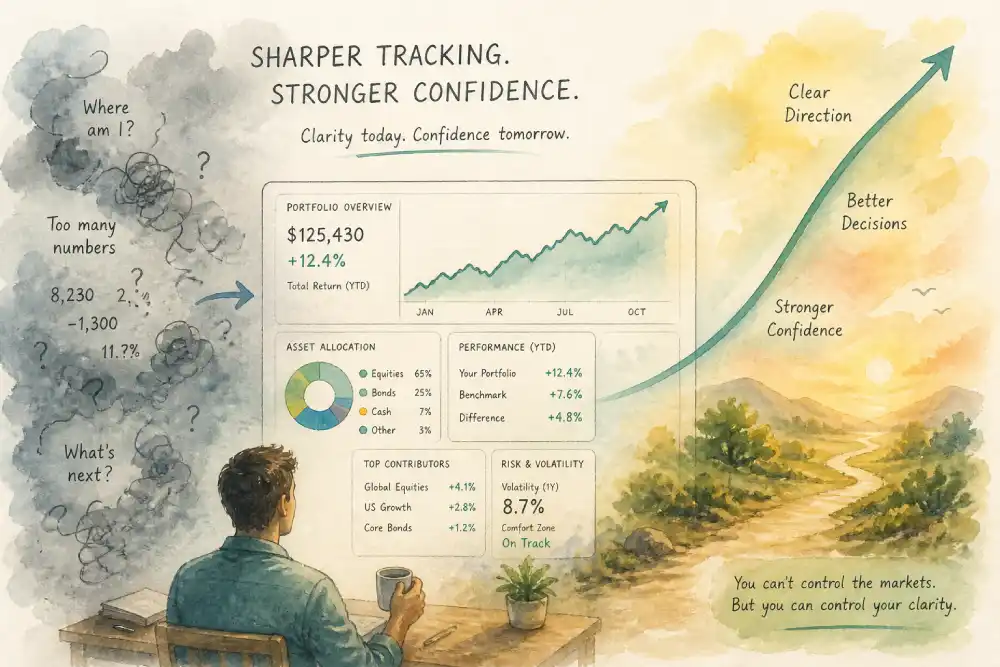
- Track portfolio income regularly: Staying informed about dividend income streams and overall portfolio health is important for effective management. Using reliable tools for portfolio tracking enables investors to monitor income, reinvest dividends, and adjust allocations as needed.
Common Misconceptions About Dividend Yield
Several myths surround dividend yield that can mislead investors and cause suboptimal decisions. Understanding these misconceptions is vital for sound investing:
- Higher yield always means better income: A high dividend yield might result from a falling stock price, which could signal underlying trouble with the company. It is important to investigate why the yield is high before making investment decisions based solely on that figure.
- Dividend yield is fixed: Dividends are not guaranteed and can be increased, cut, or suspended depending on company performance and broader economic conditions. Investors should be aware that dividend yields fluctuate over time.
- Yield alone determines total return: Total return combines capital appreciation and dividends. A stock with a modest yield but strong price growth can outperform a high-yield stock with stagnant or declining prices. Therefore, dividend yield is only one piece of the overall return puzzle.
Dividend Yield in the Context of Investing Basics
Dividend yield is just one piece of the investment puzzle. For those new to dividend investing, it is essential to integrate this metric with a broader understanding of investment principles. Concepts such as cost basis, realized and unrealized gains, and asset allocation play vital roles in building a resilient and well-performing portfolio.
For instance, understanding what cost basis really means helps investors calculate accurate returns, including those generated by dividends. Knowing the cost basis ensures that gains and losses are correctly tracked for tax and performance purposes.
Similarly, distinguishing between realized and unrealized gains clarifies how dividends contribute to overall wealth. Realized gains occur when an asset is sold, while unrealized gains represent the increase in value of assets still held. Dividends, while often separate from capital gains, add to total return and can be reinvested to compound growth.
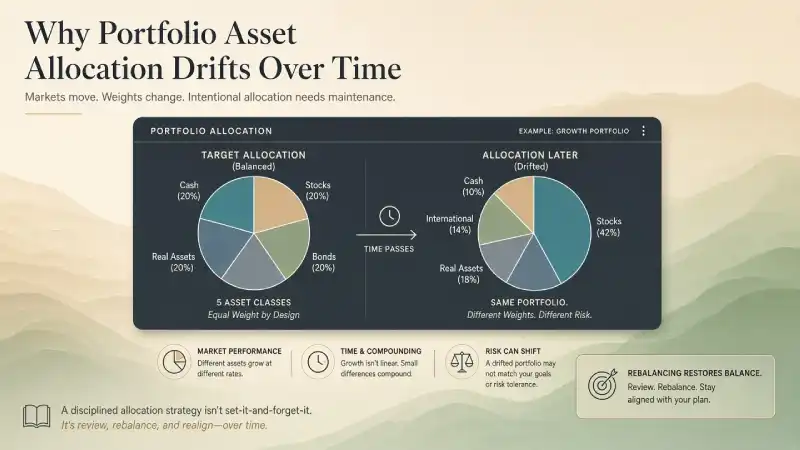
Another important element is understanding what your allocation chart is trying to tell you. Asset allocation, including the proportion of dividend-paying stocks, bonds, and other investments, affects portfolio risk and return. Balancing dividend yield with growth and diversification is key to long-term success.
Tracking Dividend Performance
Effective dividend investing demands regular monitoring and analysis. Investors can benefit from specialized tools like the Dividend Tracker, which offers comprehensive tracking of upcoming dividend payments, historical dividend data, and yield trends. This helps investors plan income and reinvestment strategies more effectively.
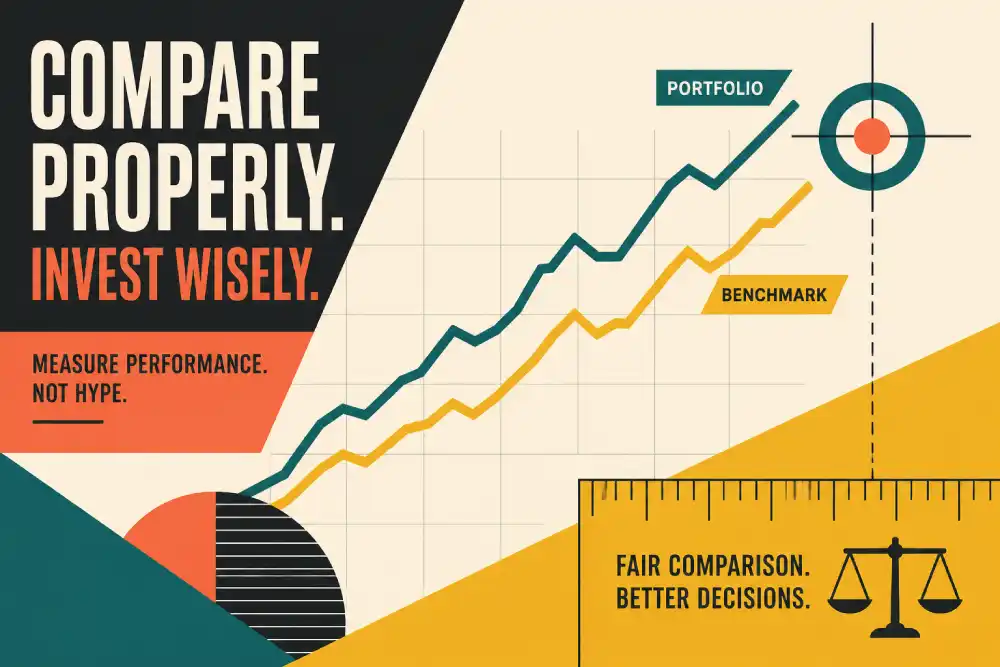
Additionally, integrating dividend data with broader portfolio tracking platforms ensures a comprehensive view of both income generation and capital growth. Accessing my portfolio online allows investors to review real-time updates, performance analytics, and income forecasts. This holistic approach enables better-informed decisions, timely adjustments, and improved portfolio outcomes.
Conclusion
Dividend yield is a valuable, easy-to-understand measure for evaluating dividend-paying stocks. When used correctly, it helps investors identify income opportunities and gauge dividend sustainability. However, it should not be overanalyzed or used in isolation from other important factors. Combining dividend yield with sound portfolio management practices and broader investment knowledge leads to better decision-making and long-term success.
For those looking to deepen their understanding of dividends and portfolio strategies, exploring resources such as The Silent Power of Reinvested Dividends offers practical insights into maximizing returns through dividend reinvestment. Additionally, reading Best Stock Portfolio Trackers In 2026: Why Marketlog Outperforms The Rest provides valuable information on effective portfolio tracking solutions that support dividend investors in achieving their financial goals.