Many investors hold the belief that their portfolios consistently outperform the market or generate impressive returns over time. However, extensive research and practical experience demonstrate that most investors routinely overestimate their investment performance. This common misjudgment stems from a combination of behavioral biases, flawed methods of performance analysis, and inadequate portfolio tracking practices. Gaining a thorough understanding of these contributing factors is crucial for investors who aim to achieve accurate self-assessment and attain long-term success in the markets.
Behavioral Biases Affecting Return Perception
Behavioral finance provides valuable insights into why investors often misjudge their returns. Cognitive biases such as overconfidence and confirmation bias play a significant role in skewing investors’ perceptions. Overconfidence leads investors to believe that their stock-picking abilities or market timing skills are superior to reality, causing them to overrate their portfolio performance. Confirmation bias further compounds this issue by encouraging investors to selectively recall their winning trades while minimizing or ignoring losses.
Another pervasive bias is self-attribution bias, where investors attribute successful outcomes to their own skill and attribute failures to external circumstances beyond their control. This distorted thinking reinforces an inflated sense of competence and can encourage excessive risk-taking based on a false belief in one’s abilities.
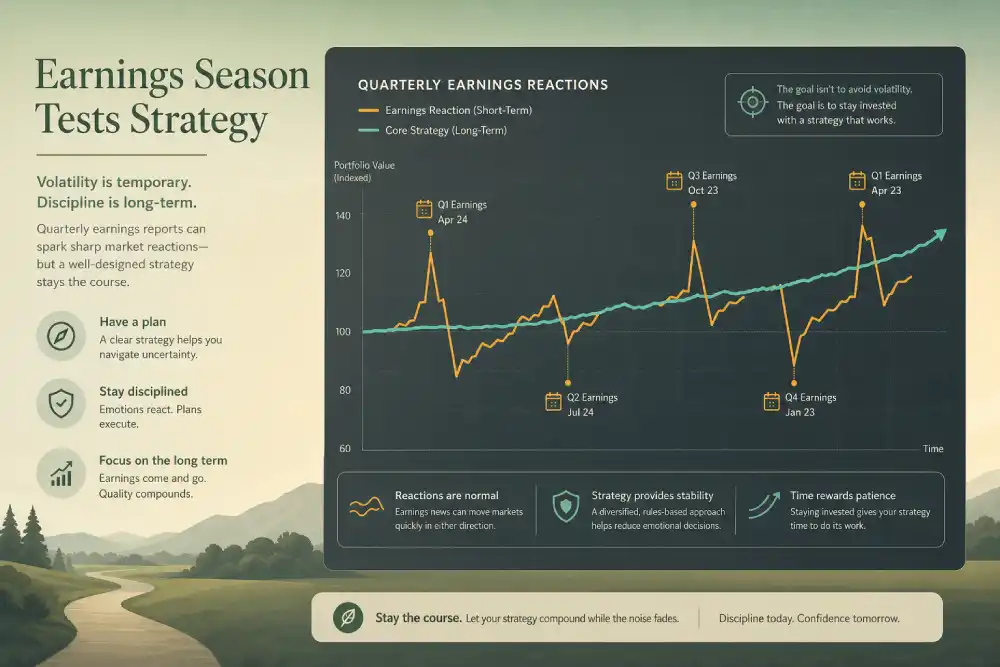
Recency bias also heavily influences how investors perceive their performance. Individuals tend to give disproportionate weight to recent gains, assuming that positive trends will continue indefinitely. This focus on short-term results leads to an overestimation of overall portfolio returns, as it neglects the natural ebb and flow of market cycles and long-term averages.
Inaccurate Performance Analysis Methods
Measuring investment returns accurately is a complex task that many investors oversimplify. A common mistake is calculating returns by merely comparing portfolio values at two points in time without properly accounting for cash flows such as additional deposits or withdrawals. This approach, often referred to as the money-weighted return, can give a misleading picture of true investment performance because it conflates the effects of investment skill with the timing of cash inflows and outflows.
More sophisticated metrics, such as time-weighted returns, isolate the performance of the investments themselves by removing the impact of external cash flows. Although these methods provide a clearer and more objective assessment, they are less intuitive and not widely used by individual investors. For those interested in understanding these concepts better, the article Time-Weighted vs Money-Weighted Returns (Without Math Panic) offers an accessible explanation.
Additionally, many investors misunderstand the concept of cost basis and frequently overlook transaction costs and fees, which further distort return calculations. Without properly accounting for the original purchase price of securities and the expenses incurred during trades, investors may significantly overstate their profits. A detailed discussion of these issues can be found in What “Cost Basis” Really Means in Your Portfolio.
The Role of Portfolio Tracking in Accurate Return Assessment
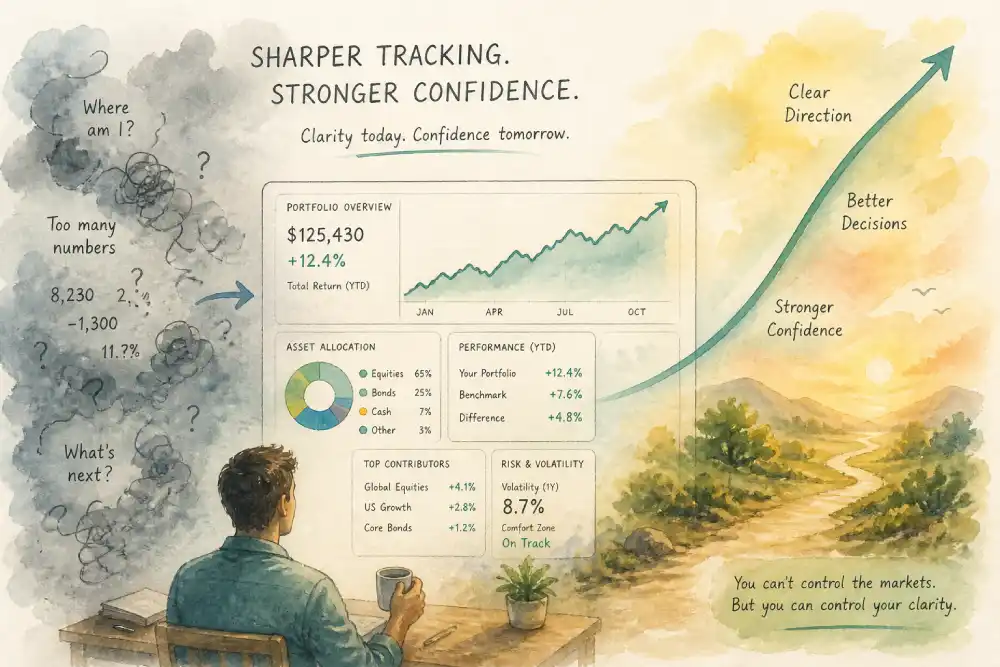
Accurate and diligent portfolio tracking is essential for investors to truly understand their investment returns. Many investors rely on memory or informal methods of tracking their holdings, which can lead to errors and biased recollections. Using dedicated portfolio tracking tools allows for systematic record-keeping and automates the calculation of returns, thereby reducing the likelihood of human error and subjective bias.
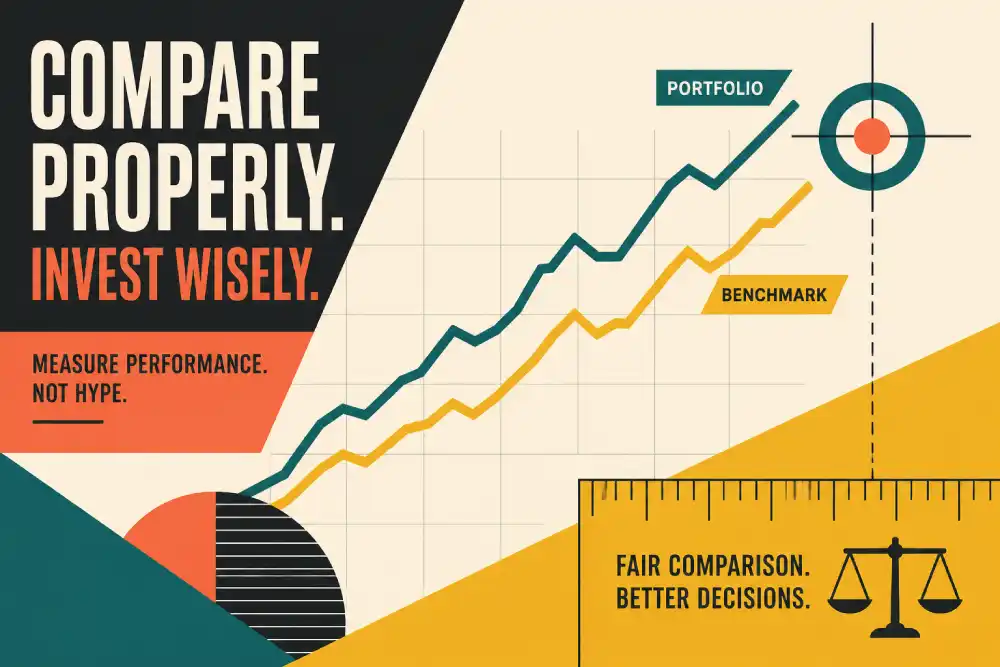
Effective portfolio tracking software enables investors to consistently monitor the performance of their investments and objectively compare results against relevant benchmarks. This capability helps identify underperforming assets or strategies early, which is crucial for disciplined portfolio management and timely decision-making. Utilizing a reliable platform for portfolio tracking can provide the clarity needed to avoid common mistakes in performance evaluation.
For investors seeking to choose or upgrade their portfolio tracking solutions, comprehensive reviews such as Best Stock Portfolio Trackers In 2026: Why Marketlog Outperforms The Rest offer practical comparisons and highlight key features that enhance accuracy and usability in return analysis.
The Impact of Trading Behavior on Return Overestimation
Investor trading behavior significantly influences the tendency to overestimate returns. Frequent trading often leads to inflated expectations because investors vividly remember their profitable trades and tend to overlook or minimize the impact of losing trades. This selective memory bias paints an overly optimistic picture of overall performance.
Moreover, investors frequently underestimate the psychological and financial impact of transaction costs and taxes. These expenses reduce the net returns they ultimately realize but are easy to neglect without thorough tracking and analysis. Ignoring these factors results in a skewed and overly positive view of portfolio returns.
Chasing recent winners or rotating rapidly through popular stocks without a disciplined investment strategy is another behavior that can contribute to underperformance, despite an investor’s subjective belief that they are achieving success. Detailed tracking and review of one’s trading history can reveal such patterns, helping investors recognize and correct misperceptions about their performance.
Why Investors Should Embrace Objective Performance Evaluation
To counteract the tendency to overestimate returns, investors must embrace objective, data-driven performance evaluation methods. Those who rely on clear, quantitative metrics and consistent tracking are better equipped to make informed decisions and reduce the influence of emotional biases.
Access to transparent and accurate data encourages a realistic understanding of investment results, which is necessary for refining strategies and setting achievable goals. Investors who wish to learn from successful market participants can benefit greatly from resources such as What You Can Learn By Studying The Portfolios Of Established Investors, which provides insights into how experienced investors manage and evaluate their portfolios.
Conclusion
Overestimating investment returns is a widespread but avoidable mistake that can hinder long-term financial success. Behavioral biases, flawed methods of calculating returns, and insufficient portfolio tracking all contribute to this common misperception. By adopting objective tracking techniques and educating themselves on proper return measurement methodologies, investors can gain a more accurate and realistic understanding of their true investment performance.
This clarity fosters better decision-making, helps avoid costly errors, and ultimately supports improved long-term investing outcomes. Leveraging trustworthy portfolio tracking tools and committing to disciplined evaluation practices are essential steps toward obtaining realistic and actionable insights into one’s investment journey.
Investors interested in rigorously reviewing their own performance can access my portfolio to take advantage of advanced tracking and analysis features designed to support objective and precise return assessment.