Dividend investing remains a foundational strategy for investors aiming to generate steady income streams while building long-term wealth. By systematically acquiring shares of companies that distribute earnings through dividends, investors can enjoy both passive income and the potential for capital appreciation. However, the process of dividend distribution involves several key dates, namely, the declaration date, ex-dividend date, record date, and payment date, that can often lead to confusion for those new to dividend investing. Understanding these dates is critical for maximizing returns, avoiding common mistakes, and efficiently managing investment portfolios. This article provides a clear and detailed explanation of each dividend date, enabling investors to confidently navigate the dividend payment cycle.
What Are Dividend Dates?
Dividend dates are specific milestones set during the dividend issuance process that investors need to be aware of to ensure they receive dividend payments and properly manage their stock holdings. Each date has a distinct role, marking important events from the initial announcement of the dividend to the actual distribution of cash or shares. Awareness of these dates helps investors make informed decisions about when to buy or sell stocks and how dividends impact overall portfolio performance.
Declaration Date
The declaration date marks the official announcement by a company’s board of directors that a dividend will be paid. On this date, the company discloses key information, including the dividend amount, the record date, and the scheduled payment date. This announcement serves as a formal commitment from the company to distribute a portion of its earnings to shareholders.
Investors and analysts closely watch the declaration date as it provides valuable insight into the company’s financial health and dividend policy. A stable or increasing dividend declared on this date often signals confidence in ongoing profitability. While the declaration date itself does not confer ownership rights or eligibility for the dividend, it sets the timeline for subsequent dividend-related events and allows investors to plan accordingly.
Ex-Dividend Date
The ex-dividend date is arguably the most critical date for dividend investors as it determines who qualifies to receive the upcoming dividend payment. To be entitled to the dividend, an investor must purchase the stock before the ex-dividend date. If the stock is purchased on or after this date, the dividend will be paid to the seller, not the buyer.
This date typically falls one business day before the record date, reflecting the standard two-business-day settlement period for equity transactions. For example, if the ex-dividend date is April 10, investors who purchase shares on April 9 or earlier will receive the dividend. Those who buy on April 10 or later will not be eligible for that dividend.
Understanding the ex-dividend date is essential for investors who focus on dividend capture strategies or who want to avoid inadvertently missing out on expected income. It also impacts share price behavior, as stocks often experience a price adjustment on the ex-dividend date roughly equal to the dividend amount.
Record Date
The record date is the official cutoff date set by the company to determine which shareholders are entitled to receive the dividend. On this date, the company reviews its shareholder register to identify all owners of record who qualify for the dividend payment.
Due to the time required to settle stock trades, the record date usually occurs one business day after the ex-dividend date. Investors do not need to take any direct action on the record date itself; it serves primarily as an administrative checkpoint for the company to confirm shareholder eligibility.
It is important to note that owning shares on the record date alone does not guarantee dividend payment unless the shares were purchased before the ex-dividend date and settled by the record date.
Payment Date
The payment date is the day when the company actually distributes the dividend to eligible shareholders. This date is established at the time of the dividend declaration and usually occurs several weeks after the record date.
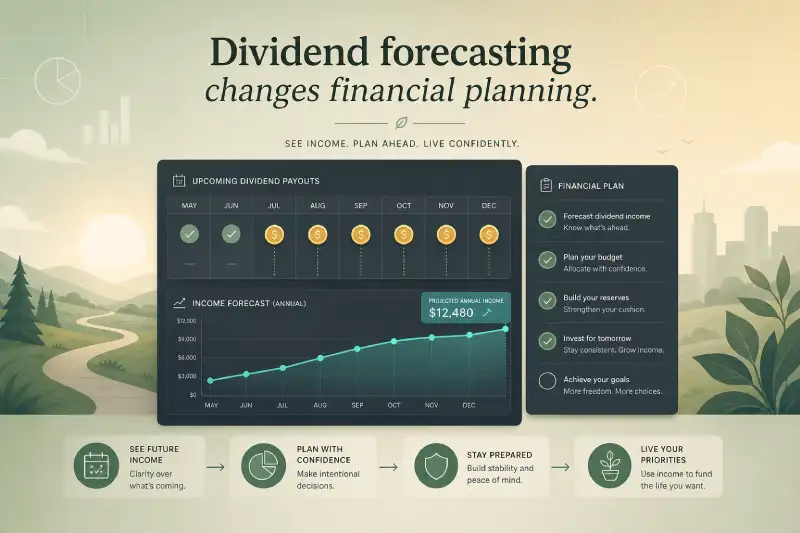
Dividends can be paid in various forms, including cash via check or direct deposit, or through reinvestment into additional shares of the company for investors enrolled in a dividend reinvestment plan (DRIP). The payment date marks the realization of dividend income and is a key consideration for cash flow planning, especially for investors relying on dividends as a source of income.
Why Understanding Dividend Dates Matters
Having a clear grasp of dividend dates is crucial to avoid missing out on dividend payments or encountering unexpected tax consequences. Investors who purchase shares without regard to the ex-dividend date may mistakenly believe they are entitled to the dividend when, in fact, the dividend will be paid to the previous owner. Conversely, selling shares before the ex-dividend date means foregoing a dividend payment that could enhance total investment returns.
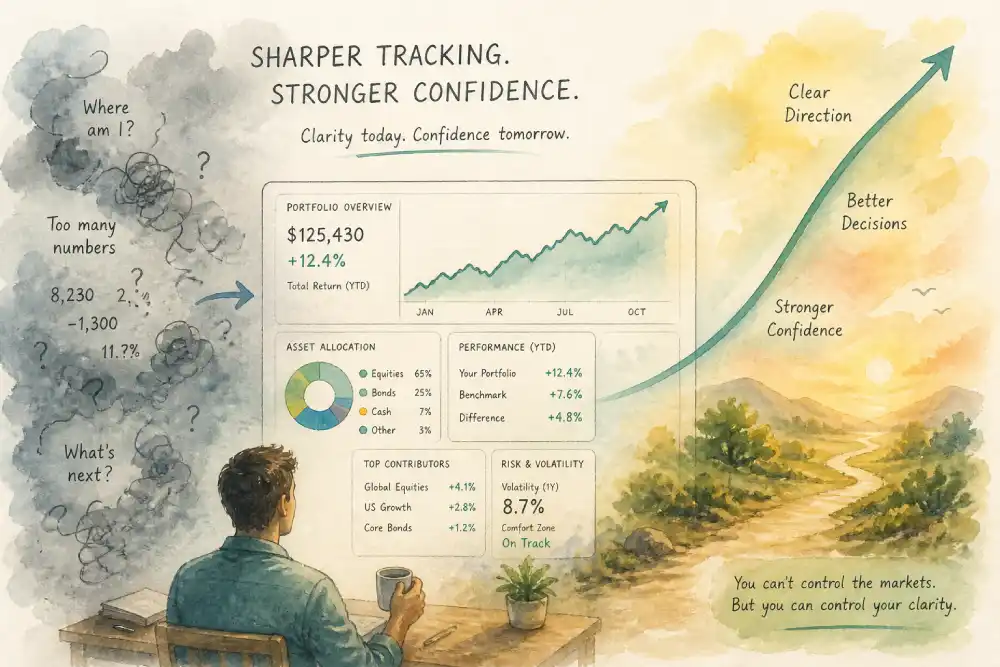
Moreover, dividend dates play an important role in portfolio management and valuation. Investors using reliable Portfolio tracking tools benefit from correctly accounting for dividend income based on these dates. This ensures accurate reflection of income, helps prevent discrepancies in total return calculations, and supports better investment decisions.
For example, understanding why portfolio value and total return figures might not always align can be better appreciated by recognizing the timing and treatment of dividends, as explained in the article Why Portfolio Value and Total Return Don’t Match.
Examples of Dividend Date Impact
Consider an investor interested in capturing a quarterly dividend from a company. To receive the dividend, the investor must purchase shares before the ex-dividend date. If the shares are bought on or after the ex-dividend date, the dividend will be paid to the seller, and the investor will have to wait until the next dividend cycle.
Similarly, an investor focused on long-term growth may choose to participate in a DRIP, automatically reinvesting dividends received on the payment date to purchase additional shares. This compounding effect of reinvested dividends can significantly enhance portfolio growth over time, as detailed in The Silent Power of Reinvested Dividends.
Effective timing around dividend dates also aids in tax planning. Different countries and jurisdictions have varying rules on dividend taxation depending on holding periods and receipt timing, so awareness of these dates helps investors optimize after-tax returns.
Additional Resources for Dividend Investors
Dividend investing is a vital component of a diversified investment strategy, but it benefits greatly from supplementary knowledge and tools. Marketlog offers a range of educational resources and tracking solutions to enhance dividend investing success.
For those seeking deeper insights into dividend metrics, the article "Understanding Dividend Yield Without Overthinking It" breaks down how to evaluate dividend yields effectively without confusion. Additionally, the Dividend Tracker is a powerful tool that simplifies monitoring dividend dates, upcoming payments, and historical income, ensuring investors remain well-informed and organized.
Investors managing multiple stocks can also explore Best Stock Portfolio Trackers In 2026: Why Marketlog Outperforms The Rest to understand how advanced portfolio tracking technology can improve investment oversight and decision-making.
For more comprehensive portfolio management, investors are encouraged to regularly review my portfolio on Marketlog, which integrates dividend dates and other key information to facilitate timely and informed actions.
Conclusion
Mastering the key dividend dates, the declaration date, ex-dividend date, record date, and payment date, is fundamental for dividend investors aiming to optimize income and maintain clarity in their investment activities. Awareness of these dates empowers investors to strategically time their transactions, avoid confusion, and better anticipate cash flows.
Whether the goal is to generate passive income or reinvest dividends for portfolio growth, understanding dividend dates combined with effective Portfolio tracking and ongoing education forms the foundation of disciplined and successful dividend investing. Utilizing tools like Marketlog’s tracking platform and staying informed through educational content ensures investors can confidently manage their holdings and align their portfolios with long-term financial objectives.