Compound Annual Growth Rate, commonly known as CAGR, is a crucial metric that long-term investors rely on to assess how their investments have grown over a period of time. Unlike simple averages that can be skewed by fluctuations in returns, CAGR provides a smoothed, annualized growth rate that accounts for the impact of compounding. This makes it an invaluable tool for gaining a clearer and more accurate understanding of an investment’s true growth trajectory. For anyone serious about portfolio management and performance analysis, mastering the concept of CAGR is essential.
Defining CAGR
CAGR stands for Compound Annual Growth Rate and represents the constant rate at which an investment would have grown if it had expanded steadily over a given timeframe. Essentially, it eliminates the distortions caused by year-to-year volatility by presenting a single annual growth rate that connects the initial investment value to its final amount.
The mathematical formula for calculating CAGR is:
CAGR = (Ending Value / Beginning Value) ^ (1 / Number of Years) - 1
What this formula does is compute the annualized return assuming the investment’s value compounds at a steady rate each year. This approach smooths out the fluctuations so investors can better understand the average growth pace.
Why CAGR Matters to Long-Term Investors
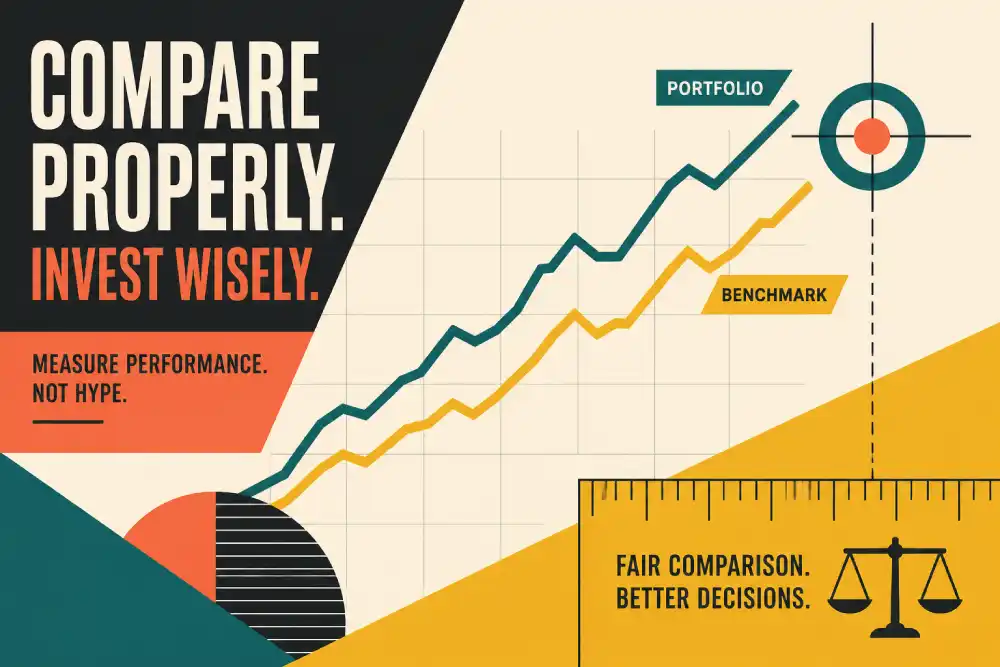
Long-term investing focuses on sustained growth over multiple years rather than reacting to short-term market swings. CAGR serves as an effective metric because it allows investors to gauge how well their portfolio or individual assets have performed over extended periods. This is particularly useful when comparing investments with different holding periods or varying degrees of volatility.
Several reasons explain why CAGR holds particular value for long-term investors:
- Performance Comparison: CAGR enables investors to directly compare the growth rates of diverse investments regardless of how long they have been held. This makes it easier to appraise various stocks or funds on an equal footing.
- Eliminating Volatility Noise: By smoothing out the ups and downs in returns, CAGR prevents short-term market volatility from clouding the overall performance picture.
- Goal Setting and Forecasting: Investors can use CAGR to set realistic return targets and forecast future values of their portfolio based on historical growth trends.
- Assessing Investment Decisions: CAGR serves as a benchmark for evaluating whether particular investments are meeting their intended growth objectives over time.
How CAGR Differs from Other Return Metrics
While CAGR is widely respected for its simplicity and clarity, it is not the only metric used to measure investment returns. Other commonly used metrics include:
- Arithmetic Average Return: This is the simple average of annual returns. However, it does not incorporate compounding effects and can be misleading in volatile markets.
- Total Return: This measures the actual dollar gain or loss, including dividends and distributions, but does not annualize the growth, making comparisons over different periods more difficult.
- Internal Rate of Return (IRR): A more complex metric that accounts for the timing of multiple cash flows like contributions and withdrawals. IRR is often used for investments with irregular cash movements.
Compared to these, CAGR offers a straightforward, annualized return that is easy to comprehend and apply, especially when evaluating investments held over multiple years.
Applying CAGR in Portfolio Management
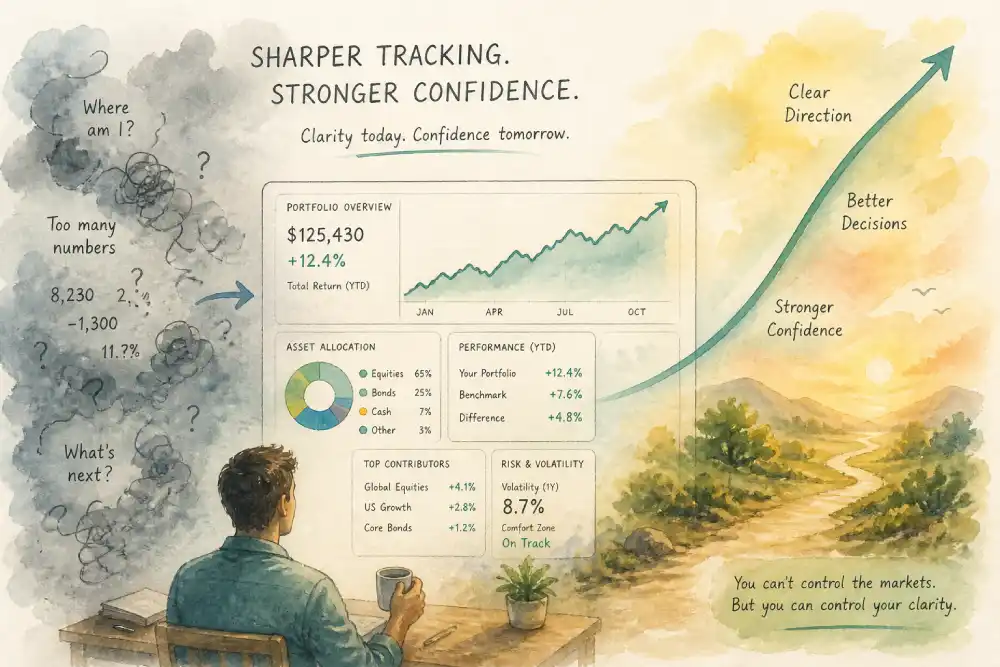
Long-term investors can greatly benefit from regularly calculating CAGR to monitor how their portfolio is progressing. This metric helps identify which assets are the primary drivers of growth and which may be underperforming relative to expectations. When paired with effective portfolio tracking tools, CAGR becomes an integral part of comprehensive performance analysis.
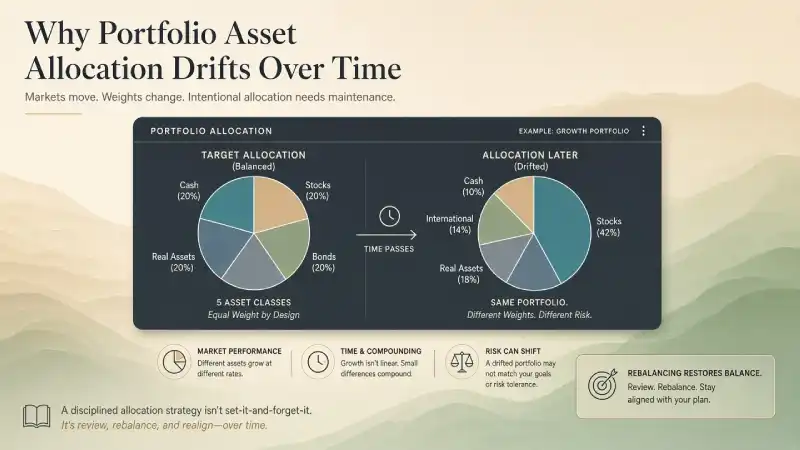
For instance, an investor with a diversified portfolio comprised of various equities and bonds might calculate the CAGR for each asset class separately. Doing so provides valuable insight into which segments contribute most to overall portfolio growth, allowing for more informed decisions on rebalancing or reallocating assets to better align with investment goals, risk tolerance, and prevailing market conditions.
Moreover, CAGR can be particularly effective in evaluating the impact of reinvested dividends. Dividends that are consistently reinvested contribute to compounding returns, thereby enhancing the CAGR of an investment. This aspect is often overlooked but can significantly boost long-term growth, as discussed in the article The Silent Power of Reinvested Dividends.
Limitations of CAGR
Despite its usefulness, CAGR has certain limitations that investors should keep in mind:
- Ignores Volatility: Because CAGR smooths returns, it does not capture the risk or variability of returns during the investment period. This means it may not reflect the full story of an investment’s risk profile.
- Does Not Account for Cash Flows: CAGR assumes no additional investments or withdrawals occur, which is rarely the case in real-world investing where investors often add or remove funds.
- Potentially Misleading for Short Periods: For shorter investment horizons, CAGR can give an unrealistic impression of steady growth when actual returns might have been volatile or uneven.
Consequently, it is advisable for investors to use CAGR in conjunction with other return metrics and qualitative factors to develop a more holistic understanding of their portfolio’s performance.
Using CAGR to Evaluate Investment Strategies
Long-term investors frequently analyze the portfolios of successful market participants to draw insights into effective investment strategies. For those interested in exploring this topic further, the article What You Can Learn By Studying The Portfolios Of Established Investors offers valuable analysis on how CAGR plays a central role in sustained investment success.
In addition, choosing the right tools to monitor portfolio growth is critical. The review Best Stock Portfolio Trackers In 2026: Why Marketlog Outperforms The Rest highlights how advanced portfolio tracking platforms can simplify the process of calculating CAGR and other key performance metrics. These tools empower investors to make data-driven decisions and maintain disciplined investment approaches.
Conclusion
CAGR stands out as an indispensable metric for long-term investors focused on understanding and optimizing the growth of their portfolios. By providing a clear, annualized rate of return that accounts for the power of compounding, CAGR facilitates meaningful comparisons across investments and supports well-informed decision-making. Although it should not be used in isolation, when combined with other performance measures and a disciplined strategy, CAGR helps investors maintain perspective on their progress toward financial goals.
Investors committed to long-term success are encouraged to incorporate regular CAGR analysis into their portfolio reviews. Leveraging sophisticated portfolio tracking tools can further enhance this process by providing up-to-date insights and simplifying performance evaluation. Consistent tracking and a deep understanding of growth metrics like CAGR enable investors to build resilient portfolios designed to withstand market fluctuations and achieve their financial aspirations over time.