After-hours trading has become an increasingly relevant aspect of the stock market for investors aiming to manage their portfolios effectively. Unlike regular market hours, which typically run from 9:30 a.m. to 4:00 p.m. Eastern Time, after-hours trading extends the opportunity to buy and sell securities beyond these conventional boundaries. Understanding the implications of after-hours trading is essential for investors who seek to navigate market volatility and optimize risk management strategies in an ever-changing financial landscape.
The Nature of After-Hours Trading
After-hours trading occurs outside of the standard exchange hours and generally includes the period from 4:00 p.m. to 8:00 p.m. ET. This session allows investors to react to news releases, earnings reports, and other market-moving events that happen after the closing bell. The extension of trading time provides flexibility but also introduces unique challenges that differ significantly from the regular trading environment.
Liquidity during after-hours sessions is typically lower compared to regular hours. This reduced activity can lead to wider bid-ask spreads and increased price volatility. As a result, the execution of trades may not be as efficient or predictable, which investors need to factor into their decision-making process. The limited number of market participants means that prices can swing more dramatically on relatively small volumes, creating both opportunities and risks for portfolio adjustments.
Furthermore, after-hours trading is facilitated mainly through electronic communication networks (ECNs), which match buy and sell orders electronically without the direct involvement of traditional market makers. This structure impacts price discovery and can contribute to less transparency compared to regular trading hours. Investors should be aware that price quotes during after-hours may not always reflect the broader market sentiment accurately.
Implications for Portfolio Volatility
Market volatility often intensifies during after-hours trading due to thinner order books and fewer participants. This environment can result in more pronounced price swings that may not represent the true consensus value of securities. While this volatility offers opportunities to capitalize on rapid price movements, it also elevates the risk of unfavorable fills or unexpected losses.
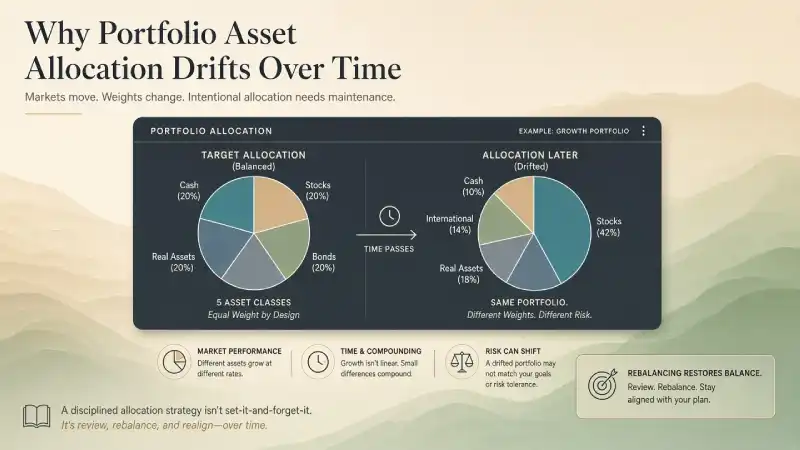
For portfolio managers, understanding how after-hours trading impacts the valuation of securities is critical. Price changes occurring after the official market close can affect the portfolio’s mark-to-market value even before the next trading day begins. This dynamic contrasts with the more stable pricing environment during regular hours, where liquidity is higher and price discovery is more efficient. Consequently, portfolio valuations can fluctuate significantly overnight, influencing risk assessments and decision-making processes.
Moreover, the impact of after-hours price changes can extend to portfolio performance reporting. Investors relying solely on end-of-day prices may experience a lag in reflecting the true value of their holdings, which can affect performance evaluation and rebalancing decisions. Integrating after-hours data into portfolio analysis helps provide a more accurate and timely picture of investment results.
Risk Management Considerations
Given the heightened uncertainty and volatility after hours, risk management strategies must adapt accordingly. Investors should be cautious about placing large orders during these sessions unless they have a clear understanding of the potential liquidity constraints and price behavior. The risk of slippage, the difference between the expected price of a trade and the price at which the trade is executed, tends to increase in this environment.
Stop-loss orders and other automated risk controls typically do not operate outside regular market hours. This limitation means that adverse price movements after hours can lead to unexpected losses that are not mitigated until the market reopens. Therefore, a disciplined approach that incorporates these nuances is necessary to protect the portfolio effectively. Investors should consider setting risk parameters that account for after-hours volatility or avoid relying solely on automated orders during these times.
In addition, investors should be mindful of the potential for increased market manipulation or price distortions during after-hours trading. The reduced volume and limited oversight can sometimes create opportunities for price anomalies, which can be detrimental to uninformed traders. Comprehensive risk management includes staying informed about these risks and employing strategies that reduce exposure to such irregularities.
Strategic Uses of After-Hours Trading
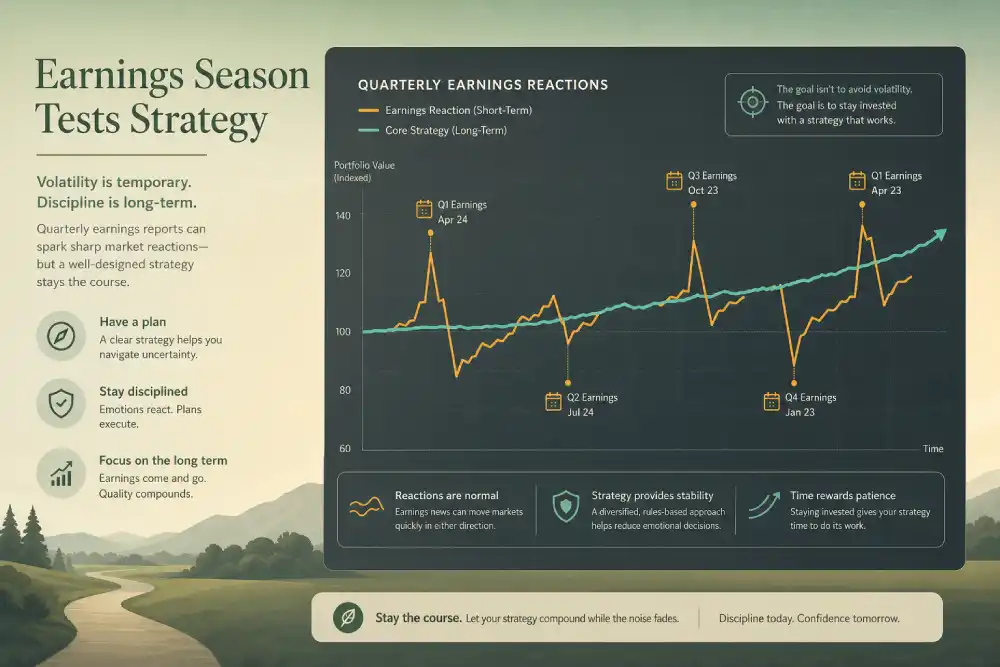
Despite the risks, after-hours trading can be strategically advantageous. Investors who monitor earnings announcements and breaking news can position their portfolios ahead of the opening bell. This proactive stance can capture value shifts before they are fully reflected in regular market prices. For example, a company releasing unexpectedly strong quarterly results after the market closes may see its stock price rise significantly during after-hours trading, offering early entry or exit points to investors.
Additionally, institutional investors and traders may use after-hours sessions to manage their positions discreetly, minimizing market impact during regular hours. This can help in reducing the volatility caused by large trades and improve execution quality. Retail investors can also benefit from the extended hours by reacting promptly to news that may affect their holdings.
However, it is important to balance opportunities against risks. The potential for increased volatility means that investors should avoid impulsive decisions based solely on after-hours price movements. Instead, they should consider these movements as part of a broader analytical framework that includes market fundamentals and longer-term trends. Incorporating macroeconomic factors, sector performance, and company-specific data ensures that after-hours trades align with overall investment objectives.
Impact on Portfolio Tracking
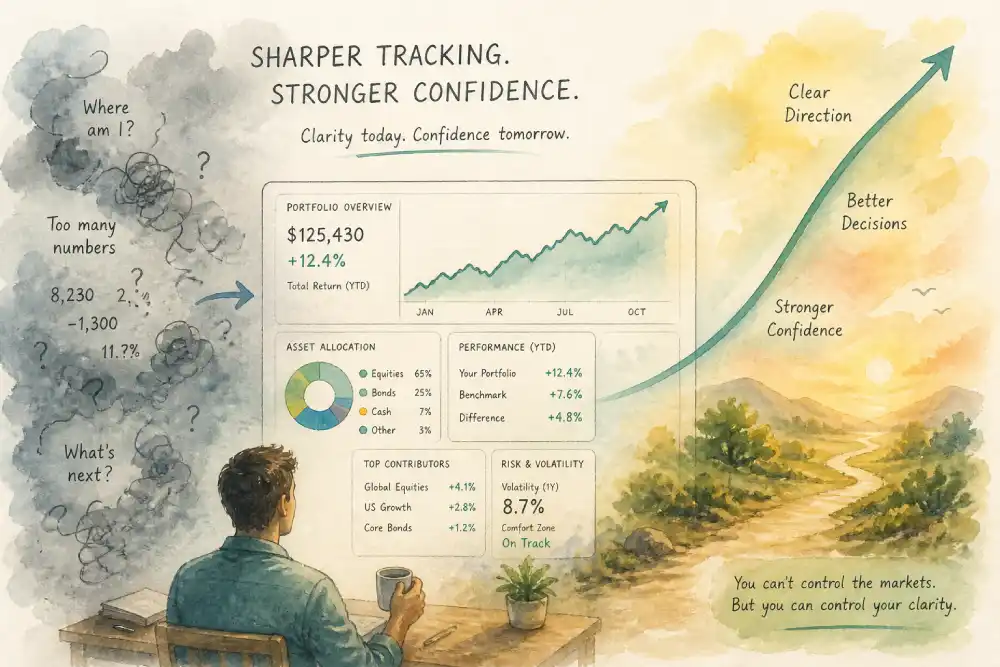
Effective portfolio management requires accurate and timely information. After-hours trading introduces additional complexity to portfolio tracking since valuations may fluctuate outside regular hours. Investors relying on end-of-day pricing may find their portfolio values outdated by the time the market opens, impacting investment decisions and potentially leading to misaligned strategies.
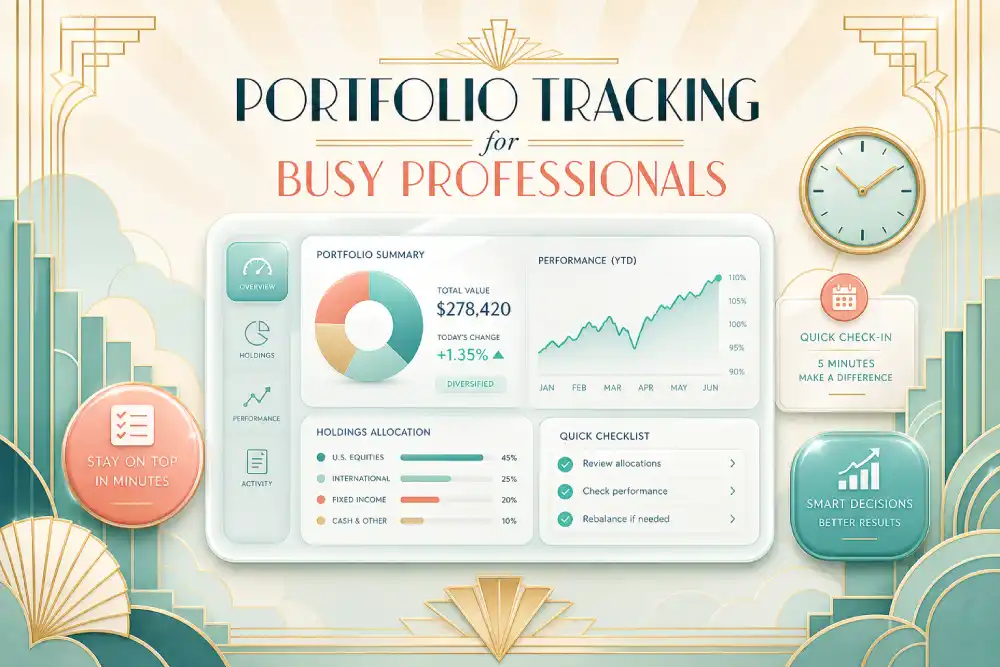
Advanced tracking tools that incorporate after-hours data provide a more comprehensive view of portfolio performance. These tools enable investors to respond swiftly to market developments and adjust their positions accordingly. For those actively engaged in after-hours trading, integrating these insights is essential to maintain an accurate understanding of portfolio risk and return.
Platforms offering real-time updates, extended hours quotes, and comprehensive analytics improve transparency and decision-making. Utilizing such resources allows investors to track changes in stocks and other securities continuously, supporting more informed portfolio adjustments. Furthermore, these tools often include risk metrics and alerts that help manage the increased uncertainty during after-hours periods.
Considerations for Individual Investors
Individual investors should approach after-hours trading with caution. The environment is less regulated, and fewer protections exist compared to standard market hours. Additionally, the lack of transparency and limited price discovery can lead to unexpected outcomes that may not align with the investor’s risk tolerance or financial goals.
Before engaging in after-hours trading, investors should familiarize themselves with their brokerage’s policies and the specific risks involved. Some brokers may impose restrictions on after-hours trading or charge higher fees. Understanding these conditions helps investors avoid surprises and make well-informed decisions.
It is advisable to use after-hours trading as a complement to a well-constructed investment strategy rather than as a primary method of trading. Emphasizing diversification and long-term planning helps mitigate the inherent risks of the after-hours market. For example, investors should avoid concentrating their portfolio in a single “hero” stock that may experience volatile after-hours moves, a phenomenon discussed in The Danger of One “Hero” Stock.
Conclusion
After-hours trading extends the investment horizon beyond traditional market hours, offering both opportunities and risks. For portfolio managers and individual investors alike, understanding the unique characteristics of after-hours trading is vital for effective risk management and informed decision-making. Awareness of liquidity constraints, volatility patterns, and execution challenges ensures that investors can navigate this complex environment prudently.
Integrating after-hours price movements into overall portfolio analysis enhances responsiveness to market events but requires a disciplined approach to mitigate volatility and liquidity challenges. As always, maintaining a diversified portfolio and leveraging robust tools for my portfolio management can help investors navigate these complexities and improve long-term outcomes.
For those interested in further insights on managing portfolios during trading hours, readers may refer to What Happens to Your Portfolio During Market Hours?. To deepen understanding of investment gains, Realized vs Unrealized Gains: Why the Difference Matters is a valuable resource. Additionally, exploring Best Stock Portfolio Trackers In 2026: Why Marketlog Outperforms The Rest offers guidance on advanced tools that support comprehensive portfolio management in all trading conditions.