Understanding the trading hours across global financial markets is crucial for investors who manage diversified portfolios spanning multiple countries and time zones. Each market operates according to its local schedule, and these variations significantly impact liquidity, price discovery, and the overall valuation of assets. Investors and portfolio managers who grasp these nuances can optimize their strategies, improving both portfolio tracking accuracy and asset allocation decisions. This article delves into the complexities of trading hours worldwide and their effects on managing global portfolios.
The Structure of Global Trading Hours
Financial markets around the world operate within defined hours closely tied to their geographic locations and local regulations. For instance, the New York Stock Exchange (NYSE) functions from 9:30 a.m. to 4:00 p.m. Eastern Time. Meanwhile, the Tokyo Stock Exchange opens from 9:00 a.m. to 3:00 p.m. Japan Standard Time, with a lunch break in between, and the London Stock Exchange runs from 8:00 a.m. to 4:30 p.m. Greenwich Mean Time. The Australian Securities Exchange in Sydney also follows its own schedule, typically from 10:00 a.m. to 4:00 p.m. local time.
These staggered trading sessions create a continuous global market cycle where at any given moment, some markets are active while others are closed. This dynamic impacts the way investors approach international stocks and securities. Understanding when each market opens and closes allows investors to better time their trades, anticipate liquidity levels, and respond promptly to global economic news.
For example, the overlap between the London and New York trading sessions, often called the “overlap,” is known for increased trading volume and volatility due to the convergence of market participants from both regions. Recognizing these overlaps can provide strategic opportunities for executing trades with enhanced liquidity.
Implications for Portfolio Tracking
Tracking a portfolio with holdings across different markets introduces challenges because asset prices update asynchronously, reflecting the opening and closing times of their respective exchanges. This asynchronicity means that the reported portfolio value at any given moment may not represent the most current market conditions, especially when some markets are closed.
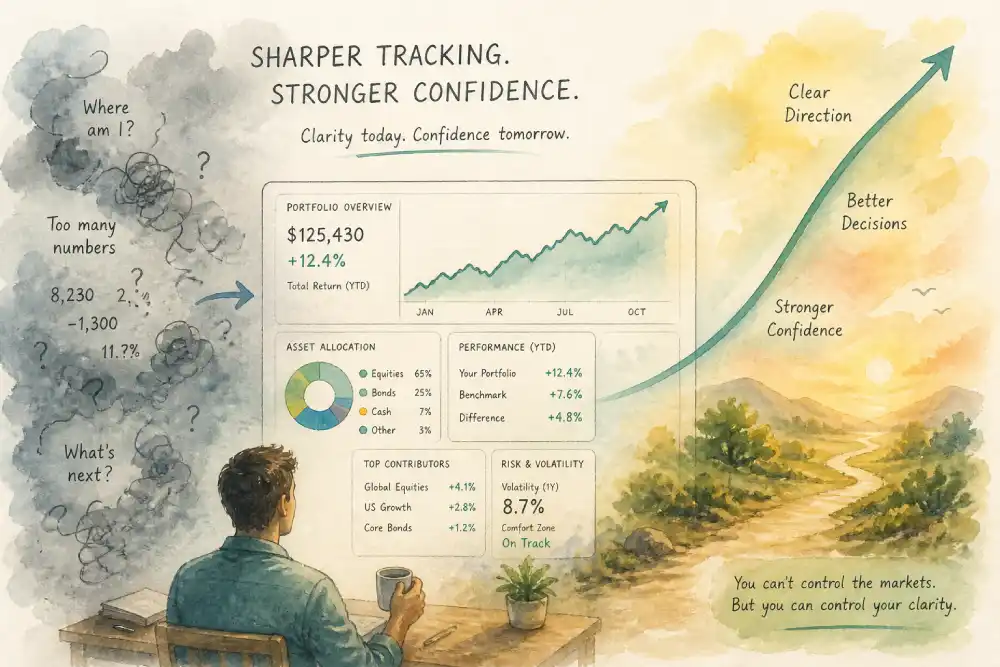
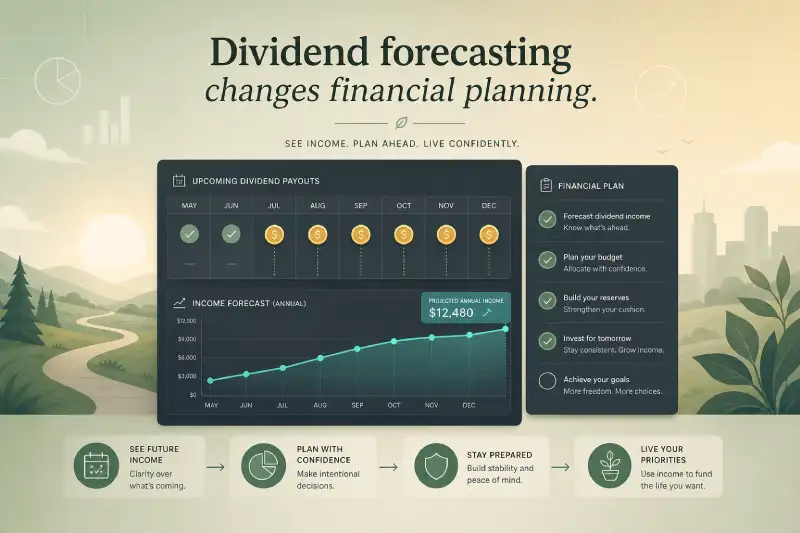
For investors aiming to maintain an accurate and real-time understanding of their holdings, relying on advanced portfolio tracking tools is essential. These platforms aggregate data from multiple exchanges and time zones, enabling seamless updates and valuations. Without such tools, investors risk making decisions based on outdated or incomplete information, potentially affecting portfolio performance and risk assessments.
Moreover, the delay in price updates can cause discrepancies between perceived and actual asset values, particularly in volatile markets or during significant global events. Ensuring timely data feeds and consolidated views helps mitigate these risks and supports more informed decision-making.
Liquidity and Volatility Considerations
Liquidity, which refers to the ease with which assets can be bought or sold without significantly affecting their price, varies notably with trading hours. During regular market sessions, liquidity tends to be higher, resulting in narrower bid-ask spreads and smoother trade execution. Conversely, outside regular hours, such as pre-market or after-hours sessions, liquidity often diminishes, increasing the likelihood of price slippage and wider spreads.
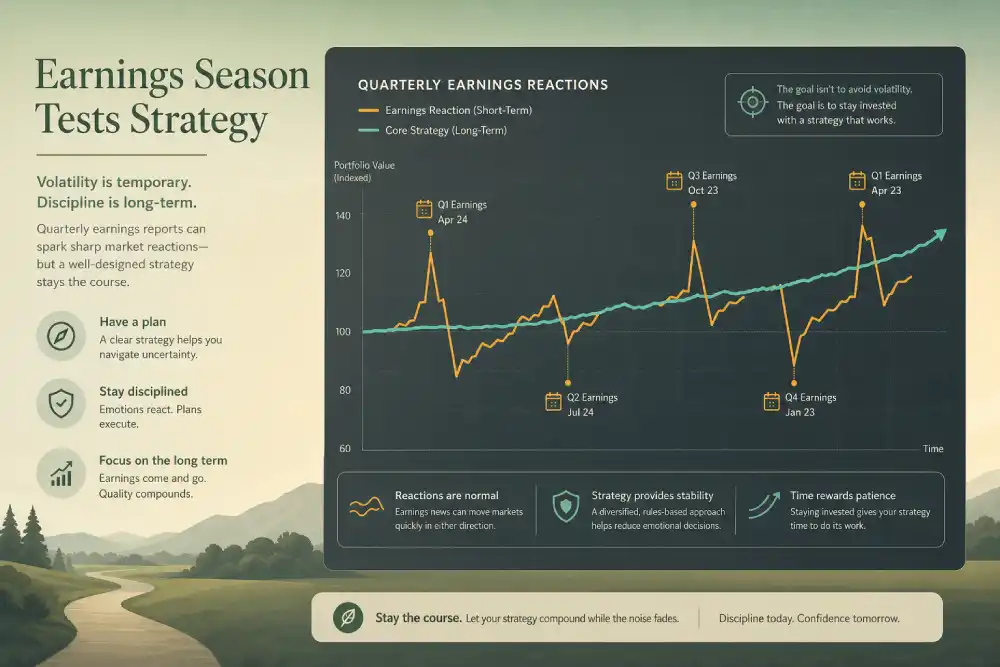
For global investors, this means that timing trades to coincide with the open hours of the relevant market can significantly reduce transaction costs and minimize adverse price impacts. Additionally, volatility patterns differ not only within a single trading day but also across different markets. Some markets may exhibit higher volatility at opening or closing times due to the influx of orders and news releases.
Being attuned to these liquidity and volatility fluctuations allows investors to better anticipate price movements, manage execution risks, and adjust trading strategies accordingly. For example, executing large orders during periods of high liquidity helps avoid unnecessary market impact.
After-Hours Trading and Its Effects
After-hours trading sessions extend beyond the standard market hours and offer additional opportunities to buy or sell securities. However, these sessions come with their own set of risks and considerations. Typically characterized by lower trading volumes and wider bid-ask spreads, after-hours markets can exhibit increased price volatility and less predictable price movements.
For global portfolios, after-hours activity in one market may influence the opening prices of another market in a different time zone. This interplay can create arbitrage opportunities but also introduces complexity when valuing portfolios outside regular trading hours.
Investors need to be aware of how after-hours trading can affect portfolio valuations and trade execution quality. The unique dynamics of these sessions mean that prices may not fully reflect the broader market consensus until regular hours resume. To explore this topic further, readers can consult the article What After-Hours Trading Means for Your Portfolio.
Impact on Asset Allocation Decisions
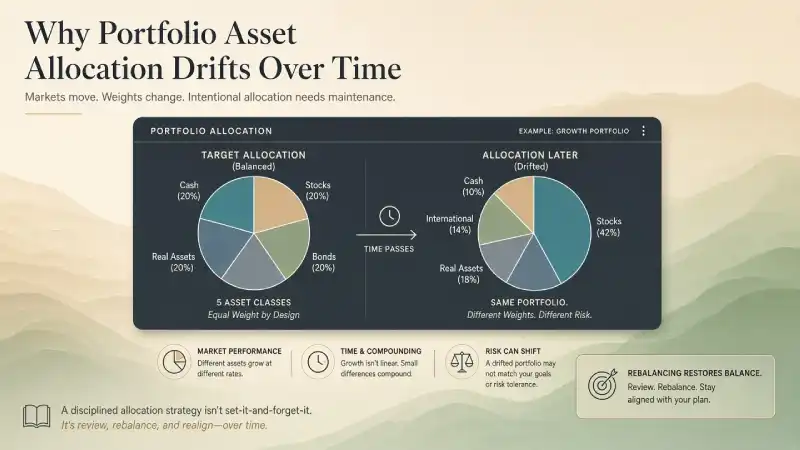
Trading hours also play a critical role in asset allocation, especially for portfolios diversified across global markets. When rebalancing a portfolio or adjusting exposure to different regions, investors must consider the timing of market accessibility to avoid executing trades during illiquid periods or when markets are closed.
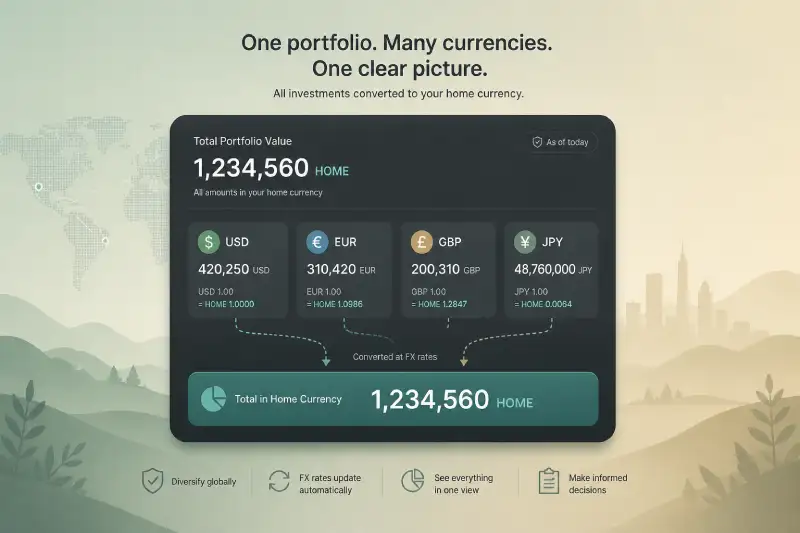
Careful coordination is necessary to synchronize transactions and minimize risks associated with executing trades in thinly traded periods. Moreover, currency fluctuations that occur between market closes can affect the valuation of foreign assets, adding an extra layer of complexity to portfolio management.
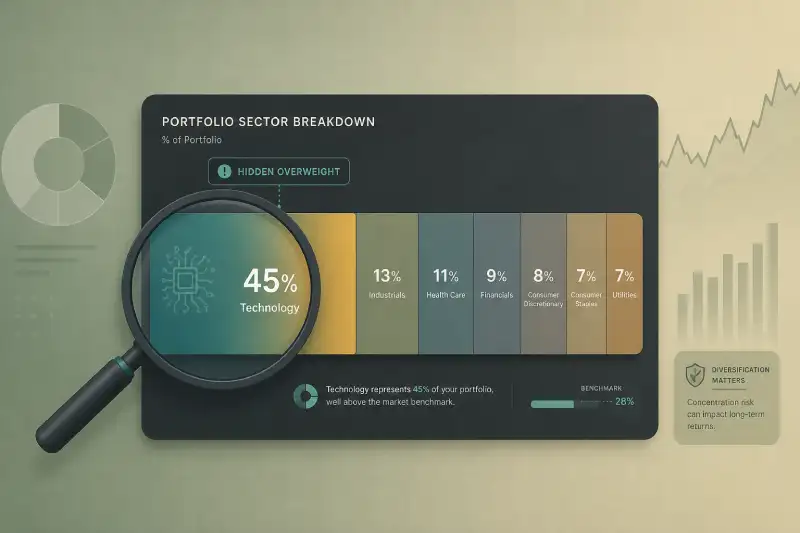
Monitoring these risks and incorporating them into asset allocation strategies ensures that portfolios remain aligned with investment objectives and risk tolerance. Effective management of trading hours and related factors helps preserve portfolio stability and optimize returns over time.
Practical Strategies for Managing Trading Hours
- Plan trades around market openings: To maximize liquidity and reduce costs, traders should execute transactions during the regular trading hours of the respective market whenever possible.
- Use advanced portfolio tracking tools: Employ platforms capable of real-time data aggregation and valuation updates across multiple time zones, which are essential for maintaining accurate portfolio insights and timely decision-making.
- Understand market overlaps: Identify periods when major markets, such as London and New York, are open simultaneously to exploit higher liquidity and enhanced trading opportunities.
- Monitor after-hours developments: Stay informed about after-hours news and price movements, as these can signal shifts that may impact portfolio performance once regular trading resumes.
- Consider currency risks: Factor in foreign exchange fluctuations that occur during market closures, which can influence the effective value of international holdings.
The Role of Technology in Global Portfolio Management
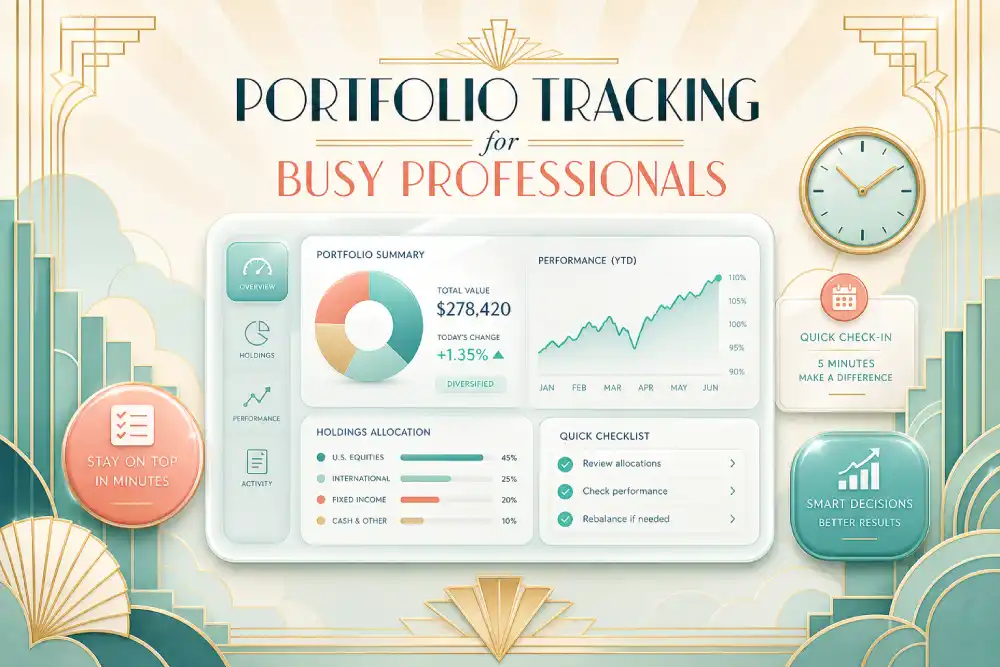
Technology is indispensable in managing the complexities arising from diverse trading hours across global markets. Modern investment platforms provide consolidated dashboards that present portfolio performance across multiple exchanges and time zones, simplifying monitoring and analysis.
Investors who access my portfolio through such technology gain the ability to respond quickly to changes, execute trades efficiently, and maintain a comprehensive understanding of their asset allocation at all times. These tools offer features such as real-time price feeds, alerts, and analytics that support informed decision-making and risk management.
Moreover, integrating algorithmic trading and automated rebalancing capabilities can help optimize trade execution timing, ensuring that orders are placed when liquidity is highest and transaction costs are lowest. As global markets continue to evolve, leveraging technology remains the key to efficient and effective portfolio management.
Conclusion
Trading hours constitute a fundamental consideration for investors managing global portfolios. Awareness of varying market schedules, liquidity fluctuations, and after-hours trading dynamics is vital to accurate portfolio tracking and effective asset allocation. By utilizing advanced technology and adopting strategic planning around trading hours, investors can navigate the challenges posed by global markets and enhance the overall performance of their investments.
For those interested in deepening their understanding of portfolio management and tracking, further exploration of resources such as What You Can Learn By Studying The Portfolios Of Established Investors and Best Stock Portfolio Trackers In 2026: Why Marketlog Outperforms The Rest is highly recommended.