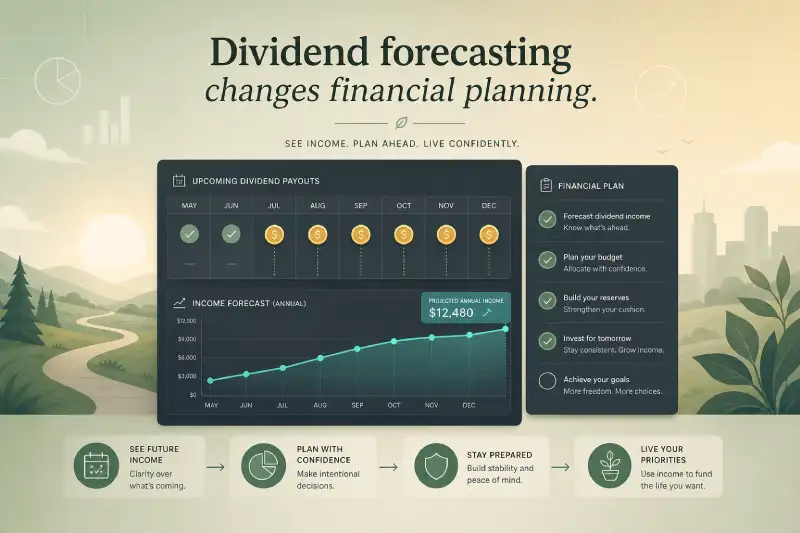
Dividend income has long been a favored metric for many investors seeking steady cash flow from their investments. The allure of regular payments can create a perception of consistent returns and financial security. However, this perception often obscures the complex realities behind dividend payouts and their true contribution to overall investment performance. Understanding when dividend income looks better than it truly is can help investors make more informed decisions and avoid common pitfalls that may negatively impact their financial goals.
The Appeal of Dividend Income
Dividends offer a tangible cash return that investors can either reinvest to grow their holdings or use as a source of passive income. This feature makes dividend-paying stocks particularly attractive, especially for retirees or individuals who seek a reliable income stream without having to sell shares. The steady rhythm of dividend payments often creates a sense of reliability and stability, which can lead investors to overemphasize dividends as the primary measure of investment success.
Many investors find comfort in the idea of receiving regular payments, as it provides a psychological sense of achievement and progress toward financial independence. However, this focus on dividends alone may cause investors to overlook other critical aspects of an investment’s performance, such as price volatility, capital gains, and the company’s overall financial health.
Dividend Yield vs. Total Return
One common mistake investors make is concentrating solely on the dividend yield, which is calculated as the annual dividend payment divided by the current stock price. While a high dividend yield might initially seem attractive, it can sometimes be a warning sign rather than an indicator of strong company performance. For example, a high yield may result from a significant drop in the stock price due to underlying business challenges or market pessimism.
In such cases, the apparent dividend income may not compensate for the loss in stock value. The total return, which includes both dividend income and capital appreciation (or depreciation), provides a more comprehensive picture of investment performance. Investors should evaluate total return over relevant timeframes to understand how dividends contribute within the broader context of their portfolio growth.
Educational resources like Understanding Dividend Yield Without Overthinking It offer useful frameworks for analyzing dividend yield alongside total return, helping investors avoid the trap of fixating on yield alone.
The Impact of Dividend Cuts and Sustainability
Dividend income can be misleading if investors do not carefully assess its sustainability. Companies may reduce or eliminate dividends during economic downturns, financial distress, or shifts in corporate strategy. Such dividend cuts can have a direct and immediate negative impact on expected income streams, which could disrupt an investor’s cash flow plans.
High dividend payments are sometimes funded by taking on debt or by cutting back on necessary business reinvestment, which can jeopardize a company’s long-term growth potential. Evaluating payout ratios, the proportion of earnings paid out as dividends, is a critical step in assessing whether dividends are sustainable over time. A consistently high payout ratio, particularly one exceeding earnings, can signal risk and potential future cuts.
Additionally, investors should consider the company’s cash flow health and the economic conditions of the industry in which it operates. This holistic approach prevents overreliance on dividend income that may not persist through challenging times.
Behavioral Biases in Dividend Investing
Behavioral finance provides valuable insights into why investors often overvalue dividend income. The so-called “cash in hand” effect creates a psychological bias where receiving dividends feels more rewarding than unrealized capital gains, even if the latter may contribute more significantly to total wealth over time.
This bias can lead to suboptimal investment decisions, such as holding underperforming dividend stocks simply to maintain a consistent cash flow, or ignoring better growth opportunities that do not offer immediate income. Furthermore, dividend payments can mask poor underlying performance, causing investors to misread their own returns and overestimate the success of their portfolio.
For those interested in exploring these behavioral pitfalls in more depth, the article Why Most Investors Misread Their Own Returns offers valuable insights into common cognitive errors that affect dividend investors.
Reinvestment and Its Silent Power
Reinvesting dividends can be a powerful strategy to enhance portfolio growth by compounding returns over time. While simply collecting dividend income provides immediate cash, it often underperforms strategies that involve reinvesting dividends back into the portfolio to purchase additional shares. This reinvestment amplifies the compounding effect, leading to significant wealth accumulation over long periods.
Investors who focus solely on dividend income without reinvesting may miss out on substantial long-term benefits, especially in markets characterized by low growth or volatility, where dividend payments alone cannot offset capital losses. The power of reinvested dividends is subtle but profound, contributing to portfolio growth quietly and steadily.
Details on this strategy and its advantages can be found in the article The Silent Power of Reinvested Dividends, which explains how reinvestment can transform dividend income into a robust growth engine.
The Role of Dividend Dates
Understanding dividend dates is essential for accurate dividend income assessment and proper portfolio management. Several key dates determine when dividends are declared, become payable, and are actually received by shareholders. These include the declaration date, ex-dividend date, record date, and payment date.
Misinterpreting these dates can lead to confusion about when dividends are earned and how they affect portfolio value. For example, purchasing a stock just before the ex-dividend date entitles the buyer to the upcoming dividend, while buying afterward does not. This timing can also affect stock price movements around dividend payments.
Having clear knowledge of these dates allows investors to plan their cash flow, manage their trading activity effectively, and avoid unintended trades that might negatively impact returns. For a straightforward and accessible explanation, Dividend Dates Explained Without Confusion is a highly recommended resource.
Monitoring Dividend Performance with Tools
Accurate tracking of dividend payments, yields, and sustainability metrics is vital for dividend investors who want to maintain a clear understanding of their income streams and portfolio health. Utilizing reliable Dividend Tracker tools can simplify this process by aggregating data and providing insights into dividend trends and risks.
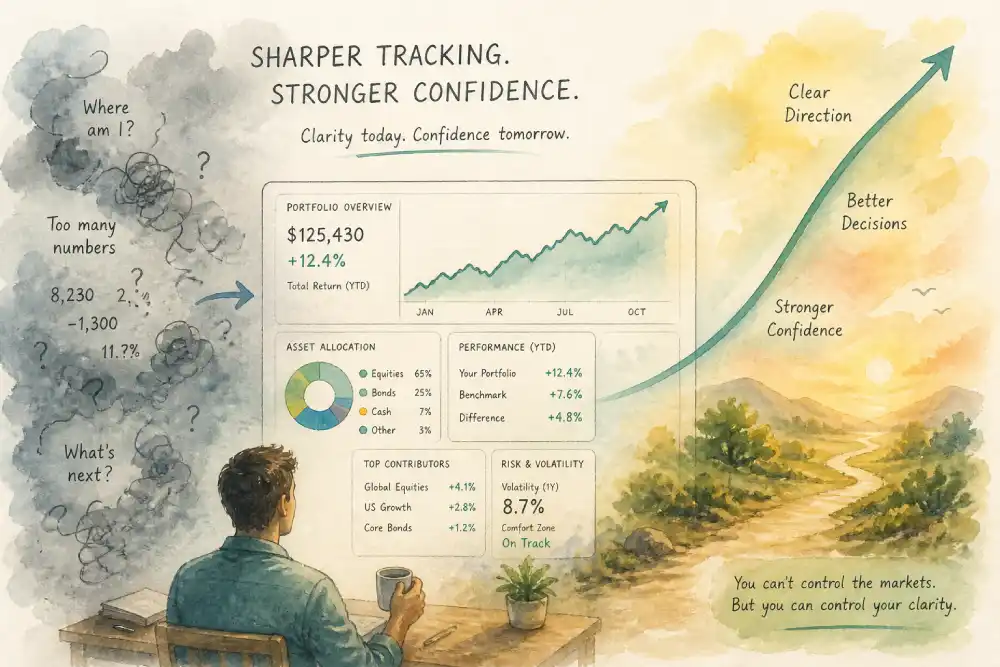
Incorporating dividend analysis into comprehensive Portfolio tracking allows investors to evaluate how dividends contribute to overall returns, rather than assessing dividends in isolation. This holistic approach helps prevent an overemphasis on dividend income alone and encourages more balanced investment decisions that align with long-term financial objectives.
Investors can also monitor their my portfolio accounts to stay updated on dividend activities and assess how dividend income integrates with other performance factors.
Conclusion
Dividend income can be a valuable component of an investment strategy, offering a source of cash flow and a sense of stability. However, it often looks better than it truly is when considered in isolation. Investors must take care to assess dividend sustainability, consider total return rather than yield alone, and be aware of behavioral biases that may distort their perception of investment success.
Effective reinvestment of dividends and a clear understanding of dividend mechanics, including key dates and payout ratios, further enhance the potential for long-term wealth building. By adopting a disciplined and informed approach, investors can harness dividend income as part of a diversified strategy rather than relying on it as a misleading indicator of performance.