How to Audit Your Portfolio Once a Year
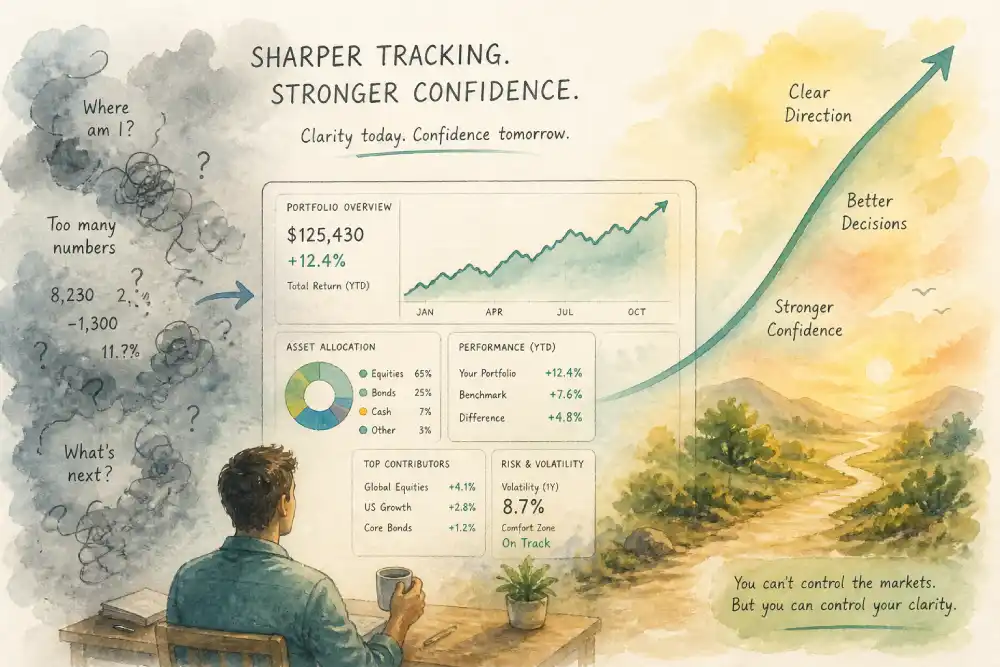
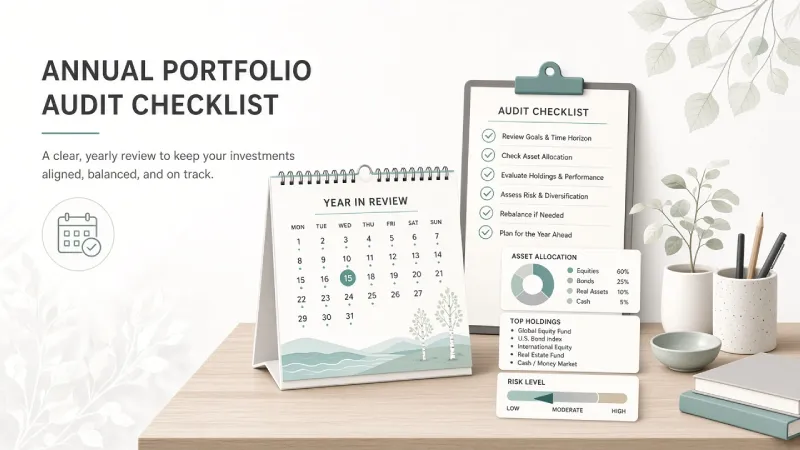
Consistent, objective self-assessment is a cornerstone of successful investing. An annual portfolio audit isn’t just about checking your returns—it’s about understanding what’s working, what isn’t, and how your investments align with your goals and risk tolerance. Here’s a step-by-step guide to conducting a thorough yearly review that can help you stay on track and make smarter decisions.
1. Gather Your Portfolio Data
Start by collecting up-to-date statements for all your accounts—brokerage, retirement, and any alternative investments. Make sure you have a complete list of holdings, including cash, stocks, bonds, funds, and any other assets. This is also the time to note any new deposits, withdrawals, or major changes over the past year.
2. Review Your Asset Allocation
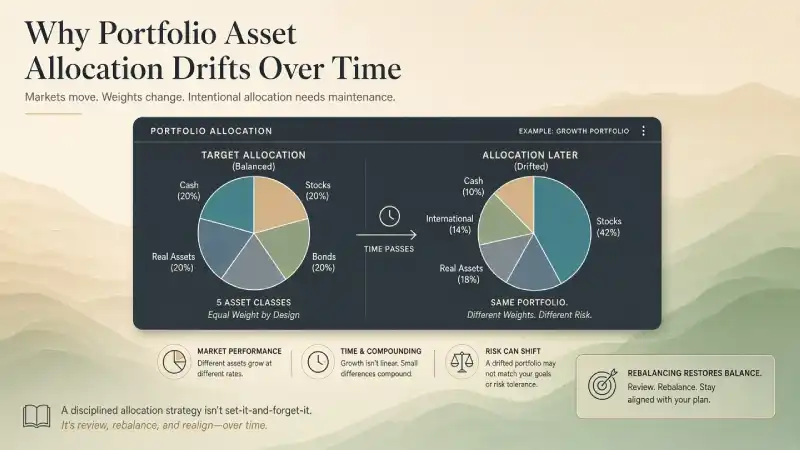
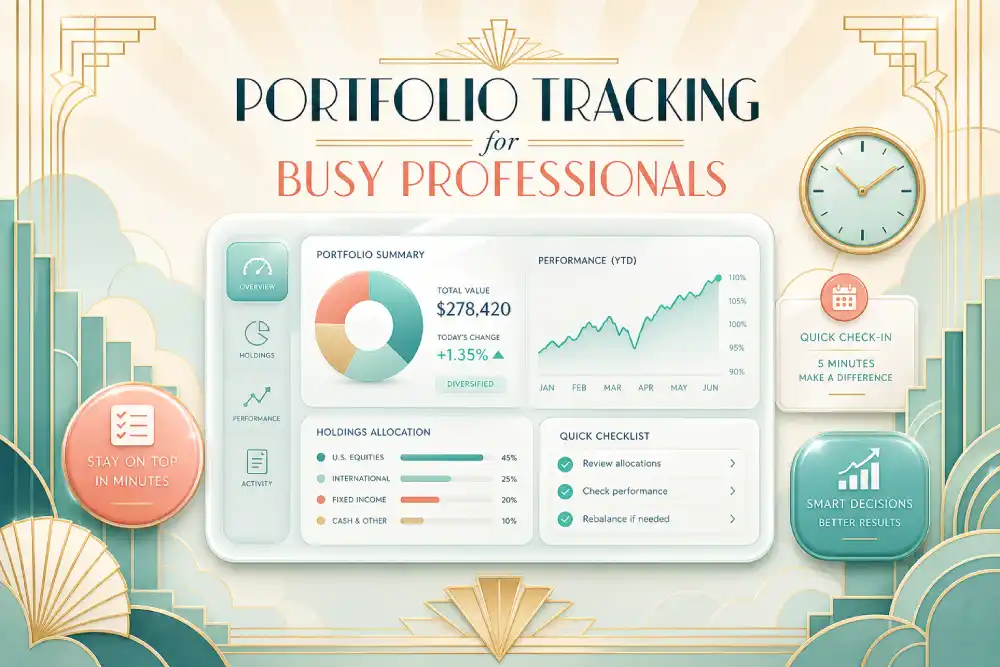
Asset allocation is the backbone of your portfolio’s risk and return profile. Compare your current allocation to your target mix. Has your portfolio drifted due to market movements? For example, a strong run in tech stocks might mean you’re now overweight in that sector. To avoid hidden risks, consider reading about The Sector You Didn’t Realize Dominates Your Portfolio and how sector concentration can sneak up on you.
3. Analyze Performance—But Use the Right Metrics
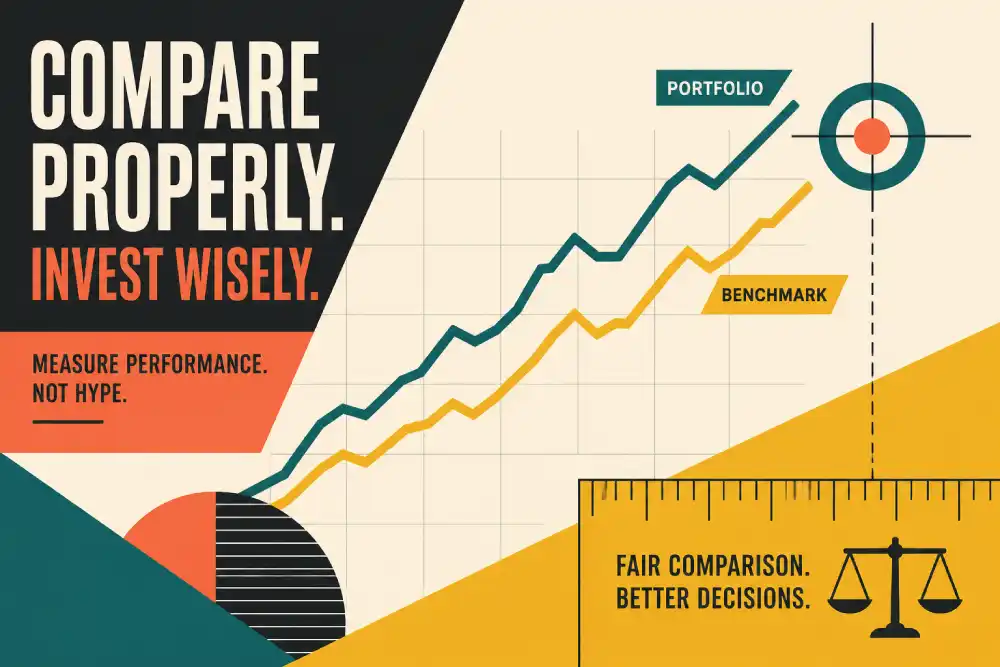
Don’t just look at your raw returns. Adjust for cash flows and compare your performance to relevant benchmarks. Understanding how to compare your portfolio to a benchmark properly will help you identify whether you’re outperforming or lagging the market, and whether your strategy is delivering as expected.
For a true long-term perspective, calculate your Compound Annual Growth Rate (CAGR). This smooths out year-to-year volatility and shows your average annual return. If you’re not sure why CAGR matters, check out What Is CAGR and Why Long-Term Investors Care.
4. Assess Individual Holdings
Dig into each position’s contribution to your overall results. Which stocks or funds are driving your gains? Which are consistently underperforming? Sometimes a single holding can have an outsized impact, for better or worse. Learn how to know if a stock is carrying or hurting you so you can make informed decisions about trimming, adding, or replacing assets.
5. Evaluate Risk—Beyond Volatility
Risk isn’t just about how much your portfolio bounces up and down. Consider your exposure to different asset classes, sectors, and geographies. Review your portfolio’s beta to understand how it moves relative to the market—a topic explored in detail in What Beta Means for Your Portfolio. Also, revisit your biggest drawdowns over the past year. Understanding what drawdown feels like—and what it actually means can help you set realistic expectations for future volatility.
Think about your reaction to market stress. Did you stick to your plan, or did fear or greed take over? This honest reflection is crucial for refining your risk management approach.
6. Revisit Your Goals and Time Horizon
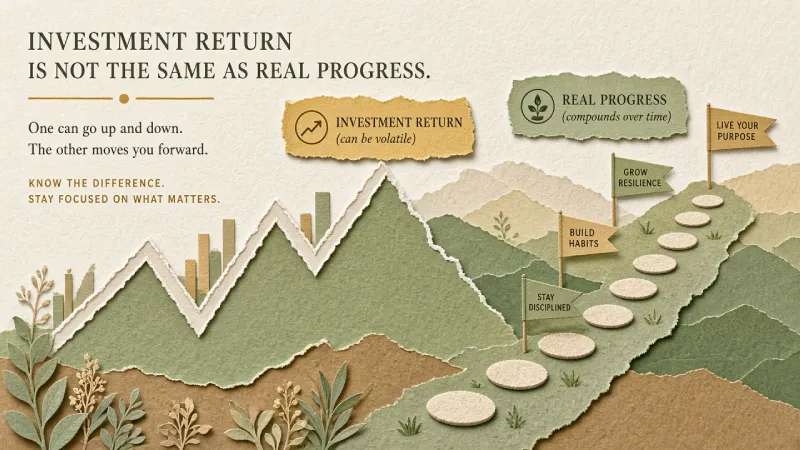
Have your financial goals changed? Are you closer to retirement, or have you set new milestones? Adjust your portfolio if your time horizon, income needs, or risk tolerance have shifted. Remember that your investment strategy should always serve your real-life objectives, not just chase returns.
7. Make a Plan for the Year Ahead
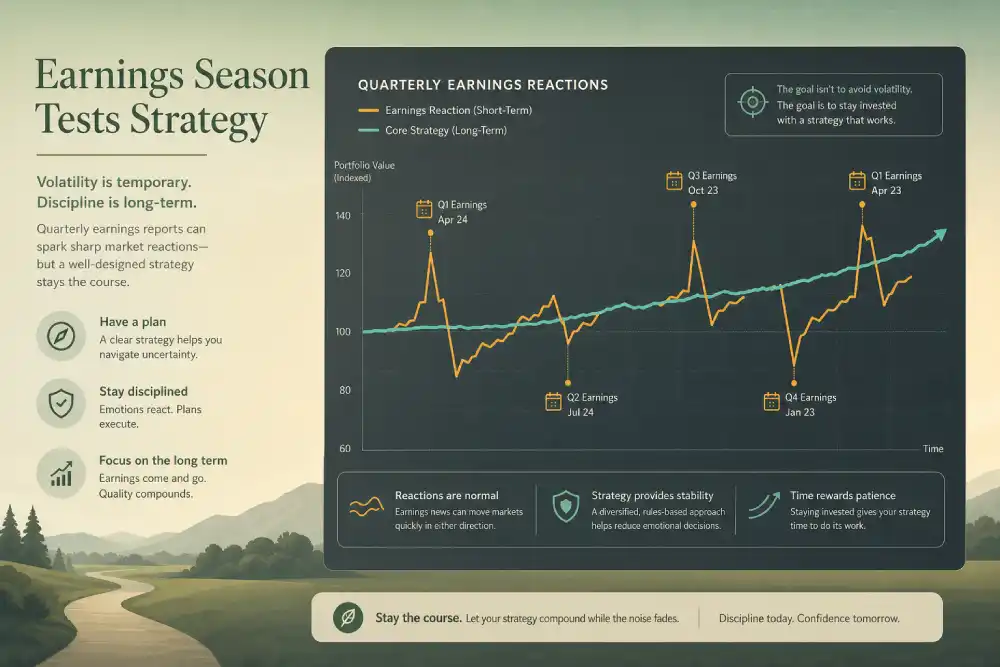
Based on your audit, decide what actions—if any—are needed. This might include rebalancing your asset allocation, replacing underperforming holdings, or increasing your savings rate. Don’t feel pressured to overhaul your portfolio every year; sometimes, the best move is to stay the course.
Finally, consider how your portfolio might behave in different market environments. For example, reviewing what happens to your portfolio in a recession can help you stress-test your plan and build confidence in your strategy.
Conclusion
An annual portfolio audit is your opportunity to step back, review your progress, and ensure your investments are still working for you. By systematically assessing allocation, performance, risk, and alignment with your goals, you’ll be better equipped to navigate uncertainty and grow your wealth over time.