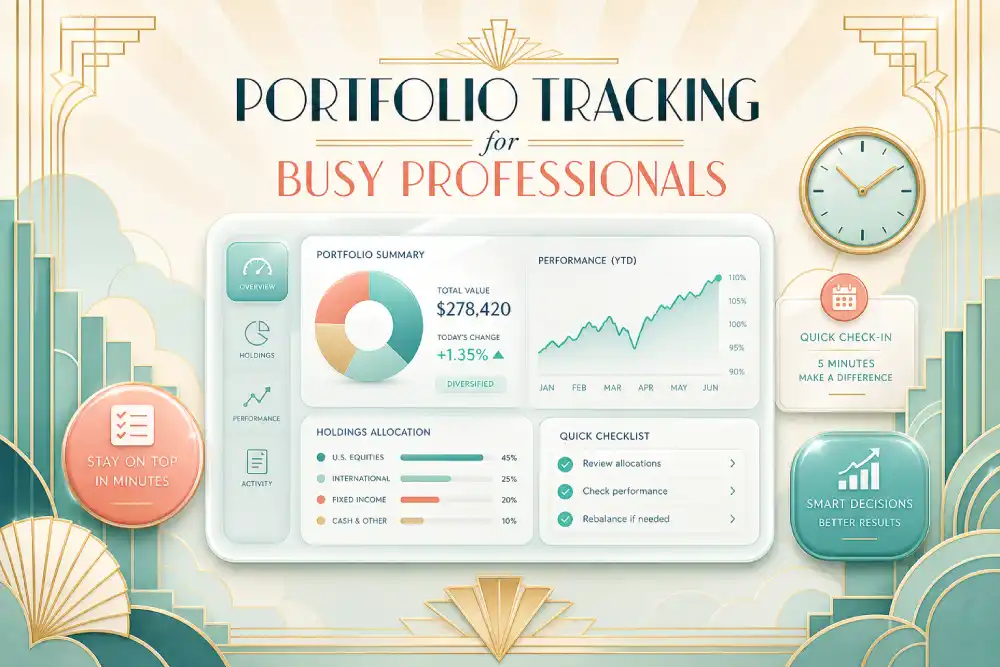
For busy professionals, investing is often a long-term commitment that has to fit around demanding schedules. Between meetings, family, and travel, finding time to monitor your investments can feel like a chore—or even a source of stress. Yet, keeping tabs on your portfolio is essential for making informed decisions and staying on track with your financial goals. Fortunately, modern portfolio tracking tools and smart habits make it possible to stay organized without constant attention.
Why Portfolio Tracking Matters for Busy Investors
Portfolio tracking isn’t just about knowing your current balance. It’s about understanding how your investments are performing, staying aligned with your risk tolerance, and catching issues before they become problems. For professionals with limited time, a streamlined approach to tracking can help you avoid costly mistakes—like missing a rebalancing opportunity or holding onto underperforming assets out of neglect.
Even if your account is small or you’re just starting out, tracking small accounts still matters. Building good habits early can pay dividends as your portfolio grows, and ensures you’re always making decisions based on accurate, up-to-date information.
What to Track—And What to Ignore
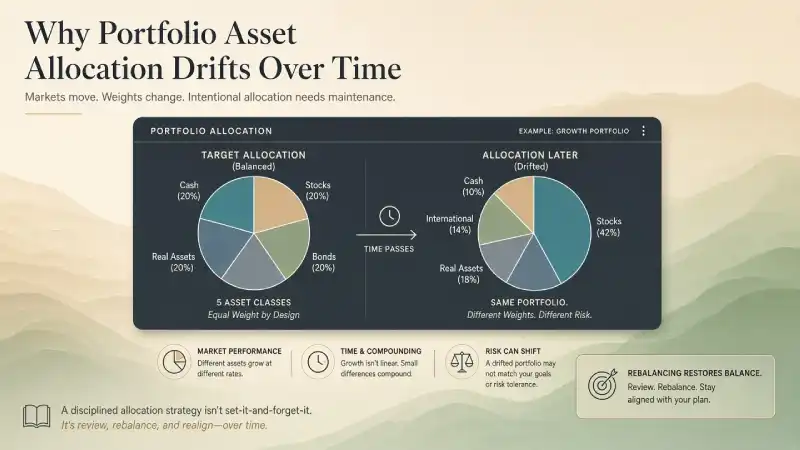
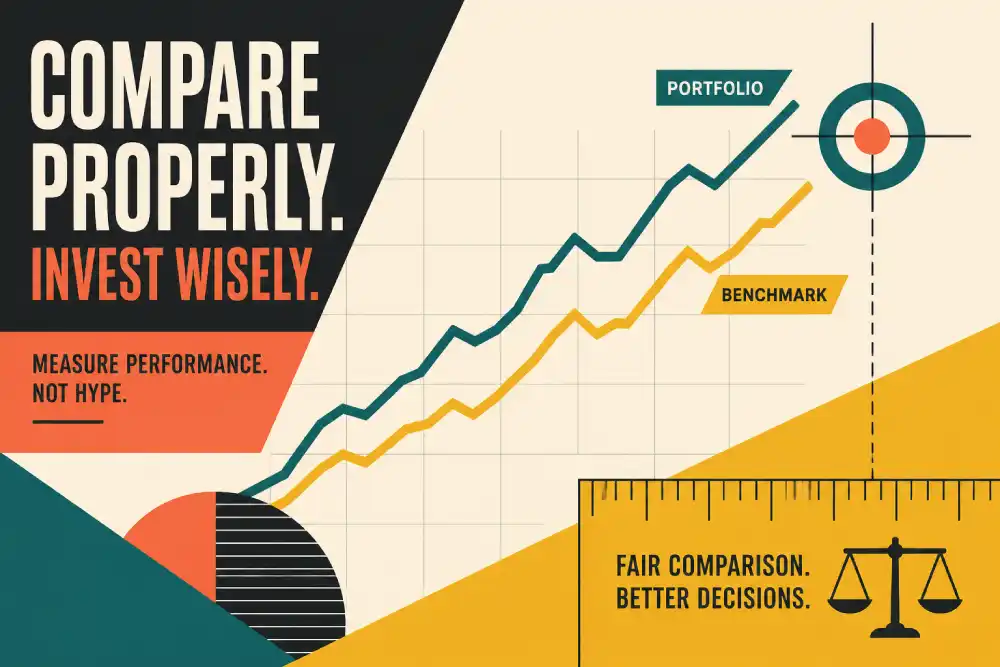
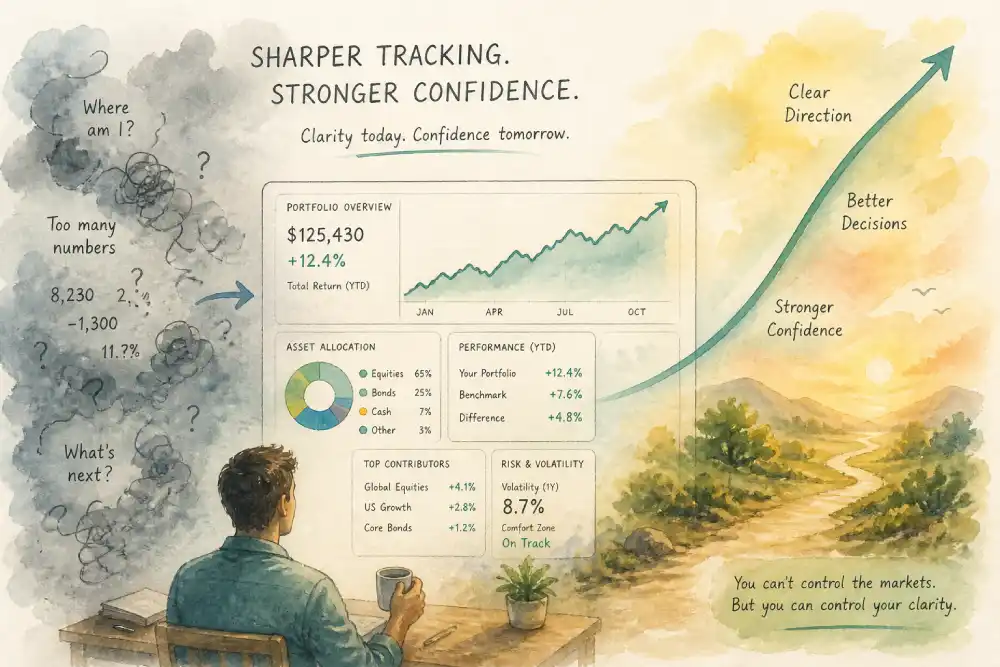
Busy professionals don’t need to track every tick in the market. Instead, focus on metrics that matter:
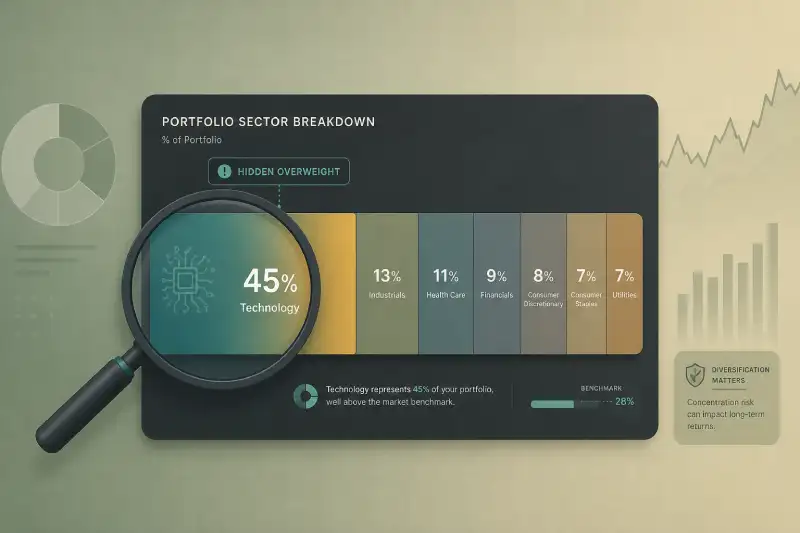
- Portfolio allocation: Are your investments diversified according to your plan?
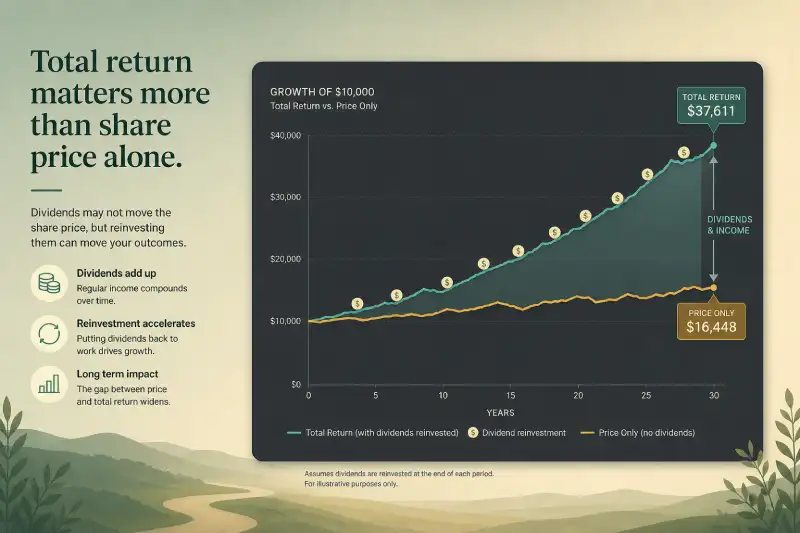
- Performance vs. benchmarks: How are you doing compared to the market or your target?
- Contributions and withdrawals: Are you on track with your savings goals?
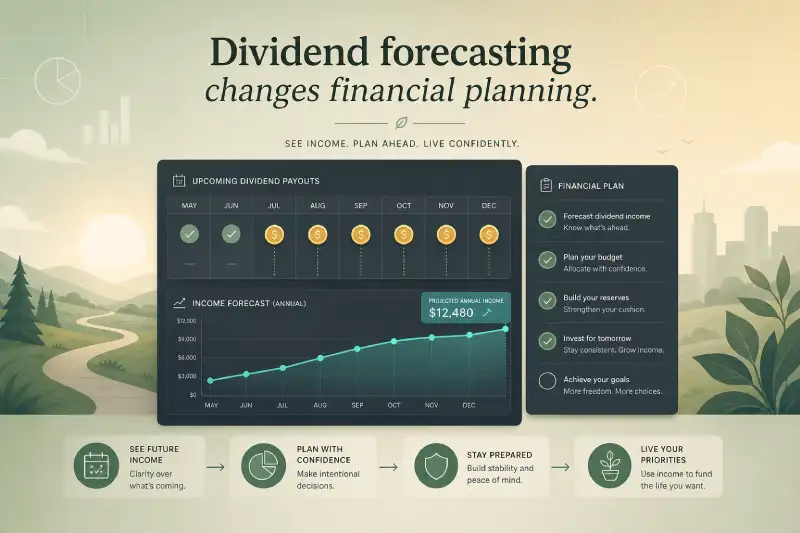
- Major news or changes: Have there been significant events (like a merger or dividend) affecting your holdings?
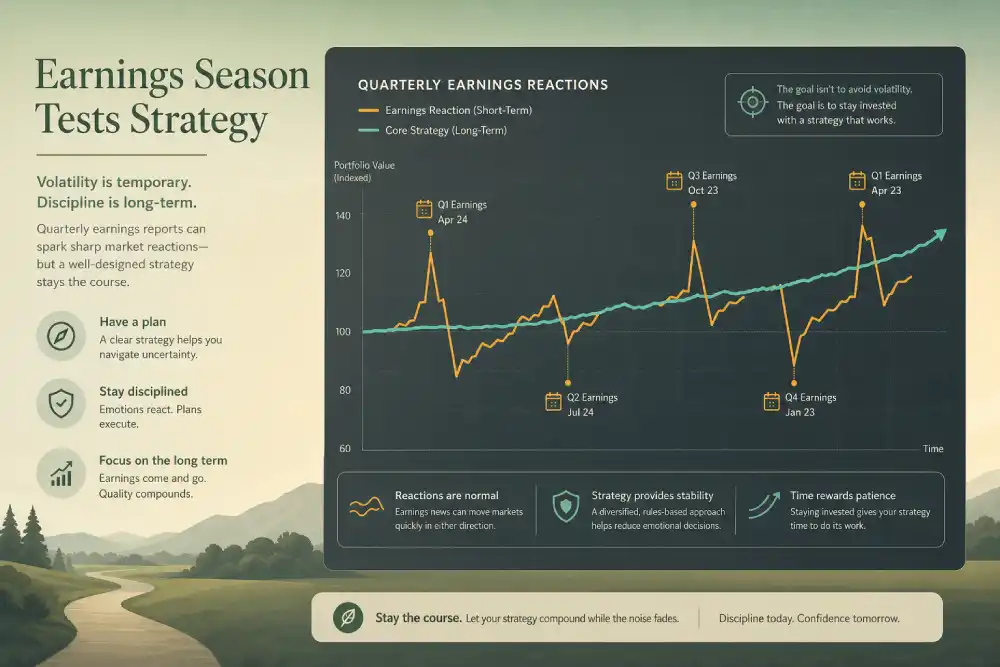
Resist the urge to check your portfolio every day. Studies show that frequent checking can lead to emotional decisions and undermine your long-term strategy. If you find yourself obsessively refreshing your dashboard, it’s worth exploring the psychology of checking your portfolio too often and how it can impact your returns.
Choosing the Right Portfolio Tracking Tools
Not all portfolio tracking tools are created equal. Some busy investors stick with spreadsheets, but as your holdings get more complex, manual tracking can become error-prone and time-consuming. If you’re still using Excel, it might be time to consider more advanced solutions—see Marketlog vs Excel: When Spreadsheets Stop Working for a breakdown of when to make the switch.
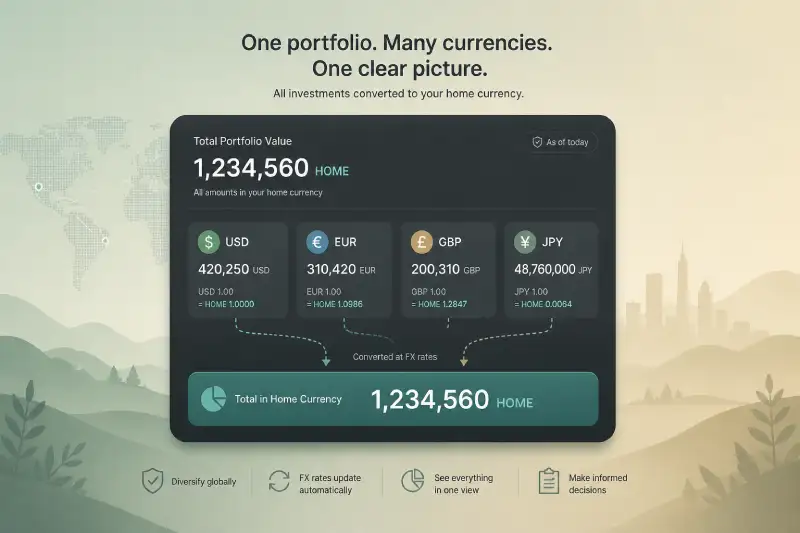
Automated portfolio trackers can consolidate accounts, update prices in real time, and generate performance reports with minimal effort. However, the best tool for you depends on your workflow, security preferences, and the level of detail you want. For a comparison of popular options, including where Marketlog stands out, see Marketlog vs Yahoo Finance Portfolio: Real Differences and Marketlog vs Sharesight: What Serious Investors Notice.
Building a Sustainable Tracking Habit
Consistency is more important than frequency. Rather than checking your portfolio every day, set a recurring reminder—monthly or quarterly works well for most long-term investors. Use this time to review performance, rebalance if necessary, and make any planned contributions. Developing this routine is the habit that makes portfolio tracking powerful, freeing you from decision fatigue and helping you stay objective.
If you’re investing in U.S. stocks, understanding the difference between exchanges can also help you interpret your portfolio’s performance. For example, the NASDAQ vs NYSE: Why the Exchange Actually Matters article breaks down why not all stocks are created equal, even if they seem similar on the surface.
Make Your Time Count
As a busy professional, your time is your most valuable asset. The right approach to portfolio tracking lets you monitor your investments efficiently, avoid emotional pitfalls, and keep your financial plan on course. By focusing on the metrics that matter, choosing the right tools, and building a sustainable habit, you can gain clarity and confidence in your investing journey—without letting it dominate your schedule.