Managing a portfolio with investments across multiple currencies can feel overwhelming. Exchange rates fluctuate, reporting can be inconsistent, and performance tracking often becomes a headache. But with the right approach, you can confidently handle a multi-currency portfolio without unnecessary stress. Here’s how to simplify the process, understand your true returns, and make smarter decisions—no matter how global your investments become.
Why Multi-Currency Portfolios Matter
As markets become more interconnected, it’s common for investors to hold assets in different countries and currencies. From U.S. stocks and European ETFs to Asian bonds, diversification often means embracing multiple currencies. This international reach can offer new opportunities and risk mitigation, but it also introduces new layers of complexity in asset allocation and performance analysis.
How Currency Fluctuations Affect Your Portfolio
When you invest in assets denominated in foreign currencies, your returns are influenced not only by the asset’s performance but also by changes in exchange rates. For example, a gain in a Japanese stock may be reduced—or amplified—when converted back to your home currency. This dual impact can make it tricky to determine your true gains or losses, especially if you’re not tracking currency movements alongside asset prices.
Choosing a Base Currency: Your Anchor in a Sea of Rates
The first step to simplifying your multi-currency portfolio is to select a base currency. This is the currency you’ll use for reporting, performance calculations, and financial planning. By consistently converting all holdings and transactions into your base currency, you get a unified view of your net worth and returns. This makes it easier to spot trends, rebalance, and set goals.
Tracking Performance Accurately
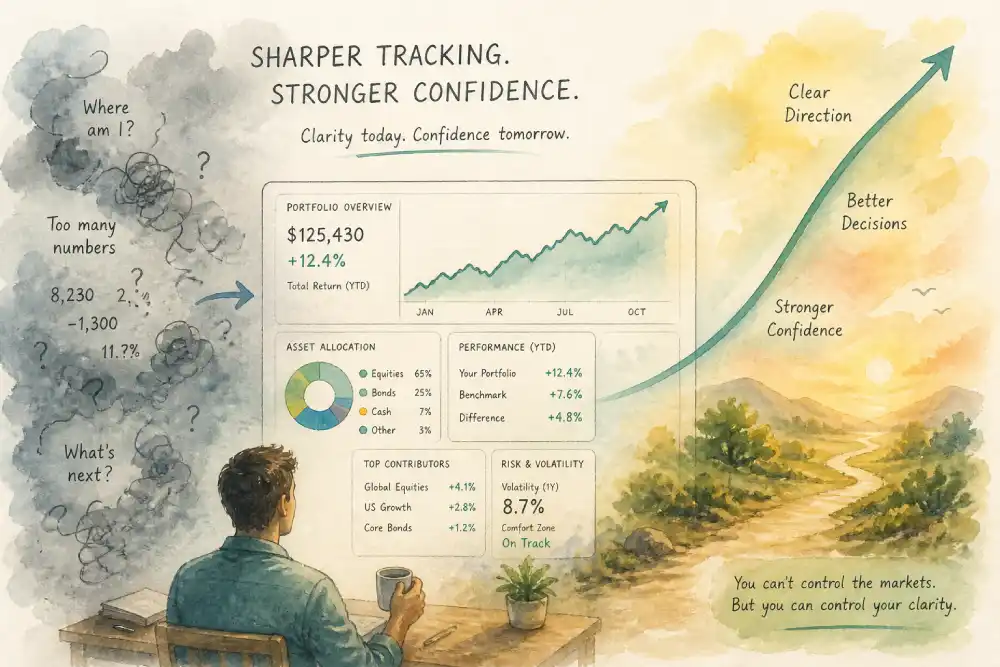
Accurate performance tracking is crucial for multi-currency portfolios. Relying on spreadsheets can quickly become unwieldy, especially when exchange rates change daily. Dedicated portfolio tools can automate currency conversions, update exchange rates, and provide clear reporting in your chosen base currency. This not only saves time but also reduces errors that can creep in with manual calculations.
Understanding Returns: Local vs. Home Currency
It’s important to distinguish between local currency returns (how the asset performed in its own currency) and home currency returns (how your investment performed after currency conversion). Both perspectives are valuable. Local returns help you assess the asset’s intrinsic performance, while home currency returns show the real impact on your wealth. Savvy investors monitor both to make informed decisions about rebalancing and risk management.
Asset Allocation in a Multi-Currency World
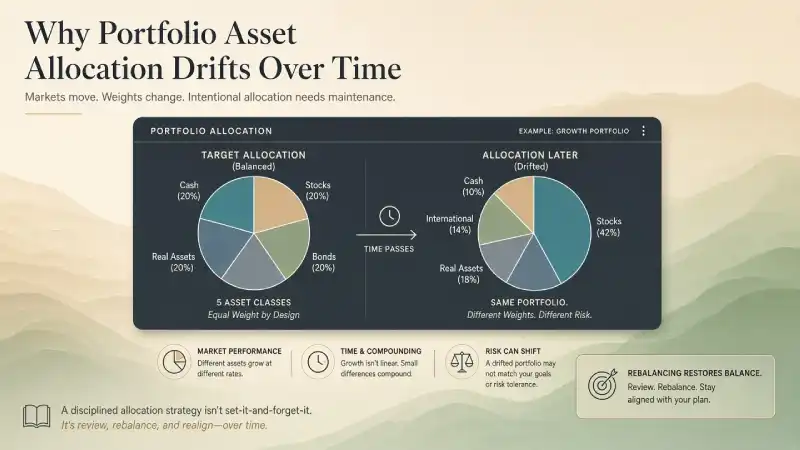
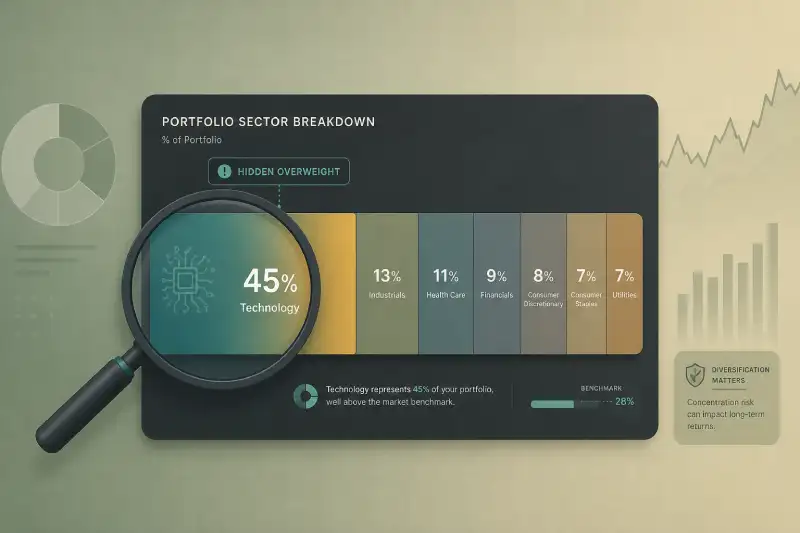
Maintaining your desired asset allocation is more challenging when currencies are involved. Exchange rate movements can shift the relative weight of different holdings, potentially throwing your portfolio off balance. Regular reviews—and the right tools—can help you spot when currency effects have nudged your allocations out of line. For more on interpreting your portfolio’s mix, see What Your Allocation Chart Is Trying to Tell You.
Common Pitfalls and How to Avoid Them
- Ignoring Currency Risk: Don’t assume currency movements will “even out” over time. They can have a lasting impact on your returns.
- Overcomplicating Your Tracking: Manual spreadsheets or mixing multiple reporting currencies often leads to confusion. Use a single base currency and automated tools.
- Neglecting Rebalancing: Currency swings can distort your intended allocation. Set periodic reminders to review and rebalance.
Staying Sane: Habits for Stress-Free Management
Consistency is key. Develop a routine for reviewing your portfolio, updating exchange rates, and checking allocations. Adopting a steady approach keeps you focused on your long-term objectives and less prone to emotional reactions. As discussed in The Habit That Makes Portfolio Tracking Powerful, regular habits are crucial for successful, low-stress investing.
Tools That Make It Easier
Modern portfolio tracking platforms are designed to handle multi-currency portfolios with minimal hassle. They automatically update exchange rates, convert asset values, and provide clear performance reports. This lets you focus on strategy rather than spreadsheets, and helps ensure you’re acting on accurate information.
Final Thoughts
Managing a multi-currency portfolio doesn’t have to be stressful. By anchoring your reporting to a base currency, using the right tools, and maintaining disciplined habits, you can confidently navigate global markets and make decisions that support your long-term goals. If you’re interested in how market hours and international trading can further affect your portfolio, you might also find What Trading Hours Mean for Global Portfolios helpful.