Recessions are an inevitable part of the economic cycle, but few investors feel truly prepared when one begins. The headlines turn grim, markets lurch, and portfolios often take a hit. Understanding what actually happens to your portfolio in a recession—beyond the initial panic—can help you make smarter decisions, minimize mistakes, and even spot opportunities amid the volatility.
How Recessions Affect Portfolio Value
During a recession, economic activity contracts. Unemployment rises, consumer spending slows, and business profits typically decline. Stock markets, which anticipate and react to these shifts, often fall sharply. This means most portfolios see a drop in value, especially if they are heavily weighted toward equities.
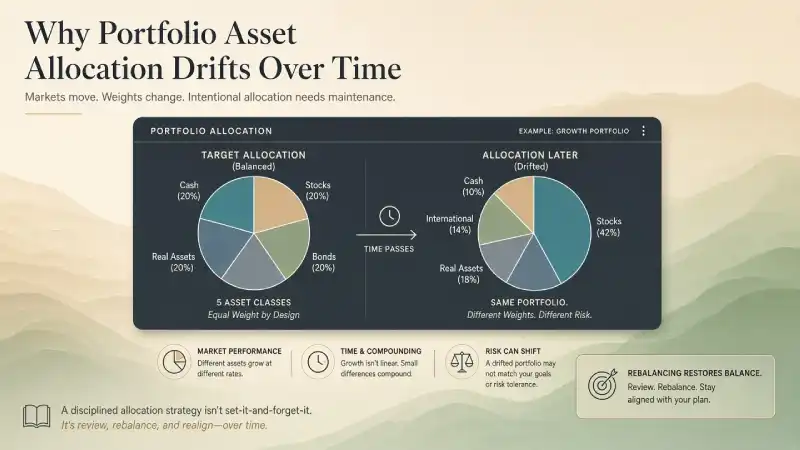
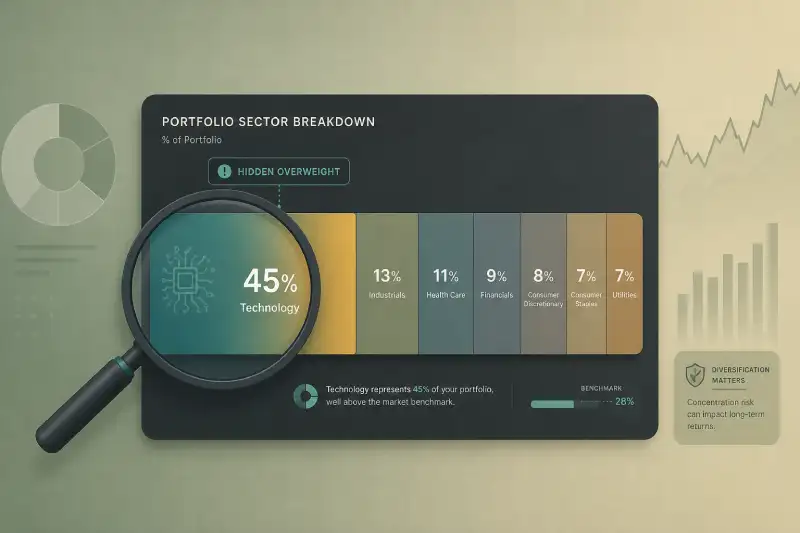
The degree of impact depends on your portfolio’s asset allocation. Stocks tend to decline the most, while bonds and cash may hold their value or even rise as investors seek safety. If you’re concentrated in a single sector or asset class, the losses can be steeper—highlighting the importance of diversification and how to spot overexposure before it hurts.
Volatility: The New Normal
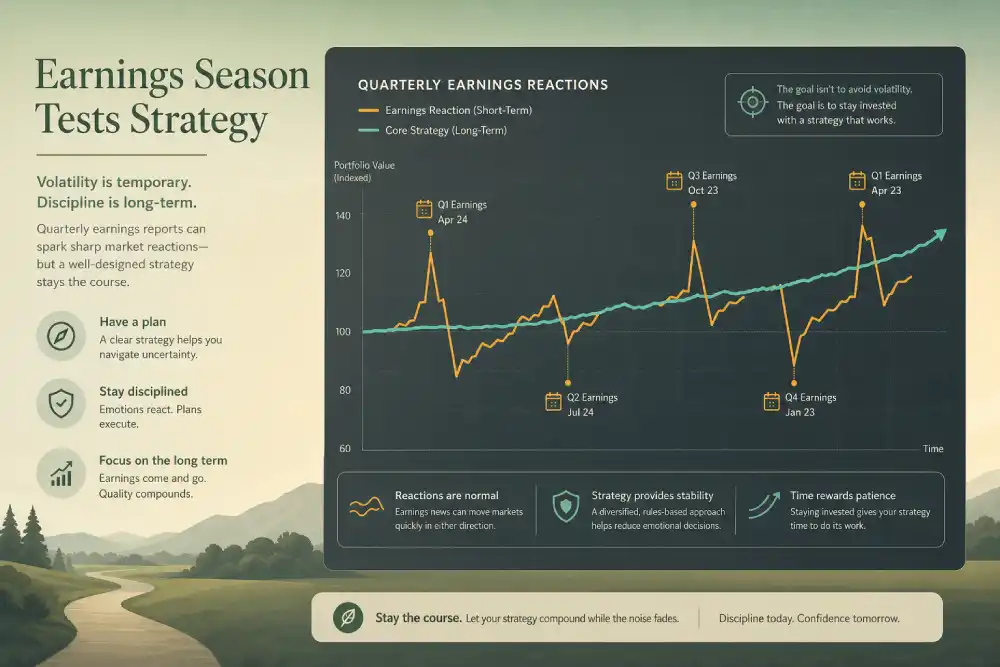
Recessions bring increased market volatility. Prices can swing dramatically in both directions as investors process news and try to anticipate the next move. This volatility can be unsettling, but it’s a normal part of the market’s attempt to find a new equilibrium.
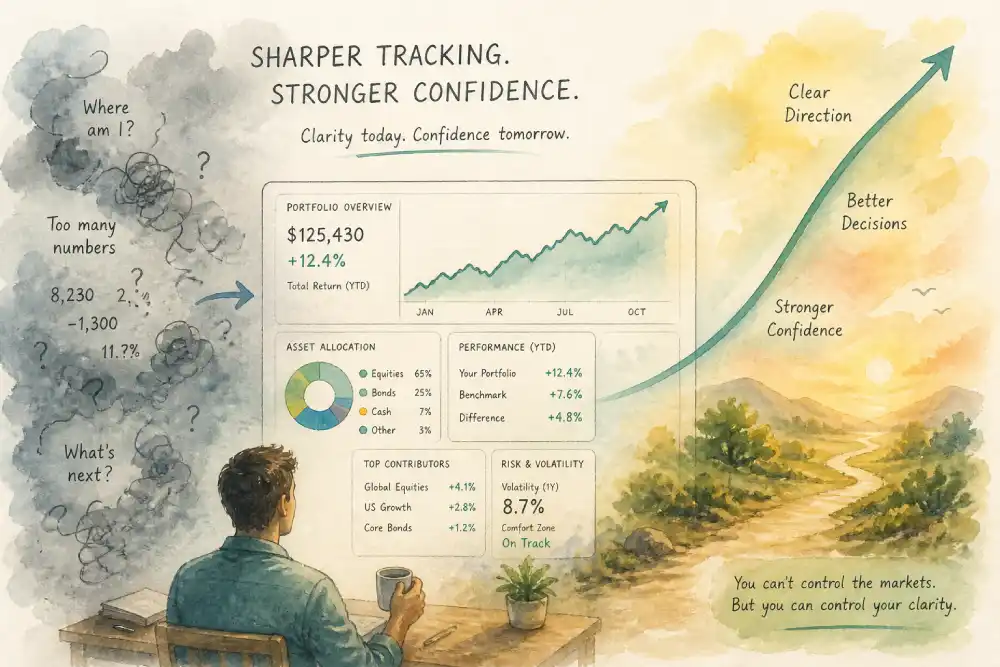
It’s common to feel anxious as your portfolio value fluctuates. Understanding what drawdown feels like—and what it means for long-term investors—can help you avoid emotional decisions that lock in losses.
Risk Management Takes Center Stage
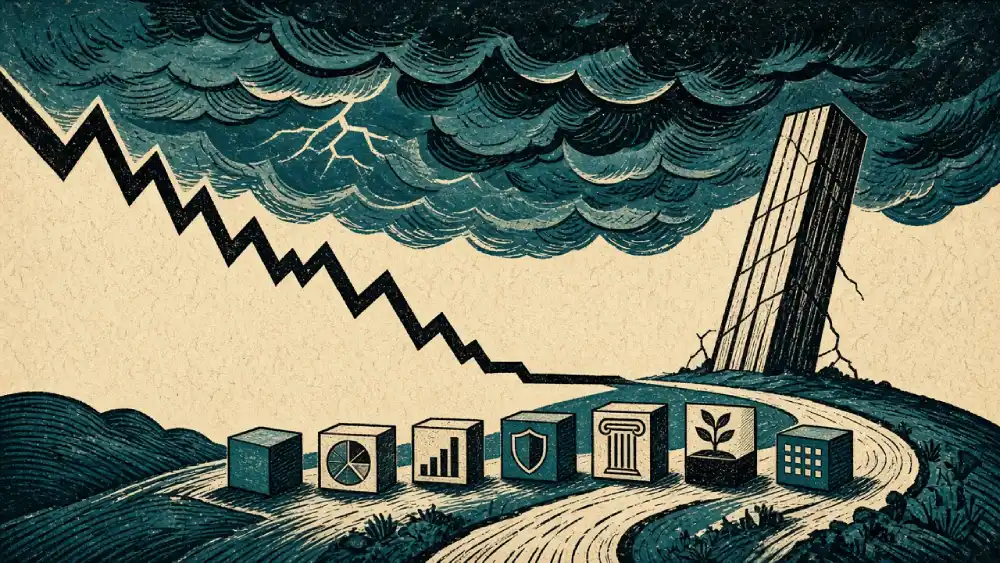
Recessions test your portfolio’s resilience. If you’ve built in risk management with diversification, proper asset allocation, and periodic rebalancing, your losses may be less severe. Defensive sectors (like consumer staples or utilities), high-quality bonds, and cash can help cushion declines.
However, risk isn’t just about losing money. It’s also about being positioned to recover when markets rebound. Understanding what beta means for your portfolio can help you gauge how sensitive your investments are to market swings—crucial information during turbulent periods.
Behavioral Traps to Avoid
Recessions tempt investors to make rash moves. Panic-selling after the market drops, chasing “safe” assets at inflated prices, or abandoning a sound investment plan can all hurt long-term returns. History shows that markets eventually recover, but only investors who stay the course benefit from the rebound.
Instead of reacting emotionally, use the downturn to review your risk tolerance and ensure your investments still match your goals. If you realize your allocation is too aggressive, rebalance thoughtfully—don’t overhaul your portfolio in a single day.
Opportunities Amid the Downturn
While recessions are challenging, they can also present opportunities. Stocks often become undervalued, and long-term investors who continue to contribute—even in small amounts—may benefit from lower prices. Rebalancing into beaten-down asset classes can position your portfolio for the eventual recovery.
It’s also a good time to review how inflation quietly changes your allocation and whether your portfolio is still aligned with your long-term objectives.
What to Expect When the Recovery Begins
No one can predict exactly when a recession will end, but history suggests that markets often rebound before the economy fully recovers. Staying invested and maintaining a disciplined approach increases your chances of participating in the upswing.
Remember, recessions are temporary, but your investment decisions can have lasting consequences. By focusing on what you can control—diversification, risk management, and staying the course—you give your portfolio the best chance to weather the storm and emerge stronger.
For more on how your investments behave during different trading periods, see What Happens to Your Portfolio During Market Hours?.