How Dividend Forecasting Changes Planning
Dividend investing has long been a favorite strategy for those seeking reliable passive income and a sense of financial stability. But while the allure of regular payouts is obvious, the real power in dividend investing comes from understanding—and forecasting—those future payments. Dividend forecasting is more than just estimating next year’s checks; it fundamentally changes how you approach portfolio management and financial planning. Here’s how.
Why Forecast Dividends at All?
Most investors look at historical yields or last year’s payouts when choosing dividend stocks. But this backward-looking approach can leave you unprepared for changes in company policy, market conditions, or broader economic shifts. Forecasting dividends means projecting future income based on company fundamentals, payout histories, and expected growth. This forward-thinking approach helps you set realistic expectations and avoid surprises—especially if you rely on dividends for living expenses or retirement income.
From Guesswork to Strategy
Without forecasting, your income plan is only as good as last year’s data. By incorporating forecasts, you can:
- Match expected income to upcoming expenses
- Spot potential shortfalls early and adjust your savings rate
- Identify when to rebalance your portfolio if a company’s outlook changes
- Stress-test your plan against different economic scenarios
This strategic approach separates seasoned investors from those simply hoping for the best. For a primer on the basics behind these numbers, see Understanding Dividend Yield Without Overthinking It.
Improving Portfolio Management
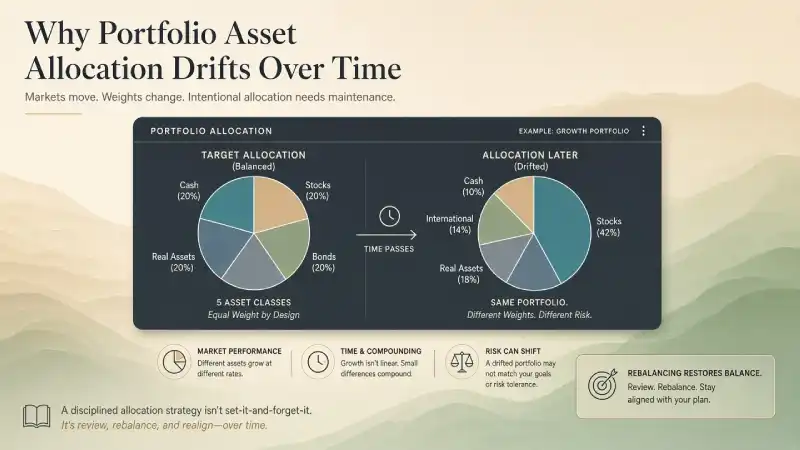
Dividend forecasting doesn’t just help with income planning—it can transform how you manage your entire portfolio. When you know which holdings are likely to grow (or cut) their payouts, you can make smarter decisions about diversification, risk, and reinvestment. For example, if your forecast shows one sector’s dividends are at risk, you might shift allocations to more stable payers or those with a proven growth record. This is especially relevant when weighing Dividend Growth vs High Yield options, helping you balance immediate needs with long-term growth potential.
Setting Realistic Expectations
Forecasting forces you to confront the reality that dividends aren’t guaranteed. Companies can cut payouts in tough times, and yields can fluctuate with stock prices. By building conservative estimates into your plan, you’re less likely to be caught off guard. This also helps avoid the trap of seeing dividend income as better than it is—a common pitfall when investors focus on headline yields instead of sustainability and growth prospects.
Reinvestment and Compounding
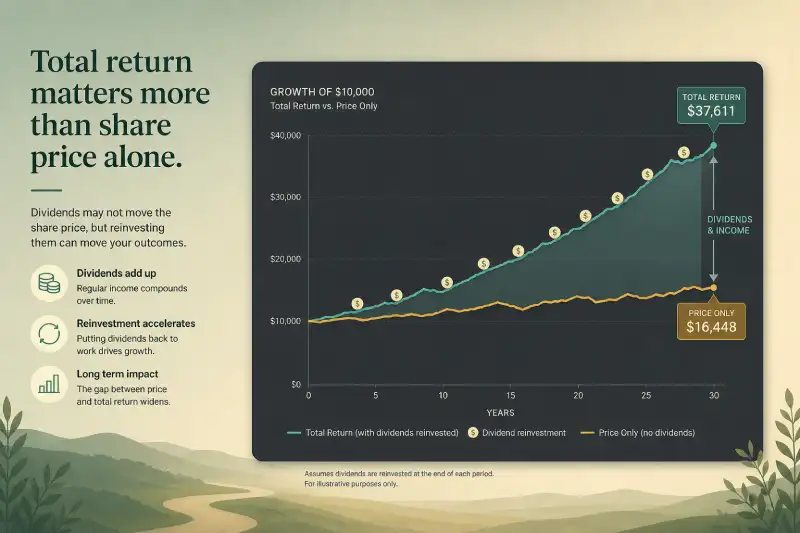
Forecasting dividends also helps you visualize the impact of reinvestment. By projecting not just the next payout, but how those funds can be redeployed, you can better harness the Silent Power of Reinvested Dividends. This compounding effect is a major driver of long-term wealth, but it’s only visible when you look forward, not back.
Better Financial Planning
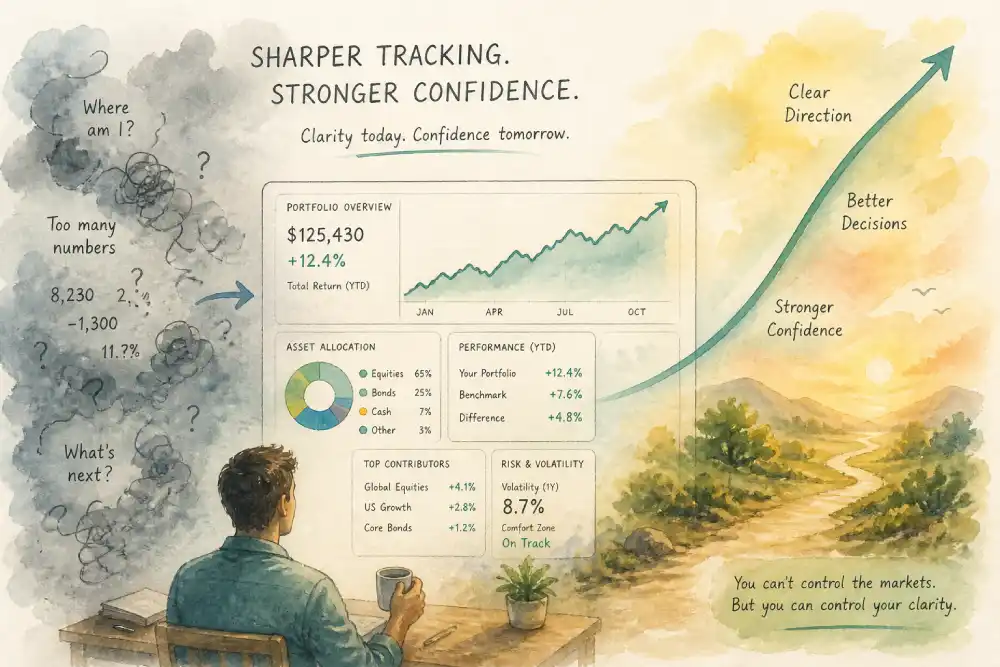
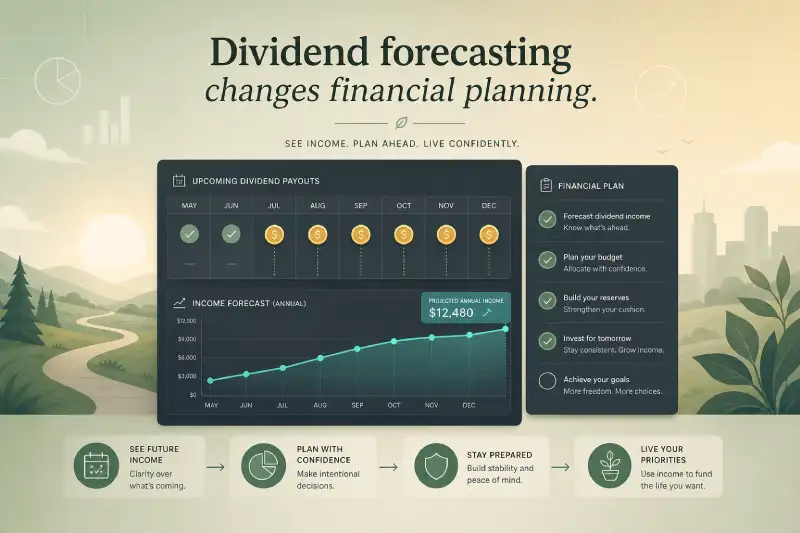
For those using dividends to fund retirement or other goals, forecasting brings clarity. You can map out expected income alongside expenses, plan for years with lower payouts, and make informed decisions about withdrawals or supplemental income sources. This level of planning is what turns dividend investing from a hopeful strategy into a reliable component of your overall financial picture.
Limitations and Cautions
No forecast is perfect. Unpredictable events—like regulatory changes, economic shocks, or company-specific issues—can disrupt even the best-laid plans. That’s why it’s important to update your forecasts regularly and stay informed about your holdings. Understanding dividend dates and payment cycles also helps you avoid surprises; for more, see Dividend Dates Explained Without Confusion.
The Bottom Line
Dividend forecasting transforms dividend investing from a backward-looking strategy to a proactive, planning-driven approach. It helps you set realistic expectations, manage risk, and align your portfolio with your financial goals. While no forecast can eliminate uncertainty, the discipline of looking ahead ensures you’re better prepared for whatever the market delivers.