Return vs Progress: Why the Numbers Don't Always Tell the Story
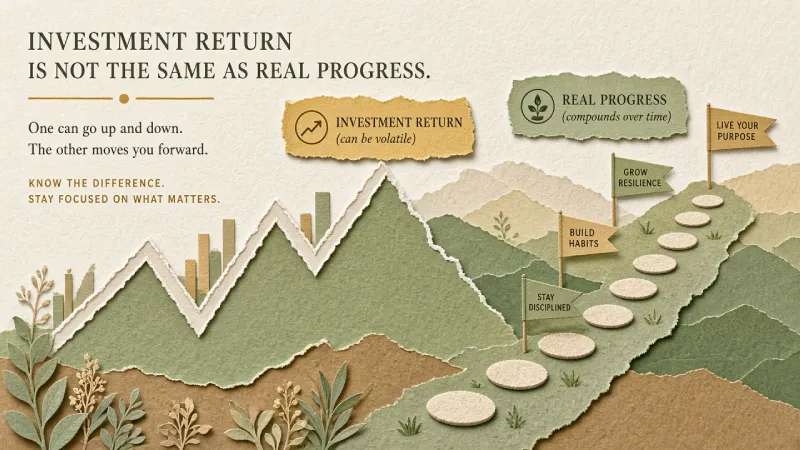
In the world of investing, “return” is king. It’s the number everyone quotes, the figure that dominates dashboards and annual reports. But while return gets all the attention, it doesn’t always capture what matters most to long-term investors: true progress toward your goals. Understanding the difference between these two concepts can change how you evaluate your portfolio—and your investing decisions.
What Is Return?
Return is a measurement of how much your investments have grown (or shrunk) over a specific period. This is usually expressed as a percentage, and it comes in several flavors. Whether you’re looking at a stock’s price change, a fund’s annualized performance, or your portfolio’s overall gain, you’re dealing with return.
But even the simple term “return” hides complexity. Are you looking at time-weighted or money-weighted returns? Each tells a different story, especially if you’ve been adding or withdrawing money along the way. For a deeper dive, see Time-Weighted vs Money-Weighted Returns (Without Math Panic) to understand how these calculations affect your performance analysis.
What Is Progress?
Progress is about moving closer to your actual investment objectives. It’s less about beating a benchmark and more about whether you’re on track for what you want—retirement, a home down payment, or any other personal milestone. Progress considers your unique circumstances, contributions, withdrawals, and the timing of your moves, not just the market’s ups and downs.
For example, if you steadily invest during market downturns, your account balance might not look impressive in the short term. But you could be making real progress by accumulating more shares at lower prices, setting yourself up for stronger growth later. This is why portfolio tracking tailored for long-term investing is so valuable—it helps you see beyond the headline return.
Why Return Alone Can Be Misleading
Many investors have been surprised to discover their “great returns” didn’t translate to meaningful progress. This disconnect often comes from focusing on percentages instead of actual dollar growth, or from ignoring the impact of cash flows and timing. It’s a common experience—one explored in depth in Why I Thought I Was Making Money (Until I Checked My Dashboard).
Consider two investors with identical returns but different contribution schedules. The one who invested more during market dips may have made more progress, even if their annualized return is technically lower. This is why it’s crucial to look at your portfolio’s journey, not just its destination.
Measuring True Progress: What to Track
- Net Contributions: Track how much you’ve added or withdrawn over time. Your progress depends on both your return and your behavior.
- Portfolio Value vs. Goal: Compare your current balance to your target. Are you closing the gap?
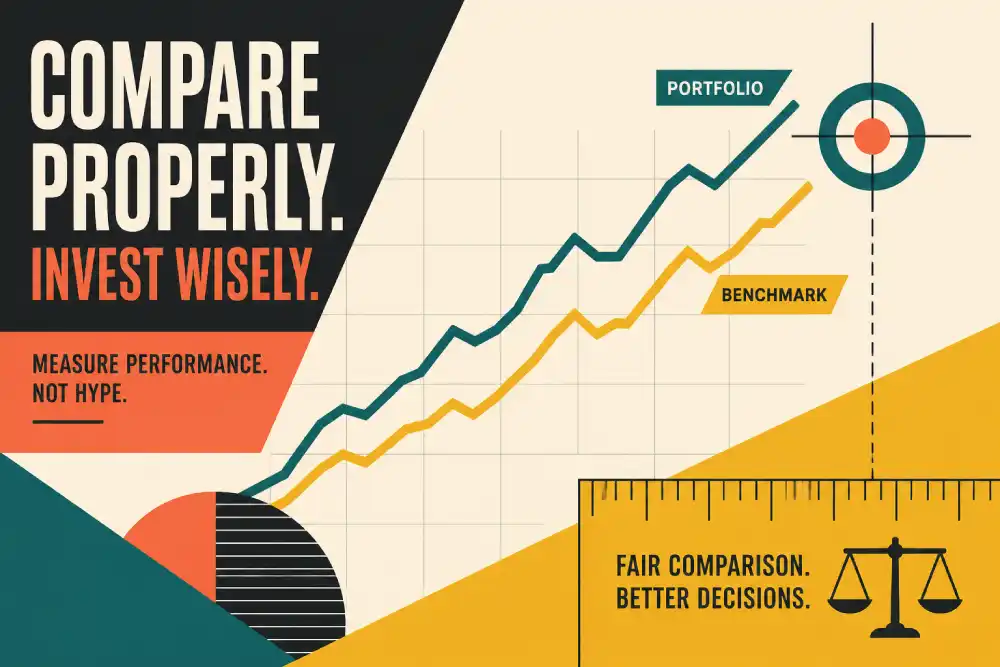
- Performance Graphs: Visual tools can help, but it’s easy to misread them. Learn how to read your performance graph correctly so you’re not fooled by short-term volatility.
- Consistency: Are you sticking to your plan? Progress is often about steady habits, not spectacular returns.
Tools and Habits That Support Real Progress
Tracking progress requires more than just glancing at your brokerage statement. Many investors start with spreadsheets, but as portfolios grow, specialized portfolio tools can offer sharper insights with less manual effort. The right system makes it easier to see both your returns and your progress in context.
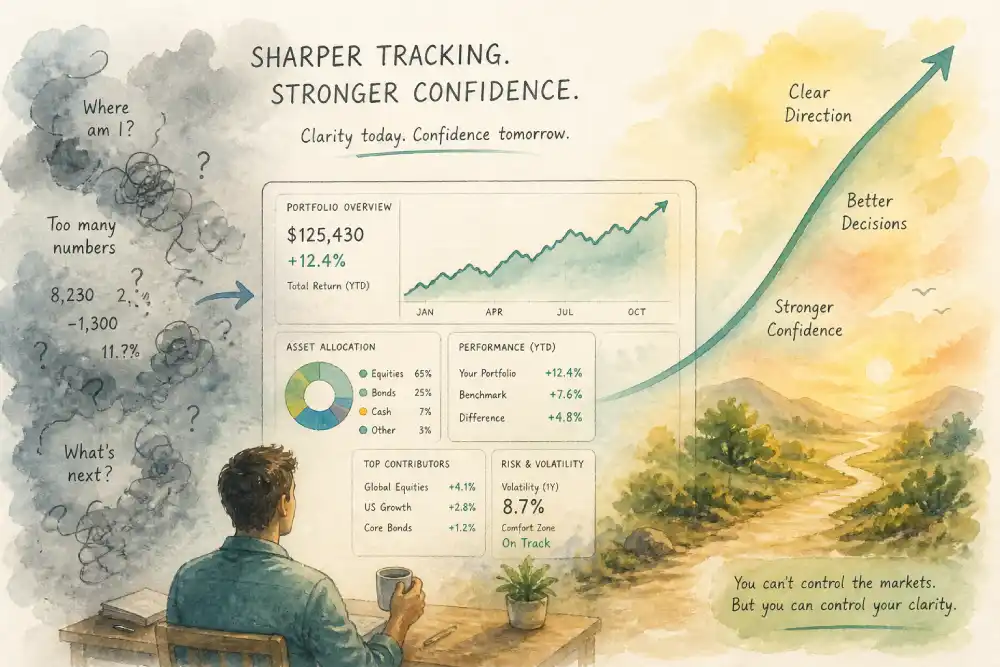
Moreover, keeping tabs on your progress—rather than obsessing over daily returns—can boost your confidence and help you avoid emotional mistakes. For more on this, see What Sharper Tracking Does to Investor Confidence.
Putting It All Together
Return is important, but it’s only part of the investing equation. Progress is about whether you’re moving toward your real-life goals, factoring in your actions, timing, and unique journey. By focusing on both, you’ll have a clearer, more honest picture of your investment success—and make decisions that truly serve your future.
If you’re interested in why so many investors misjudge their own results, you might also enjoy Why Investors Overestimate Their Returns.