When you set up your investment portfolio, you likely spent time deciding how much to allocate to stocks, bonds, cash, and perhaps other assets. That mix—your asset allocation—is the foundation of your investment strategy. But if you check your allocation chart a year or two later, you’ll probably notice your carefully chosen percentages have shifted. This drift isn’t a sign of neglect or a personal mistake. It’s a natural result of how markets behave over time.
What Is Allocation Drift?
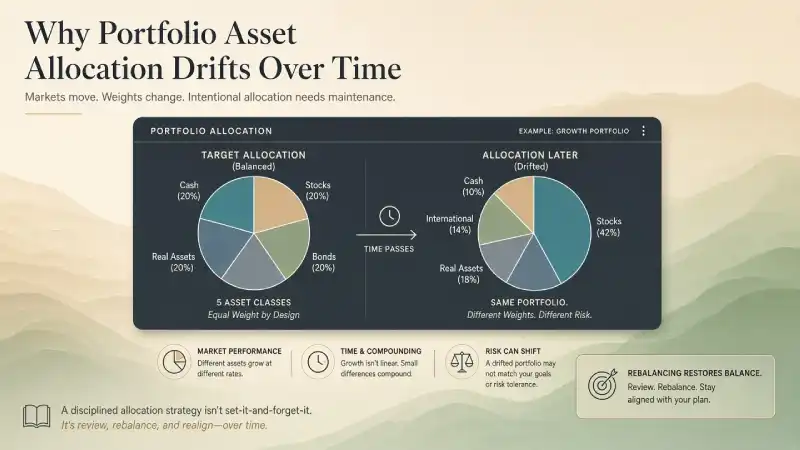
Allocation drift refers to the gradual shift in your portfolio’s asset mix as different investments grow at different rates. For example, if stocks outperform bonds, your stock allocation will increase, even if you haven’t bought or sold anything. Over months or years, these small changes can add up, leaving your portfolio looking very different from your original plan.
Why Does Drift Happen?
The main driver behind allocation drift is that asset classes rarely move in sync. Stocks, bonds, real estate, and cash all have their own risk and return profiles. In strong equity markets, stocks might surge while bonds remain steady. In a downturn, stocks could fall while bonds or cash hold their value. As a result, your portfolio’s proportions change as each asset class experiences its own performance journey.
Market events, such as economic cycles or shifts in interest rates, can accelerate this process. Even factors like inflation quietly changing your allocation play a role, subtly altering the real value of your holdings over time.
Real-World Examples of Drift
- Bull Markets: Suppose you start with 60% stocks and 40% bonds. If stocks rally for several years, your stock allocation might climb to 75% or more, increasing your portfolio’s risk profile without any action on your part.
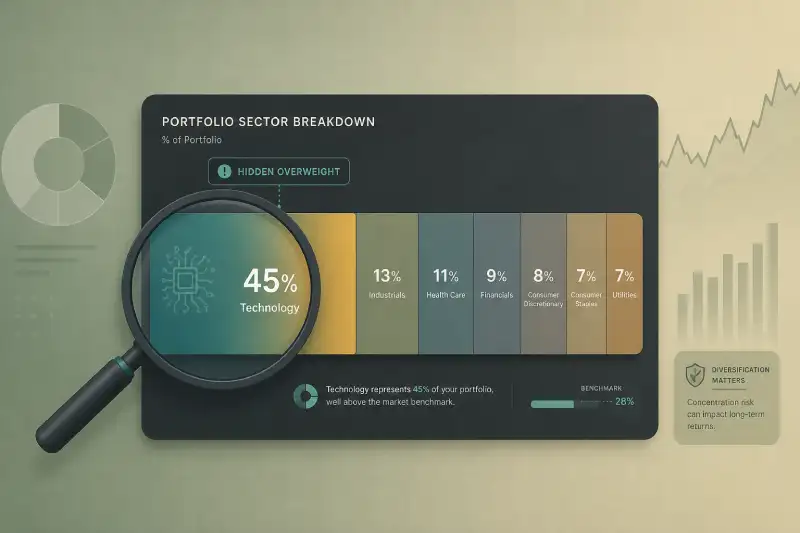
- “Hero” Stocks: Sometimes, a single stock dramatically outperforms the rest. As explored in The Danger of One “Hero” Stock, this can leave you overexposed to one company or sector, undermining your diversification strategy.
- Global Factors: If you hold international assets, differences in trading hours for global portfolios and currency movements can also cause allocations to shift unexpectedly.
Why Does Drift Matter?
Letting your allocation drift unchecked can have real consequences. If riskier assets grow to dominate your portfolio, your risk level increases, potentially exposing you to bigger losses in a downturn. Conversely, if safer assets take over, you might miss out on growth opportunities. Over time, your portfolio may no longer match your goals, time horizon, or comfort with risk.
This is why understanding what your allocation chart is trying to tell you is crucial. Regularly reviewing your portfolio helps ensure your investments still align with your strategy and risk tolerance.
How Can You Manage Allocation Drift?
The most common way to manage drift is through rebalancing—periodically buying or selling assets to restore your target allocation. Some investors rebalance on a set schedule (such as annually), while others do so when allocations move beyond certain thresholds. There’s no one-size-fits-all answer; the best approach depends on your goals, tax situation, and investment style.
Another important step is to build a portfolio that matches your risk tolerance from the start. As discussed in Building a Portfolio You Can Sleep With, a solid foundation makes it easier to stick to your plan—even as your allocation shifts over time.
Drift Is Inevitable—But Not Unmanageable
Allocation drift is a normal part of investing. It’s a sign that markets are doing what they do best: moving unpredictably and rewarding different assets at different times. The key is to recognize drift early and take action when needed—whether that means rebalancing, reassessing your goals, or simply understanding why your portfolio looks different than it did a year ago.
If you’re ready to move from reacting to market swings to following a deliberate plan, you might find our article From Random Picks to Real Strategy helpful as your next read.