Sharper portfolio tracking tools have changed how investors see their own performance. But what does that new clarity do to investor confidence—does it build it, or break it?
The Confidence Illusion: Why We Feel Smarter Than We Are
For decades, most investors relied on scattered spreadsheets or simple brokerage statements to gauge their progress. These methods often left major gaps in understanding, allowing optimism and selective memory to fill in the blanks. Behavioral finance research shows that when data is vague, people tend to overestimate their own abilities and returns. It's a phenomenon explored in detail in Why Investors Overestimate Their Returns.
Sharper Tracking: A Double-Edged Sword
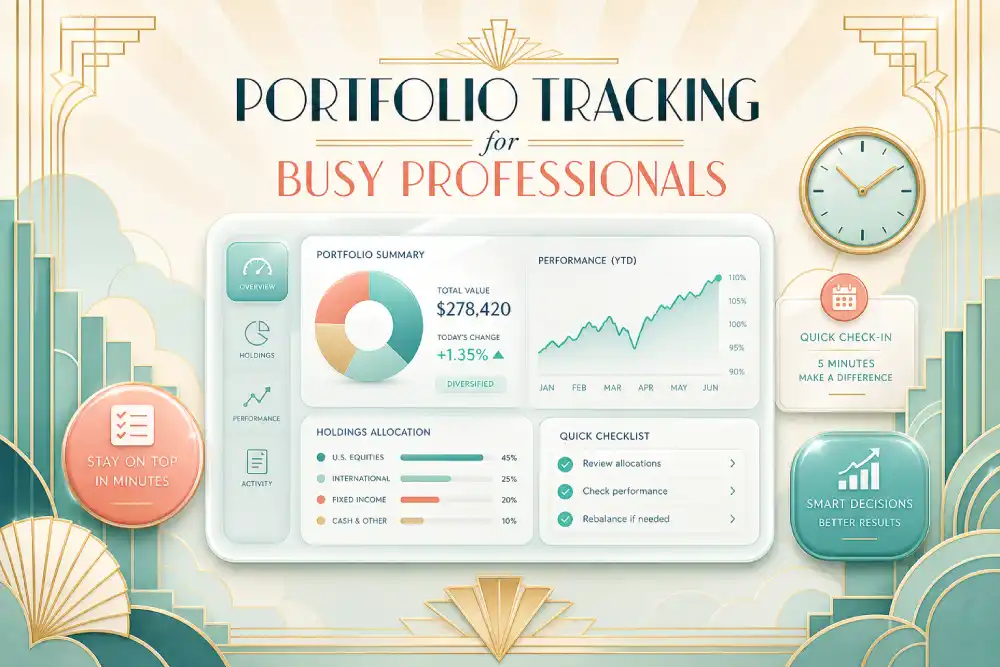
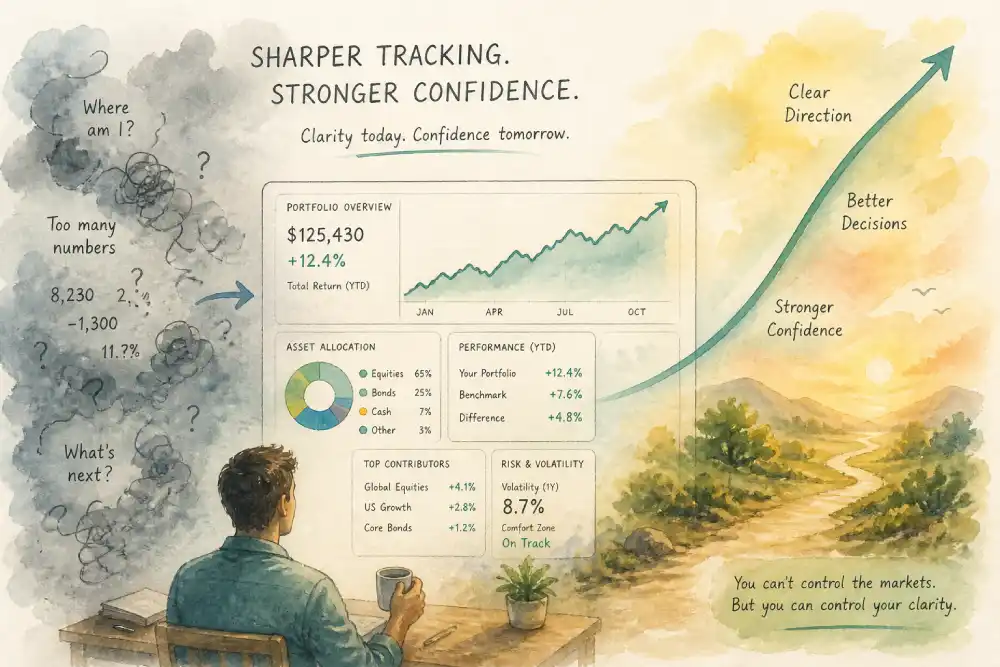
Modern portfolio tracking apps promise to close those gaps. They aggregate accounts, use precise benchmarks, and break down returns into time-weighted and money-weighted metrics. This new clarity is empowering—but it can also be jarring. Many investors, after years of assuming they were outperforming, discover the reality is less impressive. As described in Why I Thought I Was Making Money (Until I Checked My Dashboard), the first encounter with accurate performance data can be a humbling experience.
How Data Shapes Confidence
Sharper tracking impacts confidence in several ways:
- Reality Check: Clear data dispels illusions. For some, this causes a dip in confidence, especially if results lag expectations or benchmarks.
- Learning Opportunity: Honest feedback can motivate investors to learn more, refine their strategies, and avoid repeating mistakes. Accurate performance analysis helps investors understand what actually drives their results.
- Reduced Regret: When investors see exactly how their decisions played out, they're less likely to blame bad luck or vague circumstances. This can help build a more resilient, realistic confidence over time.
The Risks of Over-Precision
However, not all effects are positive. Sharper tracking can also introduce new anxieties:
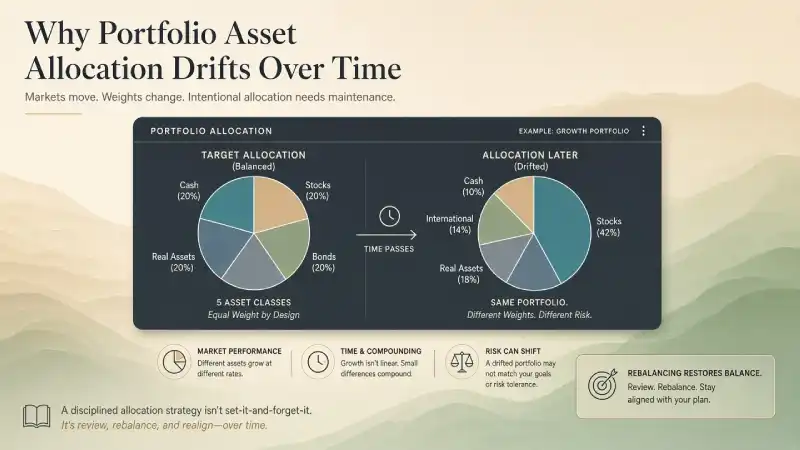
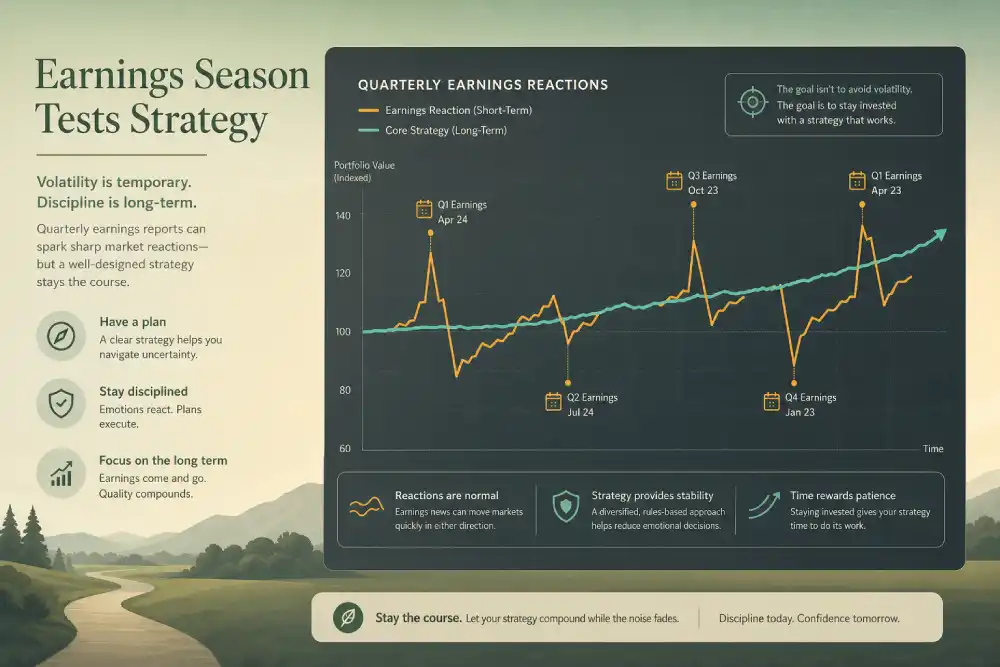
- Short-Term Focus: Daily updates and granular charts may tempt investors to obsess over short-term swings, leading to unnecessary stress or impulsive decisions.
- Analysis Paralysis: With more data comes the risk of overanalyzing every move, which can undermine confidence and make decision-making harder.
Striking a balance is key—using data to inform, not overwhelm. Learning how to read your performance graph correctly can help investors focus on the long-term trends that matter most.
How to Use Sharper Tracking to Build Smarter Confidence
To harness the benefits of precise portfolio tracking without falling into new traps, consider these strategies:
- Focus on Process, Not Just Outcomes: Use data to evaluate your decision-making process, not just the end result. This helps you build confidence in your approach, even if short-term results fluctuate.
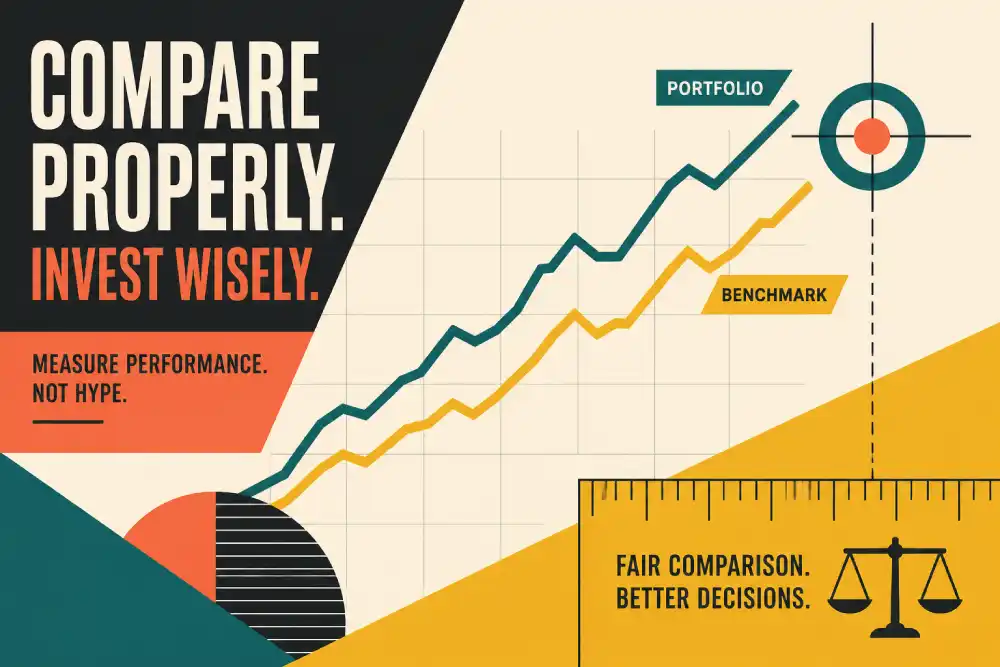
- Benchmark Wisely: Compare your returns to relevant benchmarks, and understand the difference between time-weighted and money-weighted returns. This gives context to your performance and helps avoid unfair self-criticism.
- Set Realistic Expectations: Use precise tracking to calibrate your goals based on your actual risk tolerance and historical performance, not on wishful thinking.
- Review, Don’t Obsess: Schedule regular check-ins rather than daily monitoring. This supports a long-term mindset and prevents emotional overreactions.
Sharper Tracking, Sharper Investors
Ultimately, sharper portfolio tracking doesn’t guarantee higher confidence—but it does offer the raw material for building a more resilient, informed self-belief. The key is using the data as a tool for growth, not as a source of self-doubt or anxiety. As investors learn to interpret their results more accurately, they’re better equipped to make decisions that fit their goals and temperament.
If you’re curious about how tracking tools can change your investing experience, you might also compare Marketlog vs Yahoo Finance Portfolio to see what sharper tracking looks like in practice.