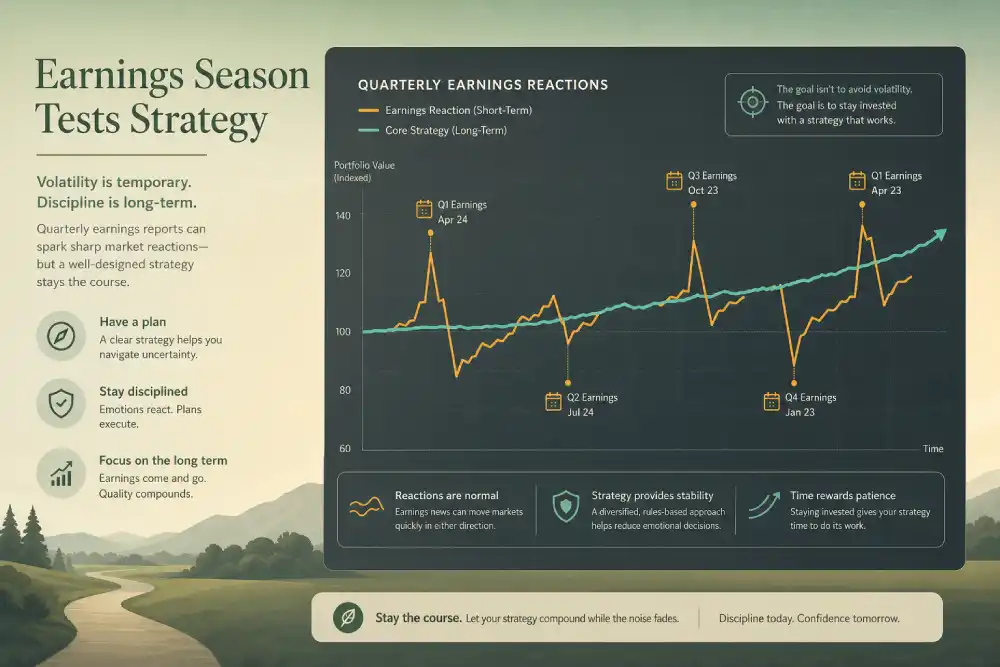
Earnings season arrives like clockwork, but every time it does, the market seems to forget its own script. Even the most seasoned investors can feel their strategies tested as companies report results, guidance, and surprises—both pleasant and unpleasant. If you’ve ever watched your portfolio swing wildly after a single earnings announcement, you know how unsettling this period can be. But what does earnings season really reveal about your investment strategy, and how should you respond?
Why Earnings Season Feels So Volatile
During earnings season, companies disclose their quarterly financial results, and the market reacts—sometimes rationally, often emotionally. A company might beat expectations and still see its stock price drop; another might miss estimates yet rally on optimistic guidance. This unpredictability can make even the most carefully constructed portfolio feel unstable.
It’s not just the numbers themselves, but the narratives and expectations swirling around them that drive volatility. If you find yourself glued to your screen as prices jump after hours, you’re not alone. Understanding What After-Hours Trading Means for Your Portfolio can help put these moves in perspective, as much of the action happens when regular trading is closed and liquidity is thin.
Testing Your Conviction
Earnings season is a stress test for your investment strategy. If you’re a long-term investor, sudden price moves can tempt you to abandon your plan. But reacting impulsively to short-term volatility often leads to poor decisions. Instead, use this period to revisit the reasons you own each stock. Are the fundamentals intact? Has your thesis changed?
For those who have recently transitioned from picking stocks at random to building a more deliberate approach, these moments can be particularly challenging. The article From Random Picks to Real Strategy explores how to develop conviction and stay the course when headlines are screaming for your attention.
Managing Drawdowns and Emotional Responses
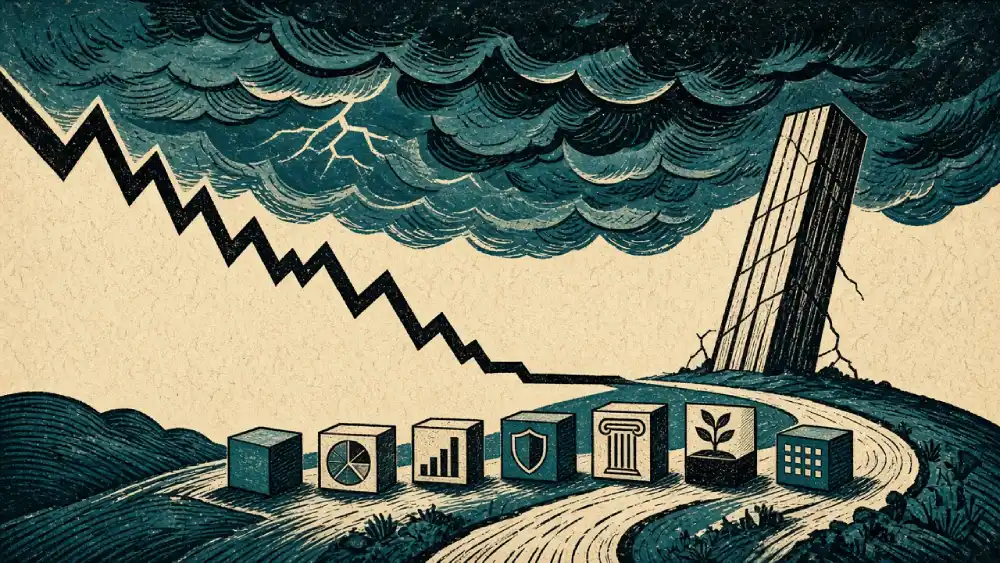
Large swings during earnings season can lead to uncomfortable drawdowns—temporary declines in portfolio value. While these can feel alarming, they are an inevitable part of investing. The key is to distinguish between normal volatility and a true change in a company’s long-term prospects. If you’re struggling to interpret what a drawdown really means for your strategy, What Drawdown Feels Like — and What It Actually Means offers practical insights into risk management and emotional discipline.
Remember, not all losses are realized until you sell. Understanding the difference between Realized vs Unrealized Gains can help you avoid knee-jerk reactions that lock in temporary losses.
Evaluating Your Strategy, Not Just the Headlines
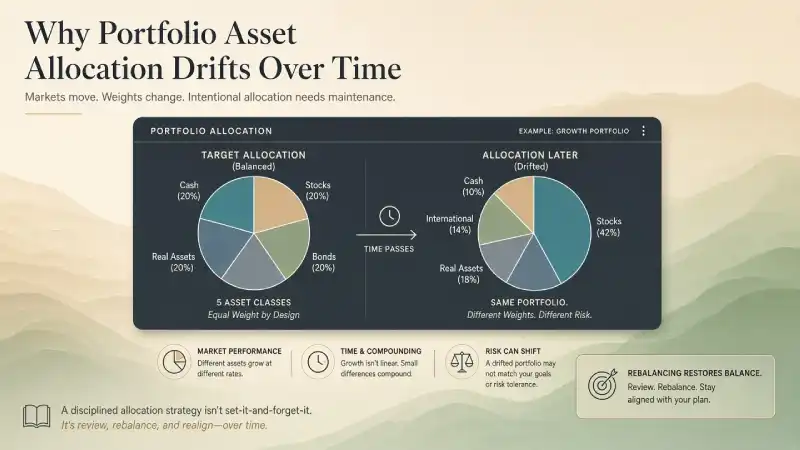
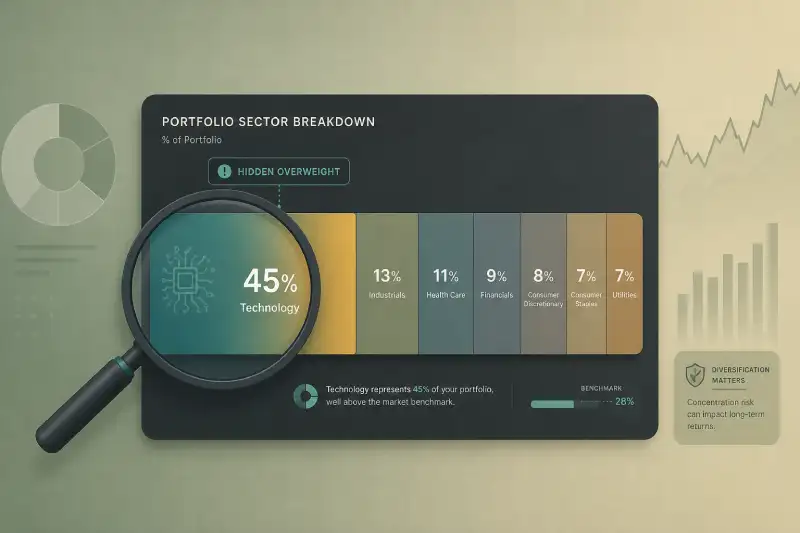
While it’s tempting to focus on individual earnings reports, it’s more productive to assess your overall portfolio management. Are you diversified, or is your performance hinging on a few big bets? Have you set clear rules for when to buy, hold, or sell? Earnings season is an opportunity to review your process, not just your positions.
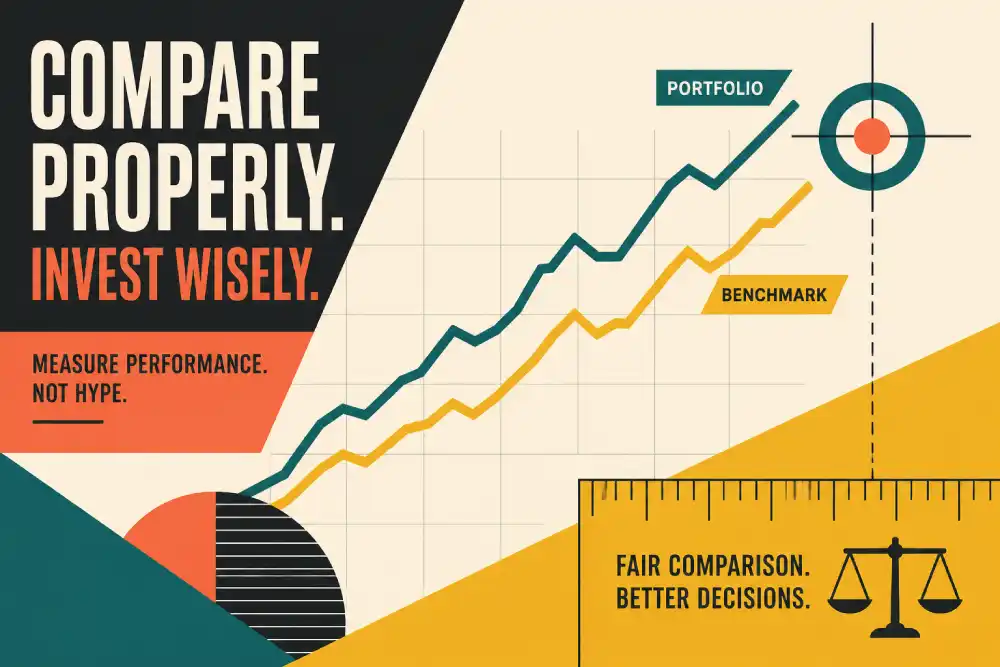
It’s also a good time to consider how your performance stacks up against the broader market. The article The First Time You Compare Yourself to the Market explains how to benchmark your results and avoid common pitfalls in performance analysis.
Turning Volatility Into an Advantage
For disciplined investors, earnings season can be more than just a test—it can be an opportunity. Market overreactions sometimes create attractive entry points for the patient and prepared. By focusing on your strategy and filtering out noise, you can use volatility to your advantage rather than letting it undermine your confidence.
If you’re curious about how market dynamics during trading hours can influence these swings, What Happens to Your Portfolio During Market Hours? provides a deeper look at intraday volatility and its impact on your holdings.
Conclusion: Stay the Course, Refine the Plan
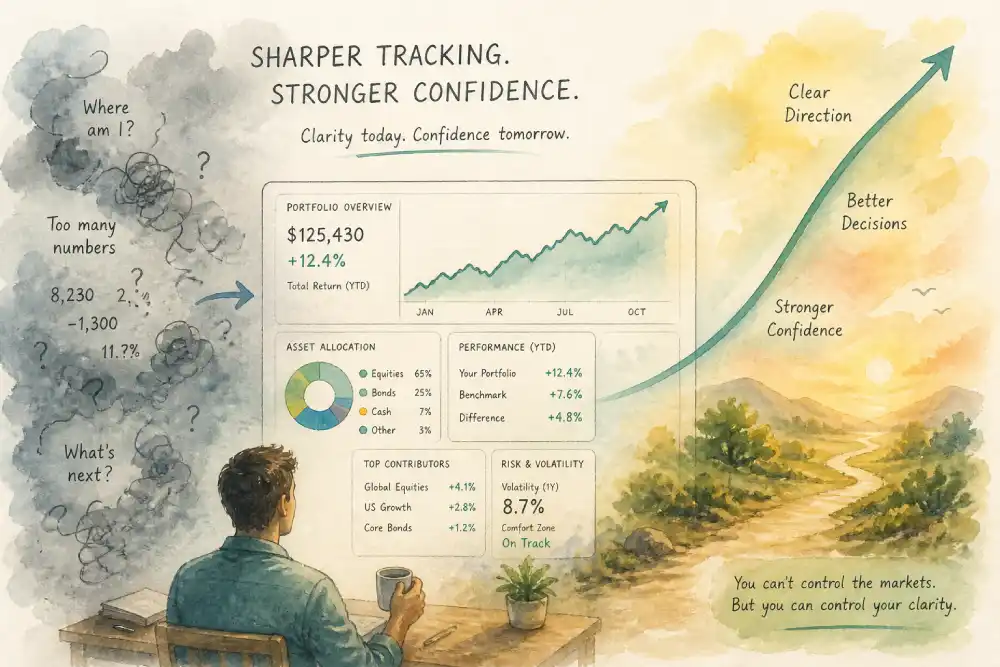
Earnings season will always test your resolve, but it doesn’t have to derail your investment journey. By understanding the sources of volatility, sticking to your process, and reviewing your strategy with a clear head, you can emerge from earnings season with greater confidence and clarity. Use this time not as a reason to panic, but as a chance to refine your approach and become a more resilient investor.