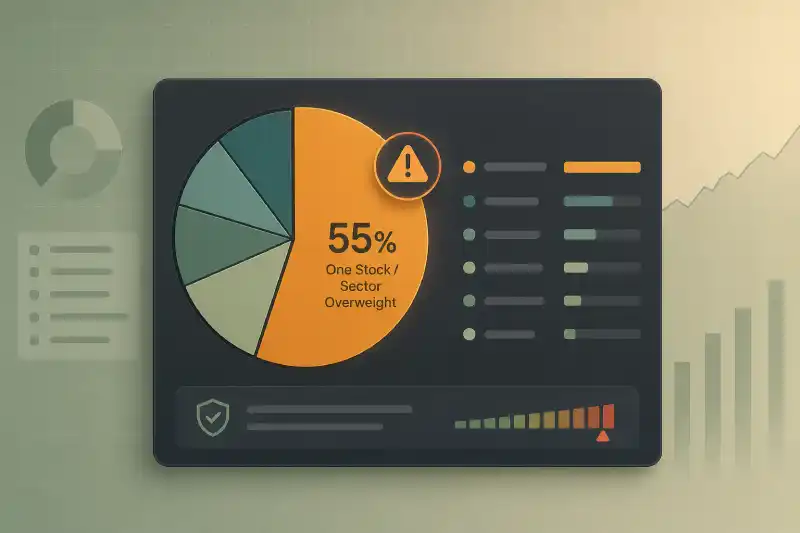
Overexposure is a silent risk. It creeps up when a single asset, sector, or region quietly grows to dominate your portfolio. By the time you notice, it may be too late—the damage from a sudden drop can be swift and severe. But with the right tools and awareness, you can spot overexposure before it turns into regret.
What Is Overexposure?
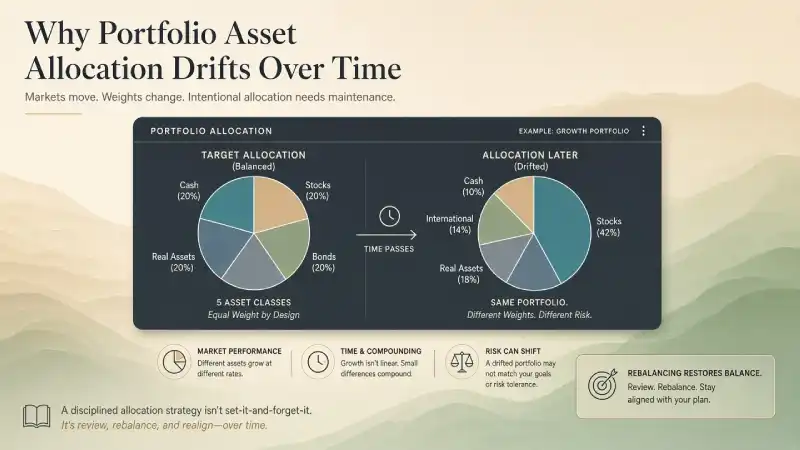
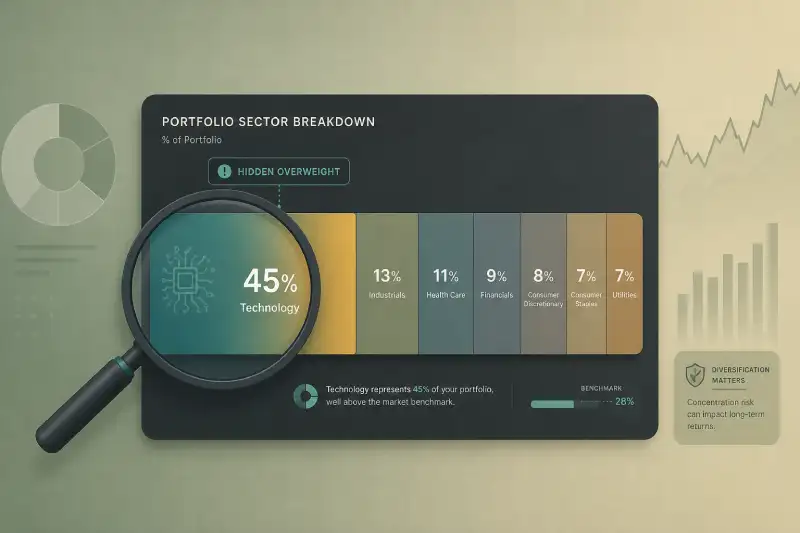
Overexposure occurs when too much of your portfolio’s value is concentrated in one place. This might be a single stock, a specific sector, a geographic region, or even an asset class like equities. It often happens unintentionally, as winners run and laggards shrink, subtly shifting your allocation over time. The result? Increased risk, less diversification, and a portfolio that’s more vulnerable to shocks.
Why Overexposure Matters
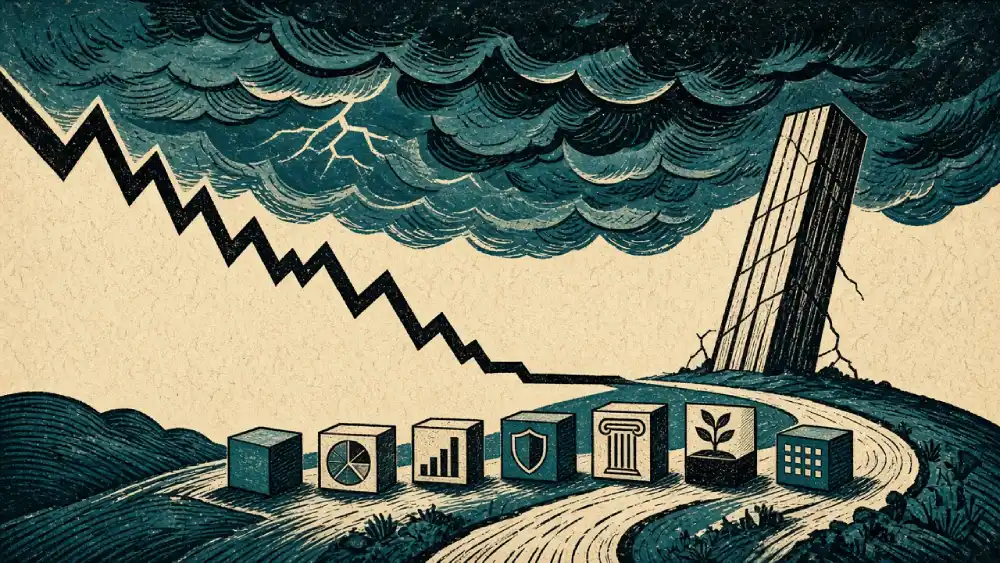
Concentration magnifies both gains and losses. While it’s tempting to let winners ride, a portfolio that leans too heavily on one idea can unravel quickly. The Danger of One “Hero” Stock is a classic example: a single high-flyer can mask underlying risks until a sudden reversal wipes out years of progress. True diversification is your best defense against the unpredictable.
How to Spot Overexposure Early
- Review Portfolio Weights: Regularly check what percentage of your portfolio each holding represents. Seeing these numbers in black and white often reveals surprises. Our article on What “Portfolio Weight” Really Shows About Risk explains why these figures matter more than you might think.
- Use Allocation Charts: Visual tools can make concentration obvious. Pie charts and bar graphs quickly highlight when one slice grows too large. For a deeper dive, see What Your Allocation Chart Is Trying to Tell You about your asset allocation.
- Track Sector and Regional Exposure: Don’t just look at individual stocks. Sometimes, exposure sneaks in through similar sectors or geographies. For example, owning several tech stocks can create a hidden tech overweight.
- Monitor Over Time: Overexposure doesn’t happen overnight. Set a schedule—monthly or quarterly—to review your allocations and spot drift before it becomes a problem.
Common Causes of Overexposure
- Letting Winners Run: A strong performer balloons in size, crowding out the rest of your holdings.
- Neglecting Rebalancing: Without regular adjustments, portfolios naturally drift away from their original targets.
- Falling in Love with a Theme: Concentrating on a hot sector, region, or investment style can leave you exposed if sentiment shifts.
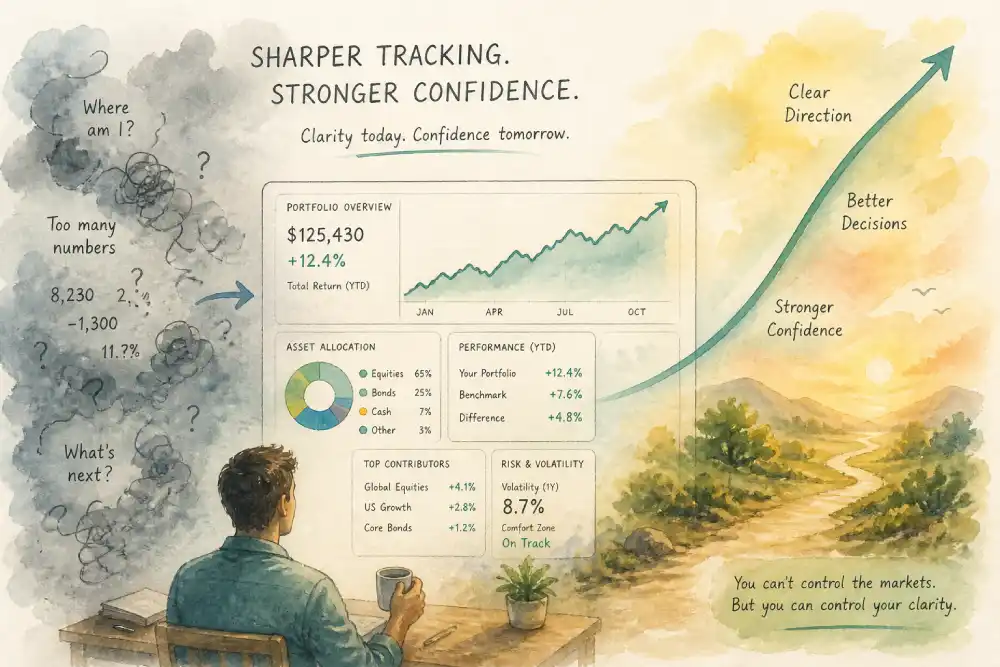
- Lack of Portfolio Tracking: Not keeping tabs on your actual holdings makes it easy for imbalances to build unnoticed. Regular portfolio tracking is crucial for catching these issues early.
What to Do If You Spot Overexposure
Recognizing concentration risk is the first step. The next is deciding how to address it:
- Rebalance: Trim back overweight positions and reinvest in underrepresented areas. This restores your intended diversification.
- Set Maximum Weights: Define limits for individual stocks or sectors. For example, no single holding exceeds 10% of your portfolio.
- Automate Reviews: Use tools or reminders to prompt regular check-ins. Consistency is key to catching drift before it grows.
- Stay Objective: It’s easy to get attached to winners, but risk management should always guide your decisions. For strategies to help you sleep well at night, see Building a Portfolio You Can Sleep With.
The Bottom Line
Overexposure is a risk you can’t afford to ignore. It rarely announces itself, but the warning signs are there for those willing to look. By tracking your allocations, using visual tools, and sticking to a disciplined review process, you can keep your portfolio balanced and resilient—no matter what the markets throw at you.
If you’re curious how overexposure can turn small mistakes into big losses, you may also want to read What Drawdown Feels Like — and What It Actually Means.