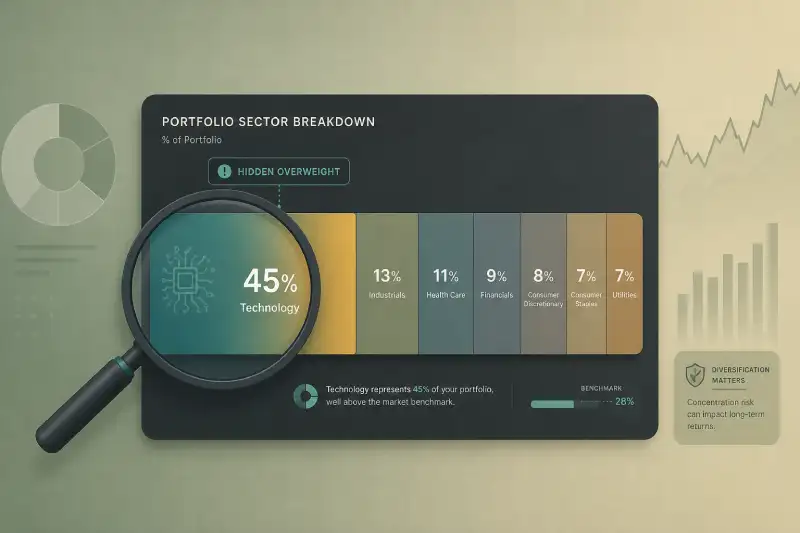
When you think about your investment portfolio, you might picture a carefully balanced mix of stocks, bonds, and maybe a few alternative assets. But beneath the surface, there’s a good chance one sector is quietly dominating your holdings—often without you even realizing it. This silent overweight can shape your returns, increase your risk, and leave you unexpectedly vulnerable. Let’s uncover why this happens, how to spot it, and what you can do to regain control.
Why Sector Imbalances Happen—Even in “Diversified” Portfolios
It’s easy to assume that holding a handful of mutual funds or ETFs guarantees diversification. Yet, many funds—especially those tracking broad market indexes—are themselves heavily concentrated in certain sectors. For example, in recent years, technology stocks have made up more than a quarter of the S&P 500’s total value. If you own a popular S&P 500 ETF, plus a few “growth” or “innovation” funds, you might be doubling down on tech exposure without realizing it.
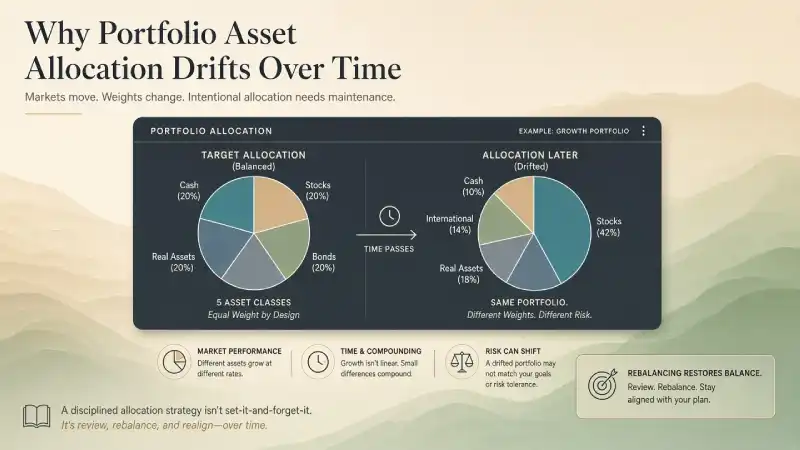
Even seemingly unrelated funds can have overlapping sector bets. This overlap is amplified as certain sectors outperform and their weights grow within index funds, quietly shifting your asset allocation over time.
The Risks of Unintentional Sector Concentration
When one sector dominates your portfolio, your risk profile changes. A tech-heavy portfolio, for instance, may soar in bull markets but plummet if regulatory threats or sector rotations hit. This isn’t just about volatility—it’s about exposure to specific economic shocks. If your job or local economy is also tied to that sector, your financial vulnerability multiplies.
Sector concentration can also create the illusion of diversification. You might own 20 different stocks, but if 15 are in healthcare, your fate is still tied to a single industry’s fortunes. This is why understanding how to spot overexposure before it hurts is vital for effective risk management.
How to Diagnose Your True Sector Exposure
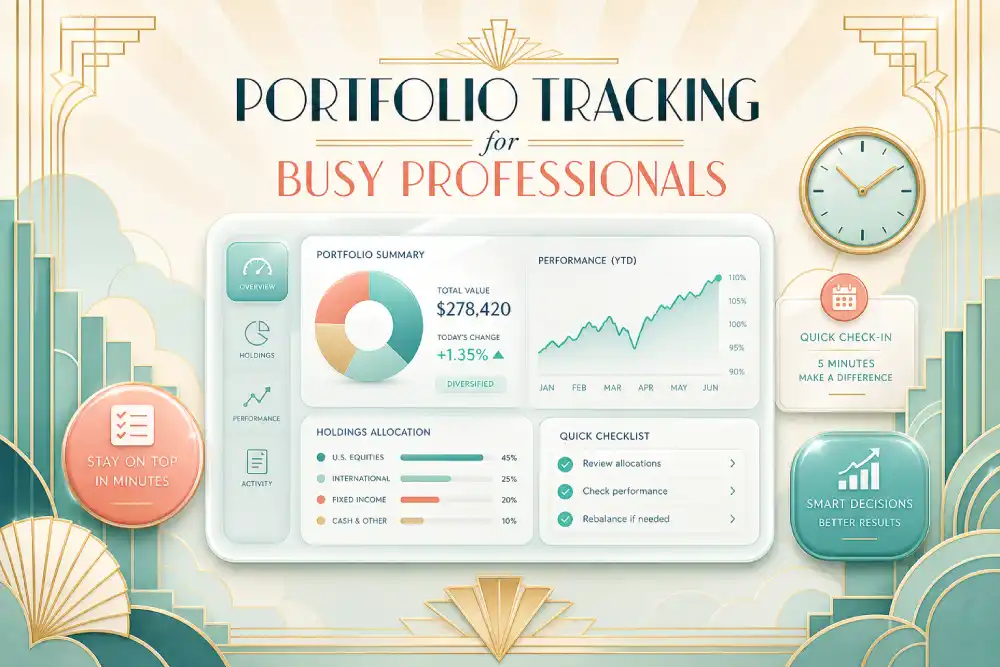
Start by listing your holdings and categorizing each by sector—most brokerages and portfolio tracking tools can help. Look past ticker symbols and fund names; dig into the actual sector breakdowns of your ETFs and mutual funds. Add up your total dollar exposure to each sector, not just the number of holdings.
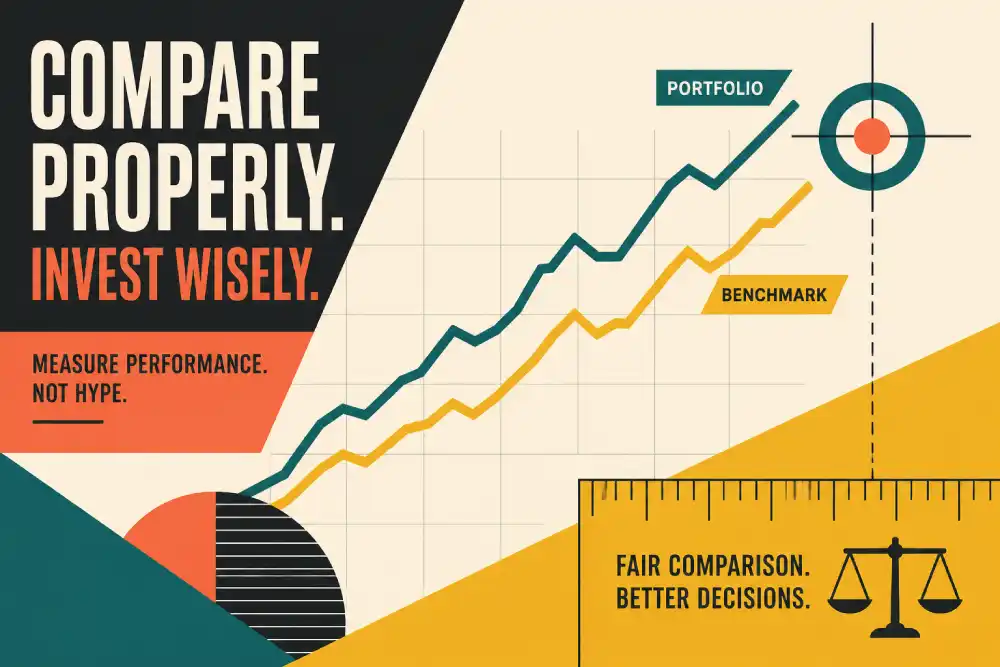
Compare your allocations to a broad market benchmark. Are you significantly overweight in technology, financials, or energy? Sometimes, the culprit isn’t an obvious “hero” stock but rather a handful of funds with similar sector tilts. For more on the pitfalls of concentrated bets, see The Danger of One “Hero” Stock.
Why This Matters for Your Long-Term Success
Sector imbalances can distort your portfolio’s risk and return profile. Outperformance in one sector can mask weaknesses elsewhere, leading to overconfidence. But when leadership rotates—as it inevitably does—those hidden risks become painfully clear. A truly resilient portfolio is built to weather storms in any one sector, not just ride the latest wave.
Rebalancing is the key. By trimming overweight sectors and adding to laggards, you maintain your desired risk profile and avoid chasing past winners. This discipline is at the heart of building a portfolio you can sleep with.
Practical Steps to Regain Control
- Audit your portfolio’s sector breakdown at least annually.
- Check for overlap between funds—don’t assume different names mean different exposures.
- Set target sector allocations that match your risk tolerance and investment goals.
- Rebalance regularly to correct drift caused by market moves or new contributions.
- Consider your total financial picture—including your job, geography, and other assets—when assessing sector risk.
Conclusion: Don’t Let Hidden Concentrations Dictate Your Future
Most investors discover their true sector exposure only after it hurts them. By taking a proactive approach, you can avoid the shock of unexpected losses and build a portfolio that aligns with your goals—not just the market’s latest trends. Remember, effective risk management is about seeing the whole picture, not just the headlines.
For further reading on how subtle shifts can impact your portfolio, see When Inflation Quietly Changes Your Allocation.