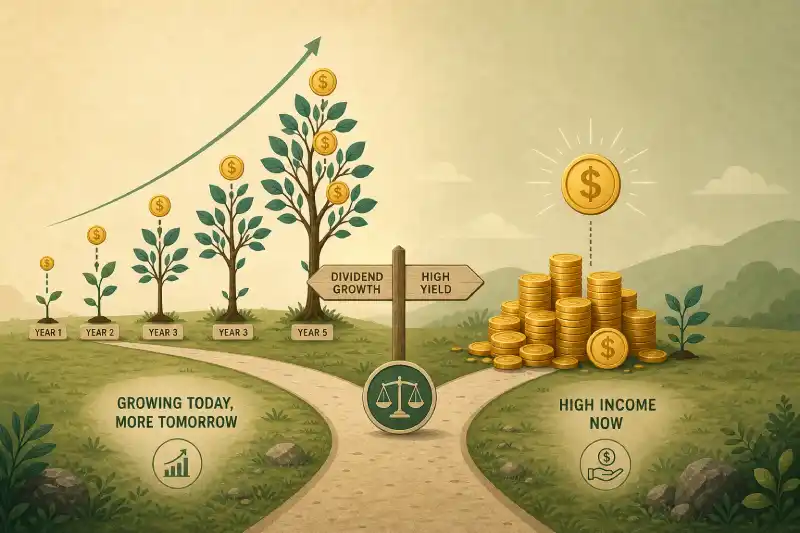
Dividend investing offers two enticing paths: chasing stocks with high yields or focusing on those with a steady record of dividend growth. On paper, both strategies promise passive income, but the reality is more nuanced. Understanding what you’re really choosing between dividend growth and high yield is essential for building a portfolio that aligns with your goals, risk tolerance, and time horizon.
What Is Dividend Growth?
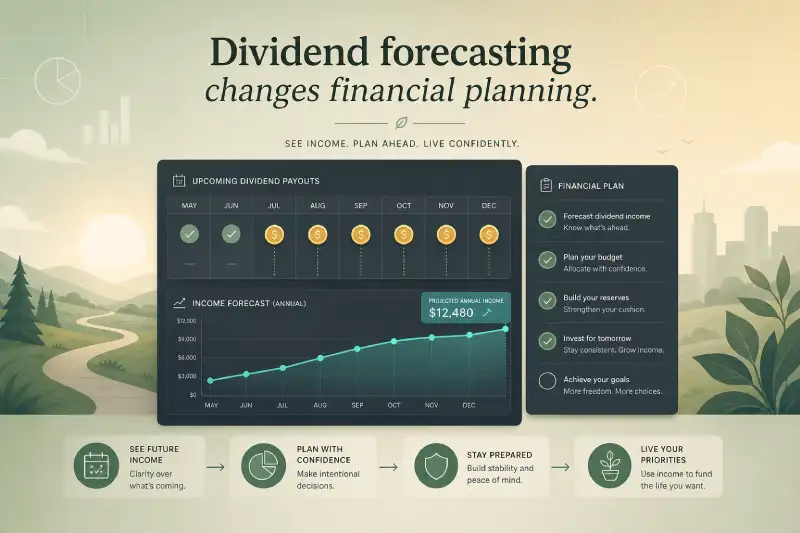
Dividend growth investing centers on companies that consistently increase their dividends year after year. These are often established businesses with stable earnings and a commitment to rewarding shareholders. While their current yields may not be eye-catching, their ability to raise payouts—even modestly—compounds over time, enhancing your income and potentially your total returns.
Think of dividend growth as planting a tree: the shade (income) gets broader with each passing year. This approach is especially powerful when combined with reinvestment, as explored in The Silent Power of Reinvested Dividends.
What Is High Yield?
High yield investing, on the other hand, seeks out companies offering above-average dividend payouts right now. These stocks can provide significant income upfront, which is appealing for those looking to supplement cash flow in the short term. However, high yields often come with strings attached—such as slower growth, higher payout ratios, or underlying business risks.
It’s important to look beyond the headline number. For a practical breakdown, see Understanding Dividend Yield Without Overthinking It.
Comparing the Trade-Offs
- Stability vs. Immediate Income: Dividend growth stocks may offer less income today, but their rising payouts can outpace inflation and market downturns over time. High yield stocks deliver more cash now, but their payouts may be less reliable if the underlying business falters.
- Risk Profile: Companies with high yields often carry higher risk—whether due to sector headwinds, declining earnings, or unsustainable payout ratios. Dividend growth stocks, by contrast, typically have stronger balance sheets and a history of weathering economic cycles.
- Total Return Potential: While high yield stocks can juice short-term returns, dividend growth stocks may outperform over the long run through a combination of rising dividends and capital appreciation. This compounding effect is a cornerstone of successful long-term investing.
Common Pitfalls and How to Avoid Them
Chasing yield can be tempting, but it’s easy to fall into traps. Sometimes, a high yield is a warning sign—a company in trouble or a dividend at risk of being cut. It’s wise to scrutinize payout ratios, debt levels, and the sustainability of a company’s earnings before committing. For more on this, When Dividend Income Looks Better Than It Is offers a cautionary perspective.
On the other hand, exclusively seeking dividend growth may mean missing out on legitimate opportunities for higher income, especially if your investment horizon is shorter or you need cash flow sooner rather than later.
How to Decide: Key Questions
- What is your investment time frame? If you have decades ahead, dividend growth can be a powerful compounding engine. If you need income now, high yield may be more appropriate—but be mindful of the risks.
- How much risk are you willing to take? High yield stocks often come with greater volatility and the possibility of dividend cuts. Are you comfortable with that trade-off?
- Do you plan to reinvest dividends? Reinvesting can supercharge the benefits of dividend growth, while high yield may be best for those withdrawing income.
- Is diversification built into your portfolio? Relying too much on either strategy can expose you to sector or company-specific risks. Blending both approaches, and considering your risk management strategy, can help smooth the ride.
Putting It All Together
There’s no universal answer—dividend growth and high yield each have a place, depending on your goals. Many successful investors blend the two, using dividend growth stocks for long-term compounding and high yield positions for immediate income. The key is to understand what you’re really choosing: stability and future growth, or higher current payouts with added risk.
As always, pay attention to the details. Review Dividend Dates Explained Without Confusion to ensure you know when you’re actually eligible for payouts, and remember that a thoughtful, diversified approach is the best way to build lasting wealth.