How Market Volatility Changes Investor Behavior
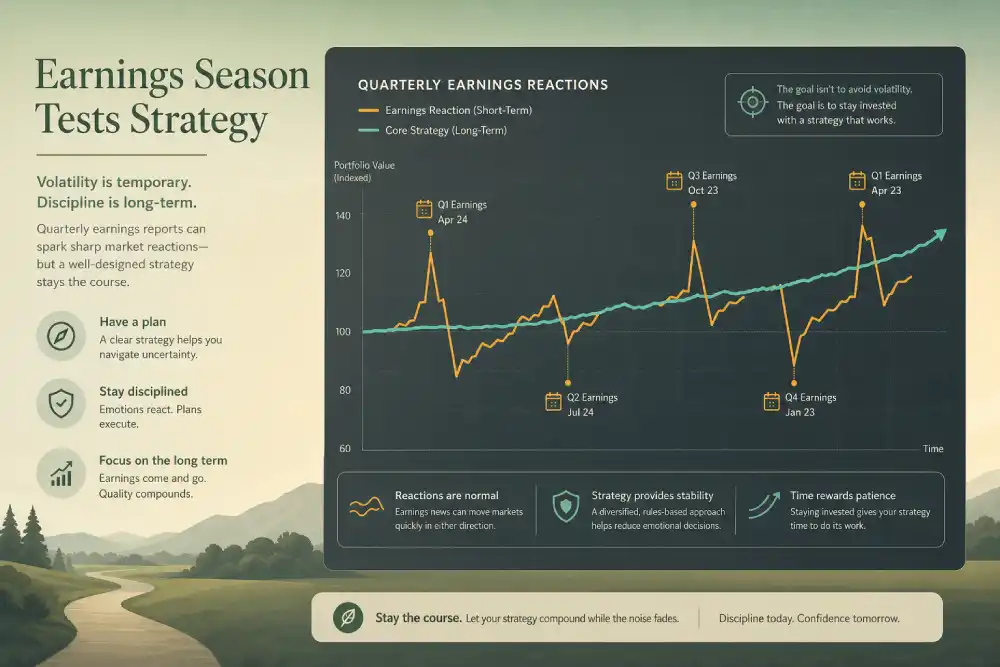
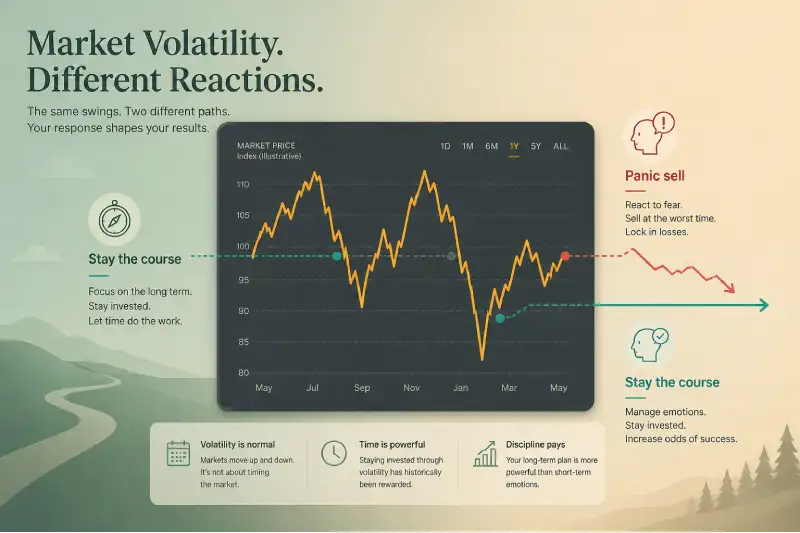
Market volatility can be unsettling, even for seasoned investors. Sudden swings in prices, headlines about economic uncertainty, and unpredictable events all contribute to an environment where emotions often run high. But what exactly happens to investor behavior when markets become turbulent—and why does it matter for your long-term investing success?
Understanding Market Volatility
Volatility refers to the degree of variation in asset prices over time. While some level of volatility is normal and healthy for markets, periods of heightened volatility can trigger significant behavioral shifts among investors. These shifts are deeply rooted in human psychology and can impact decision-making in ways that are not always rational or beneficial.
The Emotional Roller Coaster
When markets fluctuate rapidly, investors often experience a range of emotions—fear, anxiety, and sometimes even excitement. Behavioral finance research shows that people are more sensitive to losses than to gains, a phenomenon known as loss aversion. This can lead to impulsive decisions, such as selling investments during a downturn to "stop the bleeding," even when a more measured approach might be wiser.
The urge to check your portfolio more frequently during volatile periods is common. However, as explored in The Psychology of Checking Your Portfolio Too Often, this habit can actually increase stress and the likelihood of making emotional trades.
Common Behavioral Biases in Volatile Markets
- Panic Selling: Fear-driven selling can lock in losses and derail long-term plans.
- Chasing Performance: Investors may jump into assets that have recently performed well, only to buy high and risk future losses.
- Overconfidence: Some may believe they can time the market, but frequent trading often leads to worse outcomes.
- Confirmation Bias: Investors seek out information that supports their existing beliefs, ignoring contrary evidence.
These biases can be amplified by the constant stream of market news and the temptation to react in real time, especially with the rise of after-hours trading. If you’re curious about how trading outside of regular hours can affect your portfolio, see What After-Hours Trading Means for Your Portfolio.
Portfolio Tracking and Perception
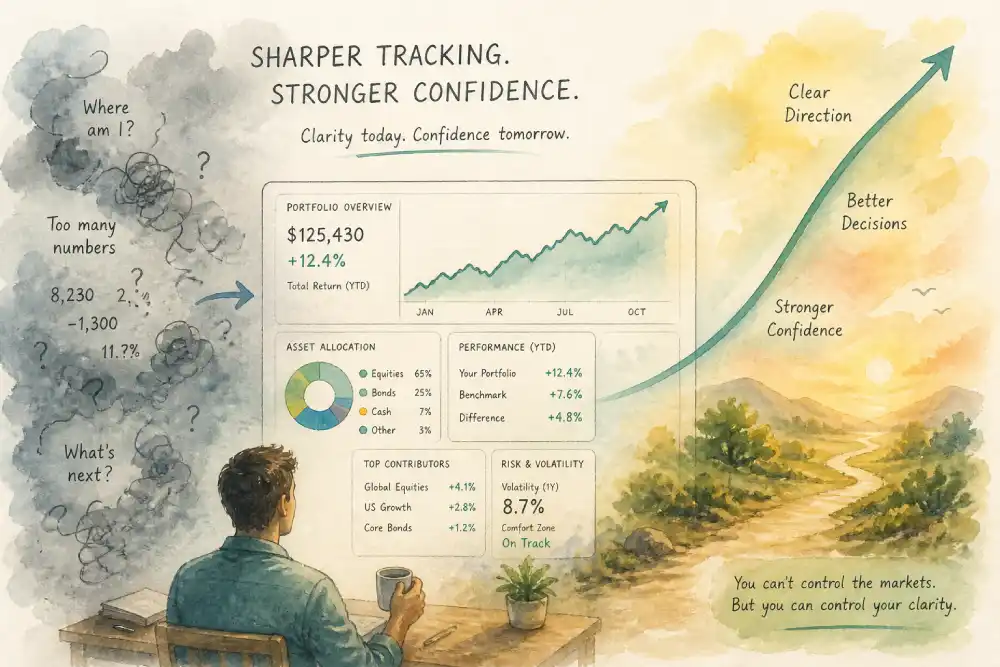
During volatile periods, many investors scrutinize their portfolios more closely. This increased attention can distort perceptions of performance and risk. For example, short-term losses might feel more significant than they actually are in the context of a long-term plan. This is why so many investors misread their own returns, as discussed in Why Most Investors Misread Their Own Returns.
Being aware of how you interpret your portfolio’s results can help you avoid knee-jerk reactions and stay focused on your goals. For a personal perspective on how perception can differ from reality, consider reading Why I Thought I Was Making Money (Until I Checked My Dashboard).
Adapting Your Strategy During Turbulence
While it’s natural to feel uneasy during volatile markets, the best course of action is often to revisit your investment plan rather than overhaul it. Consider the following steps:
- Review your risk tolerance: Are you still comfortable with your current asset allocation?
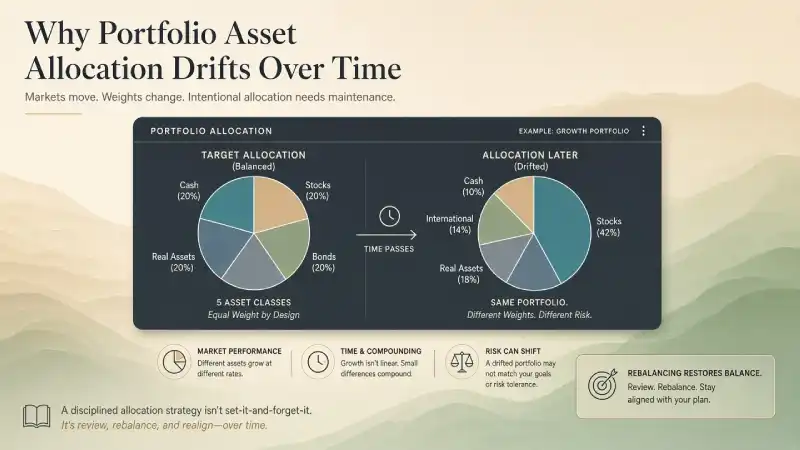
- Rebalance, don’t react: Adjust your portfolio if it has drifted away from your target allocation, but avoid making changes based solely on recent market moves.
- Focus on the long term: Remember that volatility is a normal part of investing, and short-term swings rarely impact long-term outcomes if you stay disciplined.
- Manage expectations: Accept that periods of negative returns are inevitable, and plan for them in advance.
Inflation and other external factors can also quietly impact your allocation and risk profile, even if you’re not actively trading. For more on this, see When Inflation Quietly Changes Your Allocation.
Building Resilience Against Volatility
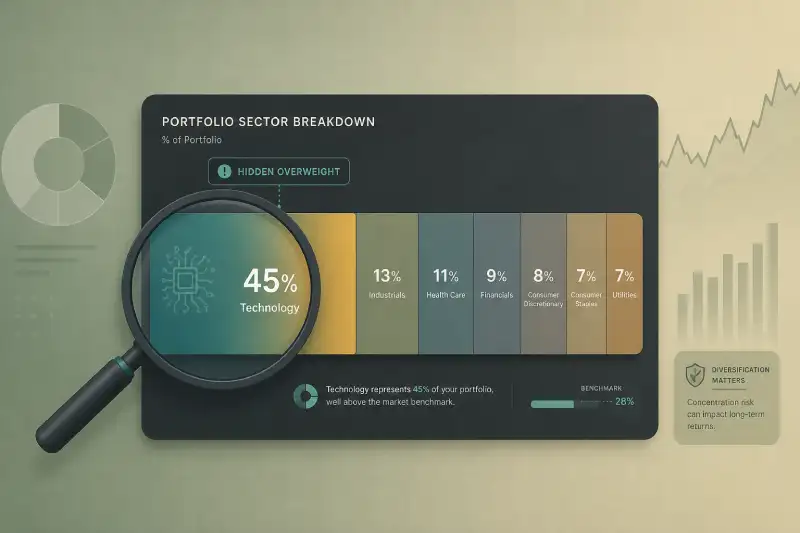
Developing resilience as an investor means preparing mentally and structurally for volatile periods. This involves understanding your own behavioral tendencies, setting clear rules for when and how to make changes, and maintaining a diversified portfolio that matches your risk tolerance. Regularly reviewing your performance with a critical eye—rather than just reacting to headlines—can help you stay on track. If you want to understand how market hours specifically affect your holdings, What Happens to Your Portfolio During Market Hours? provides a useful breakdown.
Final Thoughts
Market volatility is inevitable, but your response to it is within your control. By recognizing the psychological traps that volatility can trigger, and by focusing on your long-term strategy, you can avoid costly mistakes and make more confident decisions—even in turbulent times.